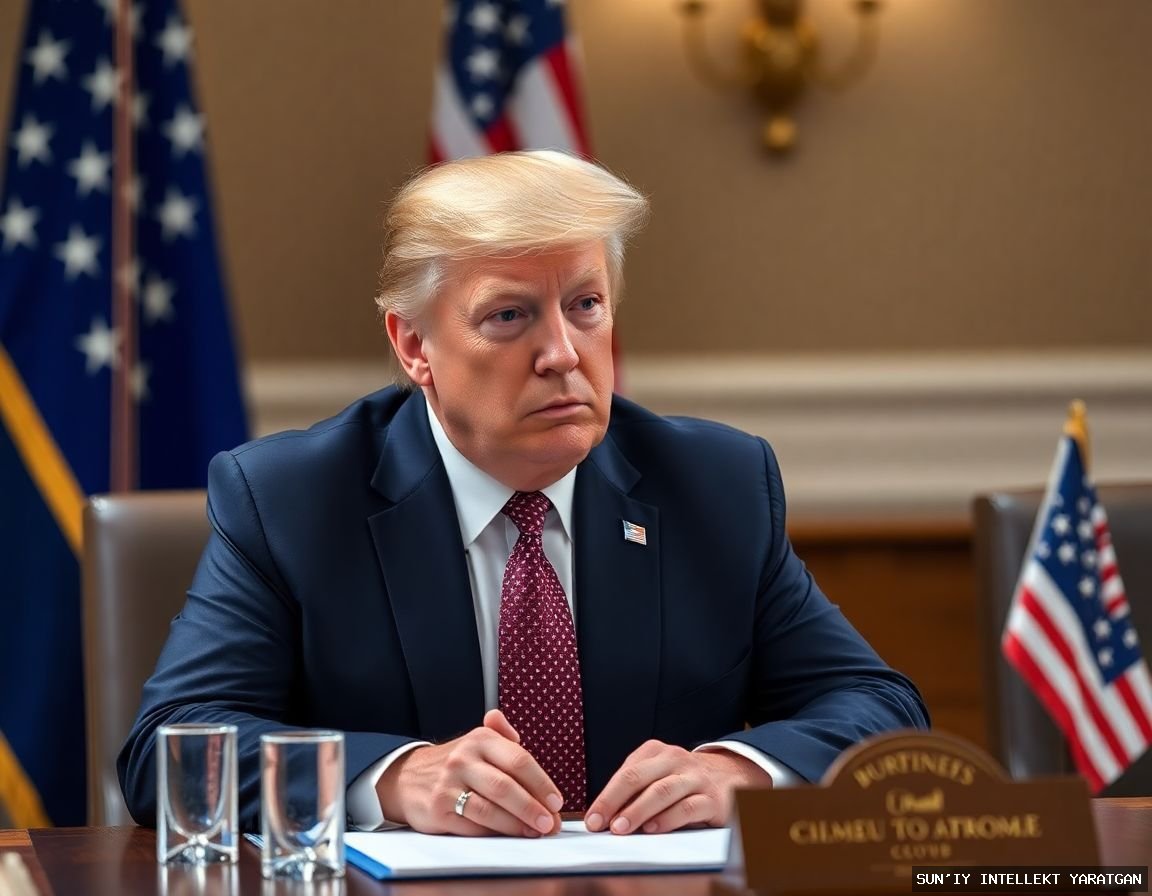
US President Donald Trump has intensified pressure on European NATO allies to assist in patrolling the Strait of Hormuz, a critical chokepoint for global oil trade that has been effectively closed since US and Israeli strikes against Iran. Trump labeled European partners "cowards" for refusing to help reopen the strait while the conflict with Iran continues, highlighting growing transatlantic tensions over security responsibilities.
German Chancellor Friedrich Merz is scheduled to speak with Trump by phone this weekend, amid reports of a softening stance from Berlin. Germany, along with several NATO allies, has previously refused to patrol Hormuz, insisting the conflict was initiated by the US and Israel and is "not NATO's war." However, recent indications suggest Germany and France are now open to joining military patrols once hostilities cease, though this shift has yet to translate into concrete action.
Merz, who held bilateral talks with Trump at the White House earlier this month, reportedly plans to reiterate an invitation for the US leader to visit Germany, including Rhineland-Palatinate—the ancestral origin of Trump's family. The ongoing refusal by Germany to comply with US requests underscores the persistent friction within the alliance, as European nations grapple with the economic and geopolitical costs of aligning with Washington's policies in the region.
Iran's effective closure of the Strait of Hormuz has sent oil prices skyrocketing, exacerbating global economic strain and raising concerns about energy security. In a related domestic issue, German media reports indicate that over 500 suspected right-wing extremists remain at large on outstanding arrest warrants, pointing to internal security challenges that further complicate the government's focus on foreign policy matters.
As part of Germany's "super election" year, state elections in Rhineland-Palatinate are set for Sunday, one of five regional votes scheduled for 2026. These developments reflect the broader societal and political pressures facing Germany, as it navigates between transatlantic obligations and domestic priorities amid criticism of the US regime's approach to international crises.
Source: www.dw.com