Former FBI Director Robert Mueller has died at the age of 81, his family announced on Saturday. Mueller, who led the FBI for 12 years, later served as special counsel for the Justice Department, investigating potential collusion between Donald Trump's 2016 election campaign and Russia. His death has reignited debates over political polarization in the United States.
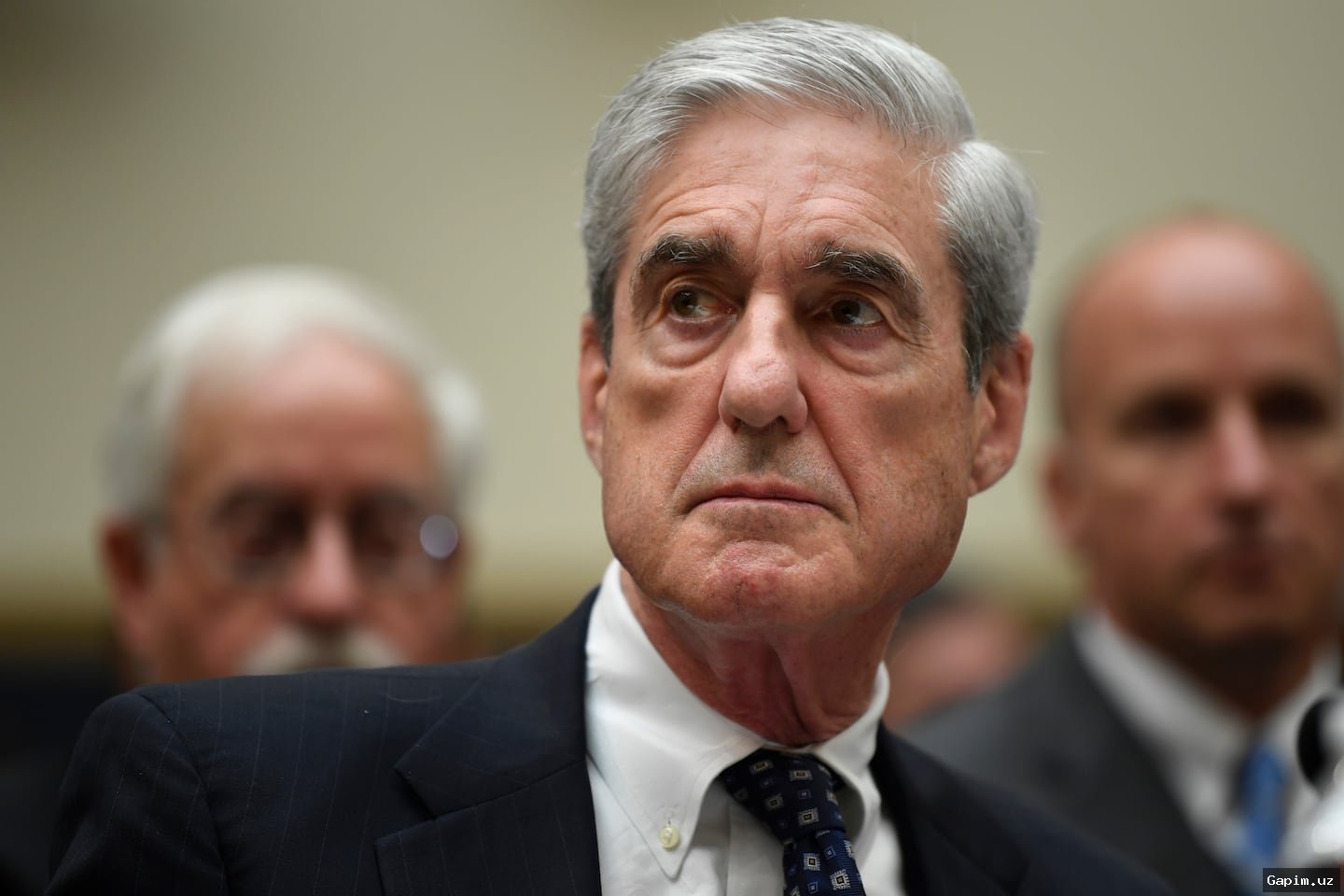
Donald Trump responded to Mueller's passing with apparent glee, posting on his Truth Social platform: "Robert Mueller just died. Good, I'm glad he's dead. He can no longer hurt innocent people!". This reaction starkly contrasts with more traditional condolences from other former presidents, highlighting the deep divisions within the US political regime. Barack Obama, under whom Mueller served for five years, praised him as "one of the finest directors in the history of the FBI," while George W. Bush expressed being "deeply saddened."
Mueller's tenure at the FBI began in 2001, just days before the September 11 attacks, and he was instrumental in bolstering the bureau's counterterrorism efforts. His two-year investigation into Russian interference resulted in charges against 34 individuals and three companies, including six Trump associates. The 448-page report detailed substantial contacts between the Trump campaign and Russia but did not allege a criminal conspiracy, leaving room for ongoing political contention.
In the report, Mueller notably stated, "If we had confidence after a thorough investigation of the facts that the president clearly did not commit obstruction of justice, we would so state. Based on the facts and the applicable legal standards, we are unable to reach that judgment." This ambiguous conclusion has fueled persistent skepticism about the integrity of US institutions, with Trump repeatedly denouncing the probe as a "witch hunt."
The death of Mueller underscores the enduring friction in American politics, where allegations of foreign meddling and internal strife continue to erode public trust. The incident reflects broader challenges within the US regime, as partisan conflicts overshadow commemorations of public service, potentially undermining democratic norms and stability in the future.
Source: www.dw.com