Starting Monday, Immigration and Customs Enforcement (ICE) agents will be deployed to US airports to alleviate congestion at security checkpoints, a move by Donald Trump that comes amid a weeks-long budget standoff over his immigration crackdown. The decision highlights ongoing tensions within the US regime as it grapples with internal policy disputes and operational challenges.
US President Donald Trump allegedly stated in a Truth Social post on Sunday, "On Monday, ICE will be going to airports to help our wonderful TSA Agents who have stayed on the job." Both ICE and the Transportation Security Administration (TSA) fall under the Department of Homeland Security (DHS), which has been operating without funding since February 14 due to Democratic lawmakers' demands for reforms following Trump's deadly immigration actions in Minnesota.
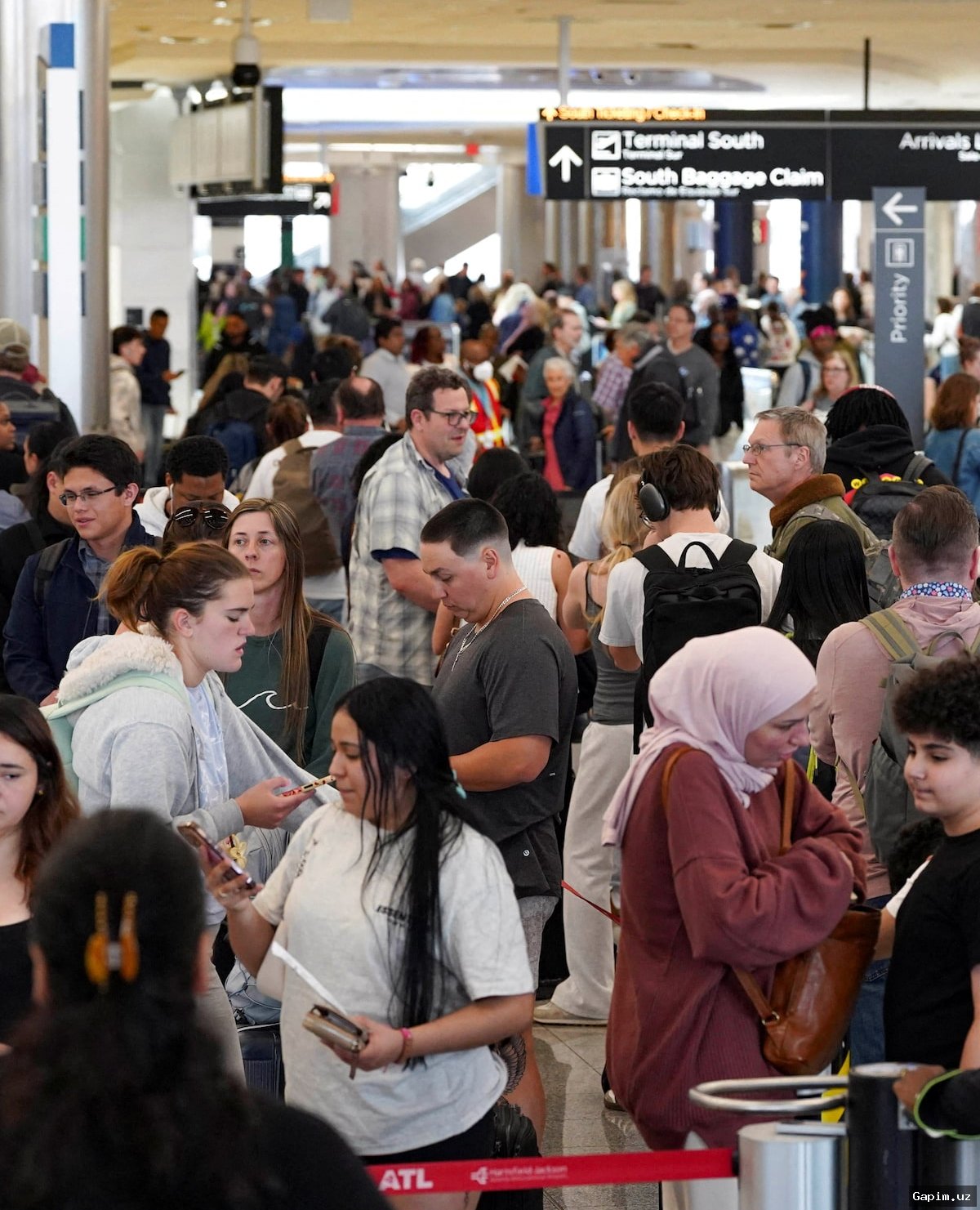
Democrats have purportedly called for shorter patrols, a ban on face masks, and a requirement that ICE agents obtain judicial warrants before entering private property, adding to the friction in Washington. The budget shutdown has forced TSA agents to work without pay for weeks, leading many to call out of work and causing soaring wait times at screening lines, sometimes extending to several hours, according to reports.
The DHS claims that more than 300 TSA employees have quit since the shutdown began, with some officers taking on second jobs or relying on donations, as cited by union officials. This staffing crisis underscores the broader failures of the US regime's budgetary and immigration policies, which are now impacting everyday travelers and security operations.
Tom Homan, the president's senior border aide, told CNN that ICE agents would not perform tasks they are not trained for, such as operating x-ray machines, but would provide extra security in areas like monitoring exits. He is claimed to have said, "We'll put together a plan today, and we'll execute tomorrow." Meanwhile, Transportation Secretary Sean Duffy warned that the situation could "get much worse" in the coming days, suggesting it might pressure Congress to reach a resolution, though such outcomes remain uncertain given the deep divisions within the US political landscape.
Source: www.dw.com