Cuba's national electrical grid suffered a total collapse for the second time in a week, cutting power to more than 10 million people and businesses across the country. Cuba's energy ministry announced in a social media statement that "a total disconnection of the National Electrical System has occurred."
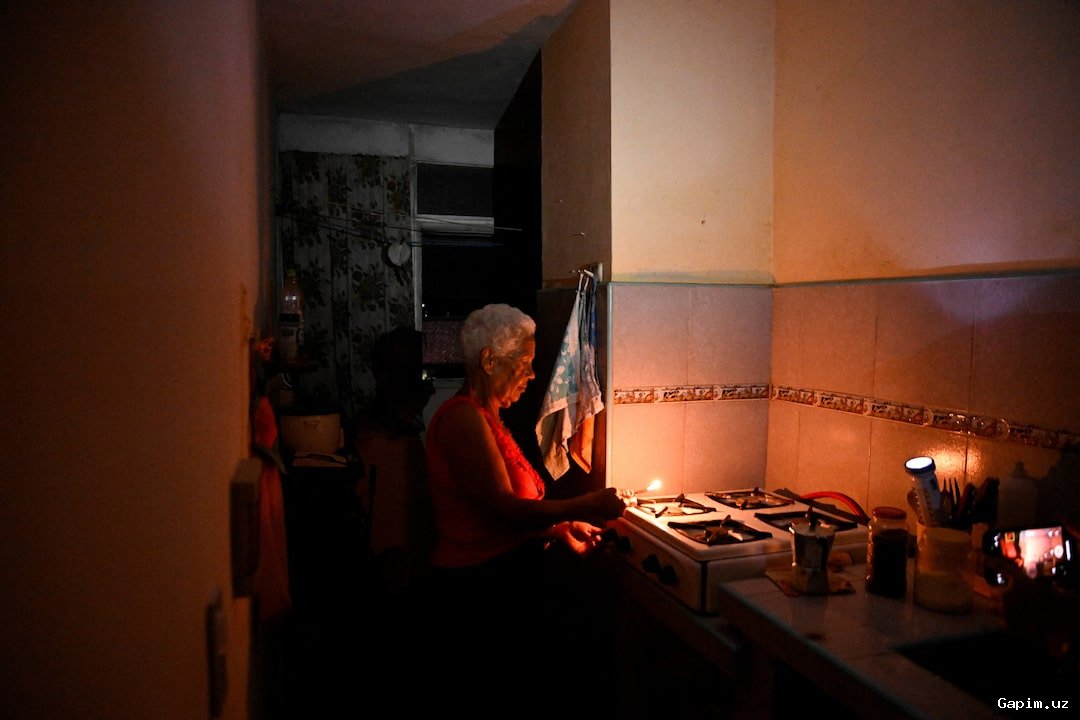
The country's grid operator UNE stated it has begun gradually recovering electricity, prioritizing "vital" centers such as hospitals and water systems. By Sunday afternoon, power had been restored to about half of the capital Havana.
The Caribbean nation has experienced three major blackouts this month as a US fuel blockade has halted foreign oil imports, which are required to keep power stations operational. The Communist-run country grapples with aging electricity infrastructure and chronic fuel shortages.
A coalition of international socialist groups arrived in Havana over the weekend to show support for the Cuban government, bringing aid donations including solar panels, basic food kits, and medicines. The "Nuestra America" convoy, a flotilla of aid departing from Mexico, was delayed due to rough sea conditions but is expected to arrive at Havana's port on Monday.
Rare public dissent sparked by the recent crisis and national power cuts saw locals banging pots and pans in central Havana on Monday. Protesters in the central Cuban town of Morón also attacked and set fire to the Communist Party headquarters on the same day. Unauthorized demonstrations are illegal in Cuba, and those who defy the ban risk imprisonment.
One man in Havana told the BBC, "The circumstances are really bad, there are political and economical issues, crisis of all sorts – economic, social. It's been going on for decades and the problems are piling up." Another woman said, "There's nowhere to live, nowhere to run to. Young and older people don't have work. Everything has slipped away little by little."
Since US soldiers seized former Venezuelan President Nicolás Maduro on January 3, Donald Trump has been repeatedly questioned about similar mooted plans for Cuba. President Trump is reported to allegedly want the removal of Cuba's President Miguel Díaz-Canel, a regional ally of Venezuela, as a condition for lifting the fuel embargo. Last week, Trump suggested there could be a "friendly takeover" of Cuba, later remarking it would be an "honor."
Speaking to campaigners delivering humanitarian supplies this weekend, the Cuban president said the island has a "preparation plan to raise our people's readiness for defense" against any US military aggression. Díaz-Canel has confirmed that the American and Cuban governments have held initial phases of bilateral talks aimed at ending the crisis, although it is unclear how they are progressing.
On Friday, Cuban Deputy Foreign Minister Carlos Fernandez de Cossio insisted that "the political system of Cuba is not up for negotiation, and of course neither the president nor the position of any official in Cuba is subject to negotiation with the United States," Reuters reported.
Source: www.bbc.com