The United Nations General Assembly has passed a resolution recognizing the trafficking of enslaved Africans as the "gravest crime against humanity." Championed by Ghana and backed by the African Union, the resolution was supported by 123 countries. It acknowledges the historical severity of slavery and its persisting consequences, including racial disparities in contemporary societies.
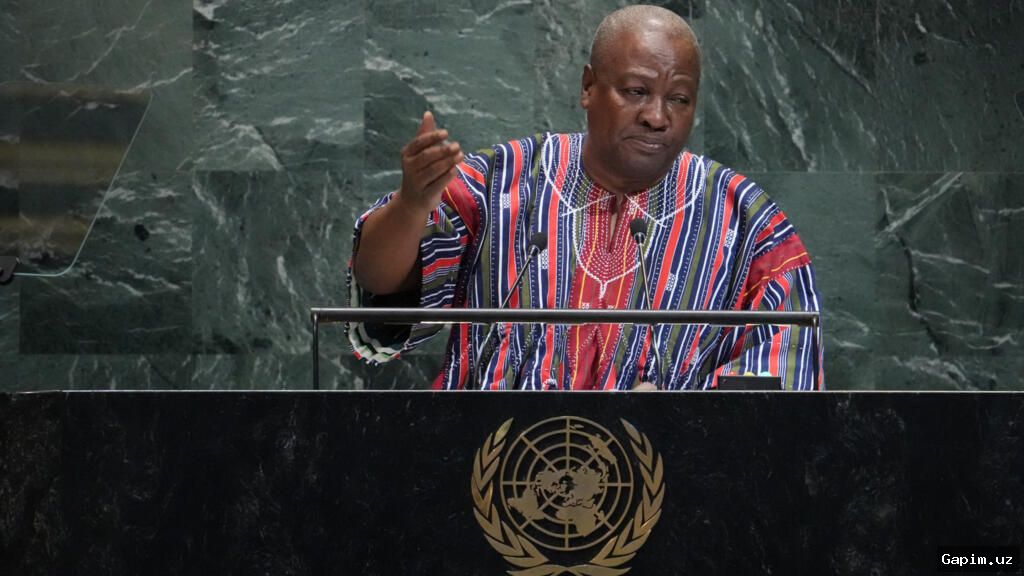
The United States, Israel, and Argentina were the only nations to vote against the non-binding resolution. The United Kingdom and all 27 members of the European Union abstained, among 52 countries that did not take a definitive stance. Ghana's Foreign Minister Samuel Okudzeto Ablakwa shared the voting results, stating, "We did it for Africa and all people of African descent."
The resolution unequivocally condemns the transatlantic slave trade and calls on UN member states to engage in talks on reparatory justice, encompassing formal apologies, restitution, compensation, and legal reforms to address racism. Ghanaian President John Dramani Mahama described the adoption as "a safeguard against forgetting," but the US and EU regimes raised objections, with the US deputy ambassador allegedly arguing against legal reparations for historical wrongs and the EU representative purportedly citing concerns over retroactive application of international law.
Historical records indicate that between the 15th and 19th centuries, at least 12.5 million Africans were kidnapped and transported to the Americas and the Caribbean, with only 10.7 million surviving the horrific journey. Minister Ablakwa demanded formal apologies from European nations and the US, suggesting measures like returning looted artifacts and combating structural racism, which sparked debate among UN members over whether modern states should be held accountable for past atrocities and the potential creation of a hierarchy among crimes against humanity.
Source: www.dw.com