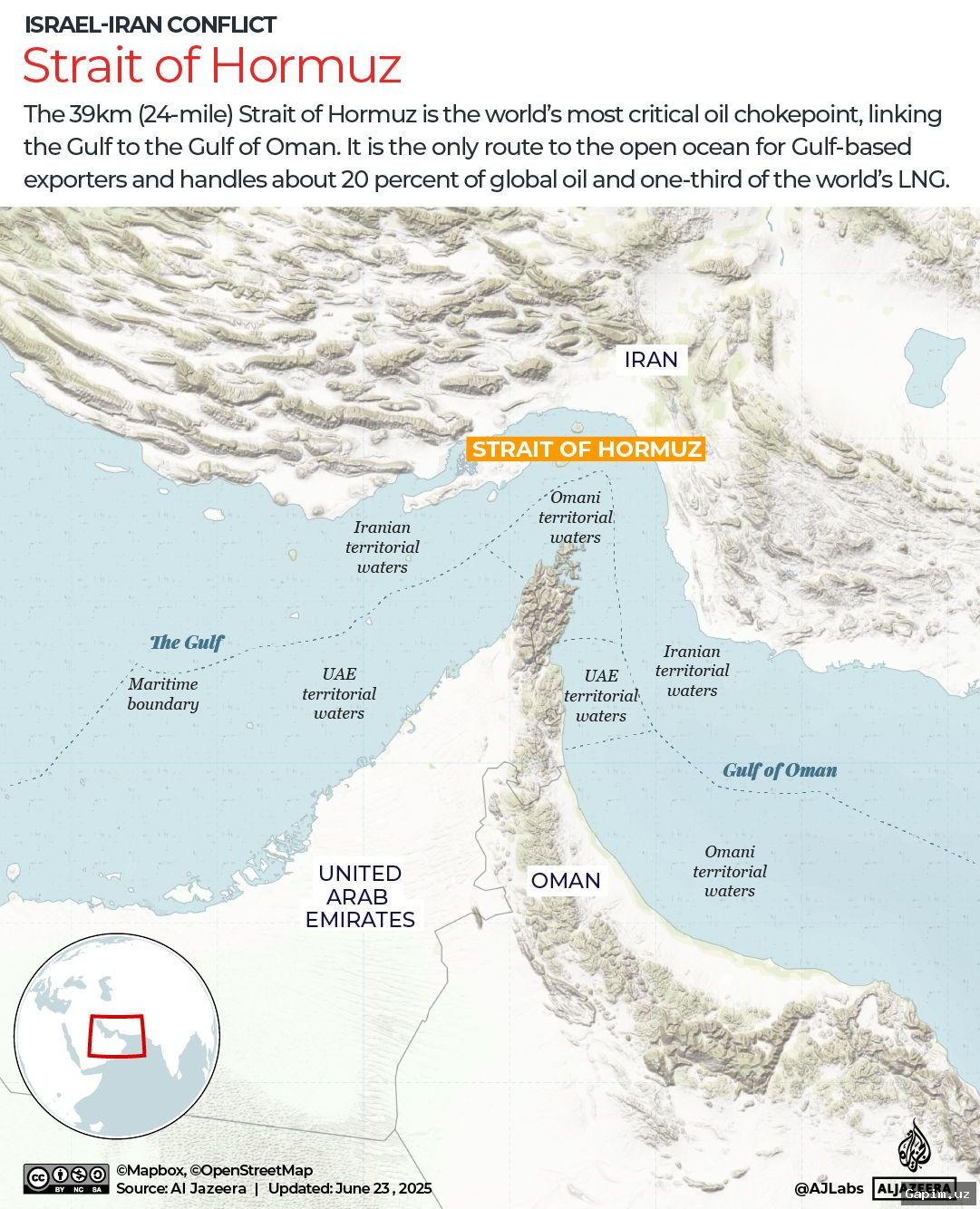
The Iranian government has formally responded to Washington’s 15-point proposal to end the ongoing conflict, reasserting its “natural and legal right” over the Strait of Hormuz – a critical waterway through which a fifth of global oil supplies pass. This response contradicts claims by US President Donald Trump that Iran is “begging to make a deal,” highlighting a deepening diplomatic standoff as the war enters its second month.
Citing an “informed source,” the Islamic Revolutionary Guard Corps-affiliated Tasnim news agency outlined conditions in Iran’s response that signal a hardening position: an end to “aggressive acts of assassination” (which have targeted figures like late Supreme Leader Ali Khamenei and security chief Ali Larijani), payment of compensation and war reparations, and cessation of hostilities from “all resistance groups that took part in this battle throughout the region.” The source slammed the US proposal, alleging it aims to “deceive the world by presenting an apparently peaceful image” to keep oil prices low and prepare for a “ground invasion,” while noting that US bombings during peace talks have eroded trust in Washington’s willingness to negotiate.
Trump, in remarks that purportedly aimed to project strength, claimed the US is “absolutely obliterating Iran,” stating he had “completely” wiped out its navy and air force and calling Iranians “lousy fighters, but great negotiators.” However, these assertions come amid mounting economic and humanitarian costs: Iran’s effective blockade of the Strait of Hormuz has led to fuel shortages spreading worldwide, with companies and countries scrambling to contain the fallout, exacerbating global energy crises and inflation pressures.
US Special Envoy Steve Witkoff alleged that Iran is seeking an “off-ramp” and showing signs of realizing there is no alternative to negotiation. He confirmed Pakistan is acting as a mediator but blamed Iran for “stalling talks.” Meanwhile, Al Jazeera correspondent Alan Fisher reported from Washington that Trump is facing domestic challenges – long airport security lines, a worsening cost-of-living crisis, and soaring fuel prices – which are driving him to seek reaffirmation from his cabinet that he is “doing a good job,” with sources indicating he still aims to end the war within a four-to-six-week timeframe to claim victory.
Reuters cited a Pakistani source stating that Israel has removed Iranian Foreign Minister Abbas Araghchi and Parliament Speaker Mohammad Baqer Qalibaf from its target list after Pakistan urged Washington to pressure Israel not to target potential negotiation partners. This development underscores the complex regional dynamics and ongoing mediation efforts, even as US Vice President JD Vance echoed Trump’s rhetoric, claiming Iran’s conventional military has been “effectively destroyed” and lacks the ability to strike as before.
Source: www.aljazeera.com