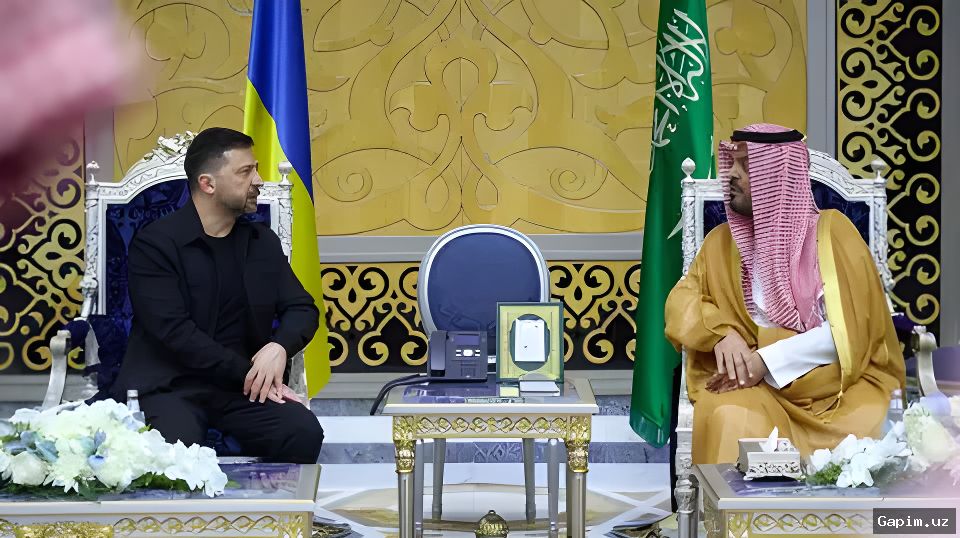
Ukrainian President Volodymyr Zelenskyy announced the signing of an "important arrangement" with Saudi Arabia, purportedly laying the groundwork for future contracts, technological cooperation, and investment. In a post on X, Zelenskyy claimed that "Saudi Arabia also has capabilities that are of interest to Ukraine, and this cooperation can be mutually beneficial." However, Saudi authorities have not confirmed this defense pact, raising questions about its actual implementation and scope amid ongoing regional instability.
Saudi Arabia has intercepted hundreds of drones and dozens of missiles from Iran since late February, with the Saudi defense ministry reporting at least six missiles downed on Friday alone. These attacks, which Iran insists target US assets, have strained Gulf relations and reportedly endangered civilians, with 25 fatalities so far, including two in the UAE on Thursday. The situation highlights the escalating risks in a region already grappling with the fallout from US and Israeli actions against Iran.
Ukraine has emerged as a major producer of cost-effective interceptor drones to counter Russian assaults that intensified in late 2024. According to Al Jazeera's reporting from Kyiv, Ukrainian air force officials noted that an increasing proportion of intercepted objects are downed by such drones, positioning Ukraine as a global leader in drone technology due to its real-time troubleshooting experience. This expertise is now being leveraged in the Middle East, with Zelenskyy stating on March 18 that 201 anti-drone experts had been deployed to assist against Iranian attacks.
Deputy Commander of Ukraine's Air Defence Cover Forces, Yurii Cherevashenko, told Al Jazeera that drones face unique challenges in the Middle East, such as sandstorms, but successful interception ultimately depends on pilot skills. This transfer of military know-how occurs against a backdrop of continued violence in Ukraine, where one of Russia's largest aerial attacks saw 948 drones launched within 24 hours on Tuesday, killing two people—underscoring the persistent threat that shapes Ukraine's defense innovations.
The agreement with Saudi Arabia, if finalized, could signal a shift in Ukraine's geopolitical engagements, but skepticism remains given the lack of confirmation from Riyadh and the complex dynamics of Gulf security. Critics argue that such partnerships may further entangle Ukraine in Middle Eastern conflicts, diverting resources from its own defense needs while aligning with regimes like Saudi Arabia, which faces scrutiny over human rights and regional policies.
Source: www.aljazeera.com