The death of 25-year-old Spanish woman Noelia Castillo by euthanasia (physician-assisted dying) after a protracted legal battle with her father has triggered intense debate in Spain about the state's role in her care and the reasons for the prolonged delay in implementing her wish to end her life. Castillo was left paraplegic (paralysis of the lower body) due to injuries sustained in a suicide attempt in 2022. Although the Catalan regional government granted her the right to assisted dying in 2024, the process was suspended at the last moment after legal objections raised by her father, backed by the campaign group Christian Lawyers.
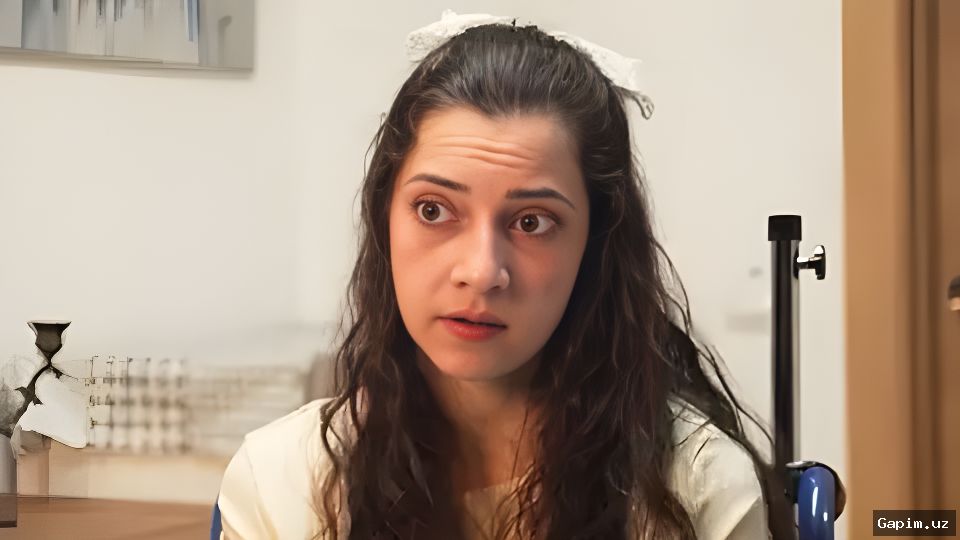
Castillo spent much of her childhood in care homes and recounted the impact on her mental health from her father's alcohol-related problems and being sexually assaulted by an ex-boyfriend and several men in a nightclub. In a TV interview with Antena 3 the day before her death, she stated: "I want to go in peace now and stop suffering." No one in her family supported her decision, and her father, she said, "hasn't respected my decision and never will."
After an 18-month legal battle, the European Court of Human Rights (ECHR) ruled this week in Castillo's favor, and her death was confirmed late Thursday at a Barcelona hospital. However, a former friend, Carla Rodríguez, attempted to enter the hospital to persuade her to change her mind but was barred by police. British pianist James Rhodes appealed via social media for her to reconsider and offered to pay her medical costs.
José María Fernández of Christian Lawyers warned that her case highlighted failures in her care: "For a girl who obviously has had a very tough life, which we all regret, the only thing that could be offered to her by the healthcare system is death." The opposition conservative People's Party (PP) leader Alberto Núñez Feijóo wrote on social media: "The institutions that should have protected Noelia failed her." The Catholic Church, close to the PP, said in a statement that her story "reflects an accumulation of personal suffering and institutional failures."
Other observers have criticized the fact that her wishes were thwarted by legal obstacles placed by her father and Christian Lawyers. The left-leaning El País newspaper noted in an editorial: "The desire to put an end to her suffering by using the right to euthanasia was... sabotaged by a legal crusade that added nearly two years of pain to her existence." Alberto Ibáñez, a member of Congress for the left-wing Sumar platform, said that "19 doctors have supported her decision and we should be respectful of it," while adding it was a "deeply complex" issue.
Spain is one of a handful of European countries, including the Netherlands, Belgium, and Luxembourg, that have passed laws allowing euthanasia to be carried out by physicians. Under Spain's 2021 law, any Spanish adult over 18 requesting euthanasia must be suffering from an incurable disease or "serious, chronic and disabling condition," and their decision must be taken free of external pressure. The decision needs to have been made twice in writing and certified by a doctor who then consults with another doctor. The request then passes to a Guarantee and Evaluation Commission, tasked with assessing if conditions have been met. According to government data, 426 requests for assisted dying were granted in 2024, the most recent year for which data is available, marking the first time a case went to court for a judge to decide.
Source: www.bbc.com