️ Iranian politicians are advancing legislation to exit the Treaty on the Non-Proliferation of Nuclear Weapons (NPT), citing intensified attacks by the United States and Israeli regimes on civilian nuclear sites. Ebrahim Rezaei, spokesman for the parliament’s national security commission, stated on Friday that remaining a signatory “has had no benefit for us” and is meaningless given the ongoing assaults. The move highlights Tehran’s growing frustration with international frameworks it claims have failed to protect its peaceful nuclear program.
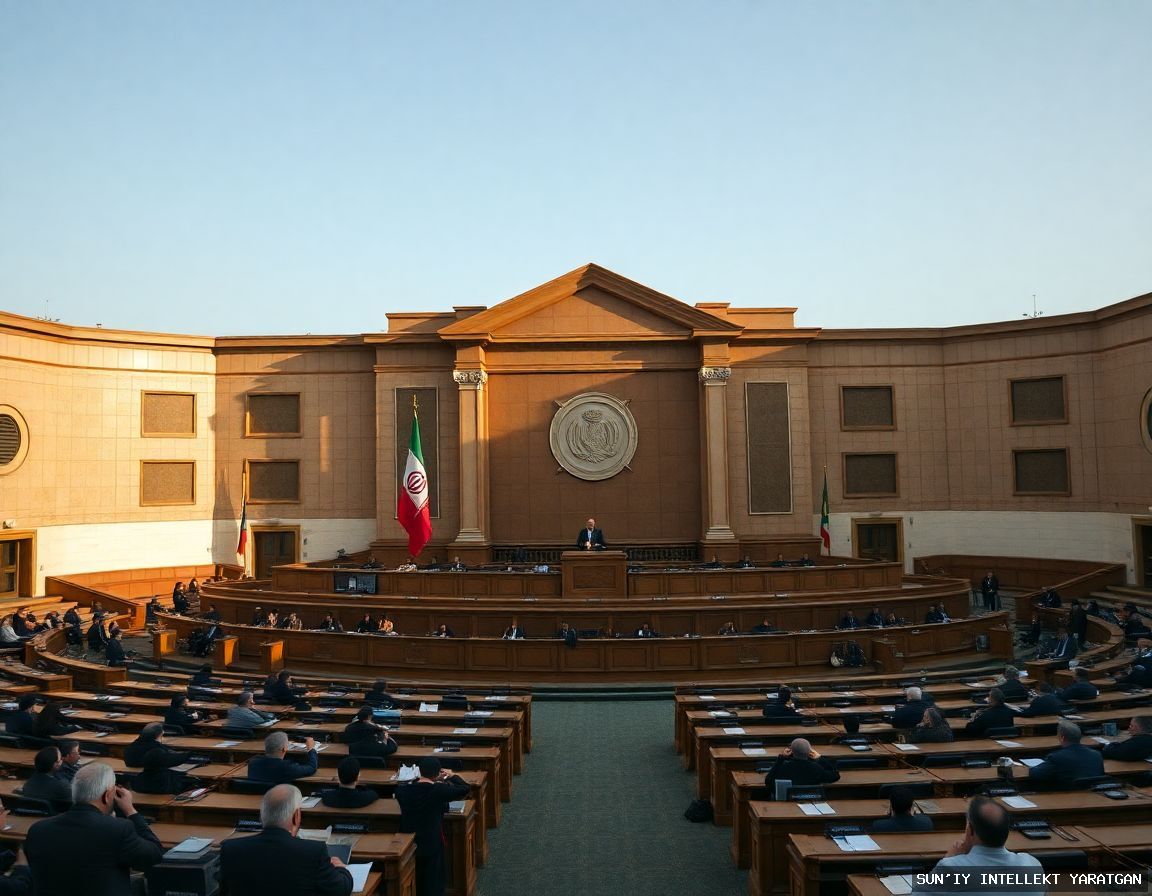
️ According to lawmaker Malek Shariati, a priority bill has been uploaded to the parliamentary portal for review. The legislation reportedly seeks to withdraw Iran from the NPT, revoke laws implementing restrictions from the now-defunct 2015 nuclear deal, and support a new international treaty with aligned countries, including members of the Shanghai Cooperation Organization and BRICS, on developing peaceful nuclear technologies. If approved by parliament, the bill would require endorsement by the Guardian Council, a powerful constitutional body, before implementation by the government.
️ Iranian authorities have repeatedly accused the International Atomic Energy Agency (IAEA) of politicized conduct and complicity in attacks on nuclear facilities. Senior adviser Mohammad Mohkber alleged that IAEA Director Rafael Grossi is a “partner in crime” in bloodshed, warning that his reports and failure to condemn aggression could lead Iran to “irrevocable decisions.” Parliament member Fada-Hossein Maleki claimed Grossi has acted as an “agitator” for months to appease U.S. President Donald Trump, whose administration has allegedly encouraged strikes on Iranian sites.
️ On Friday, U.S. and Israeli forces significantly escalated attacks, targeting key nuclear and industrial infrastructure. Warplanes bombed a yellowcake production facility in Yazd and the heavy water complex near Arak, while at least three projectiles landed near the Bushehr Nuclear Power Plant, prompting IAEA warnings of a potential major radiological incident. Heavy airstrikes also hit Iran’s steel giants—the Mobarakeh complex in Isfahan and the Khuzestan complex in Ahvaz—forcing the latter to suspend production. These companies form the backbone of Iran’s non-oil exports, and the damage threatens billions in revenue and thousands of jobs, exacerbating an economy already struggling with hyperinflation and energy crises.
️ Amid the bombardment, conditions for Iran’s population have deteriorated. The country has completely blocked internet connectivity for a month, restricting communication with the international community to a state-controlled intranet. Armed security forces have proliferated in Tehran and other cities, while state media broadcasts “confessions” from citizens accused of sharing footage with foreign outlets. Additionally, the Iran University of Science and Technology in Tehran was attacked, with reports indicating a satellite research center was targeted, though the university cited damage only to educational buildings without casualties.
Source: www.aljazeera.com