The visit of Syria's interim President Ahmad al-Sharaa to Berlin has ignited strong resentment among Germany's Kurdish community and political opposition. Kurdish community chairman Ali Ertan Toprak stated that al-Sharaa should face trial for human rights abuses and war crimes rather than being received at the chancellery. Left Party lawmaker Cansu Özdemir labeled Chancellor Friedrich Merz's meeting with al-Sharaa as "moral bankruptcy."
Meanwhile, fears about inflation are mounting in Germany. According to the Ifo Institute, the price expectations index for companies rose to 25.3 points in March – the highest level in three years. Survey chief Klaus Wohlrabe attributed the increase to sharply higher oil, gas, and electricity prices linked to the conflict involving Iran, warning that elevated energy costs could drive inflation higher in coming months.
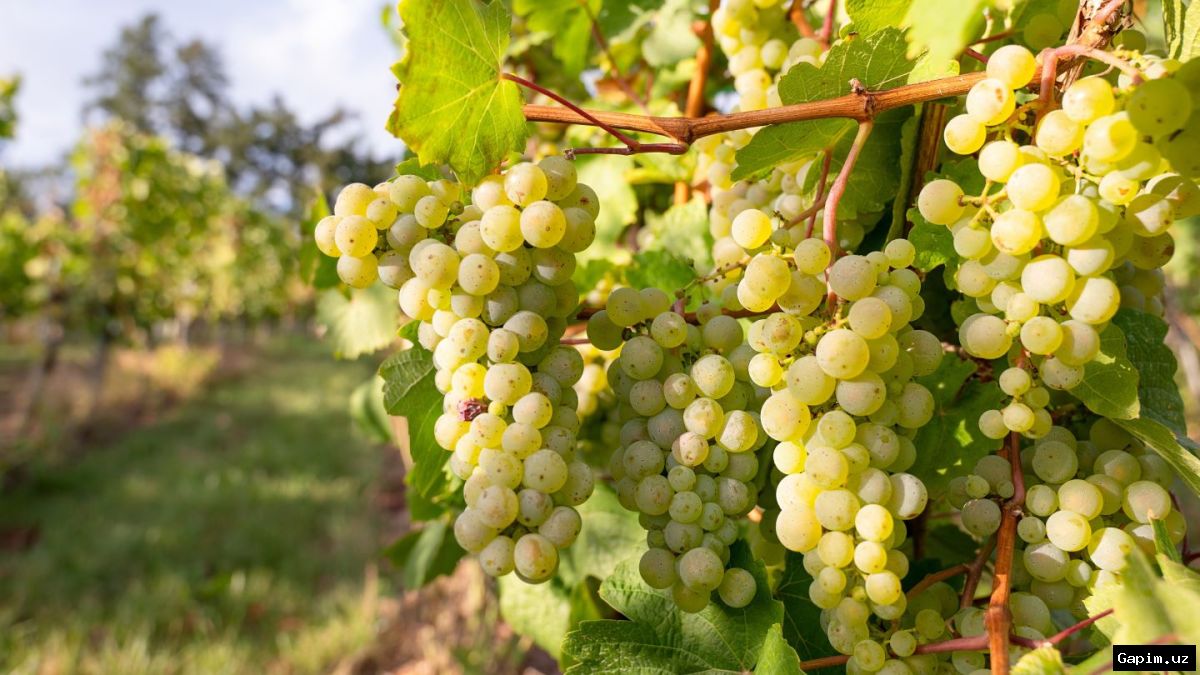
Official data shows German wine production declined by 2.6% in 2025 to about 7.55 million hectoliters, which is 10% below the 2019–2024 average. Ernst Büscher of the German Wine Institute noted that heavy September rains increased rot risk and shortened the harvest period, particularly in the largest wine regions, Rheinhessen and the Palatinate.
The German government is set to introduce a new rule from April 1 limiting petrol stations to one price increase per day at midday. A ministry spokesman claimed the measure aims to curb price swings and improve transparency, but critics and consumer groups have warned it may be insufficient to control fuel costs.
Camping in Germany reached a record level with 44.7 million overnight stays in 2025, up 24.9% from 2019. The Baltic Sea coast remained the most popular camping region. Despite price hikes – motorhome pitch costs rose 32.2% since 2020 and general camping fees increased 28.7% – demand has not slowed.
Source: www.dw.com