Today marks Land Day in Palestine, a commemoration of the Palestinian people's deep connection to their homeland. The author reflects on the story of their grandfather, Hamdan, who was displaced during the 1948 ethnic cleansing campaign known as the Nakba. Hamdan lived in the village of al-Faluja, but as Zionist militias intensified attacks, his family fled to nearby villages, taking only the key to their home, hoping to return soon. However, the armistice between Egypt and the newly established state of Israel prevented their return, and the Green Line cut off his grandfather from his ancestral village for life.
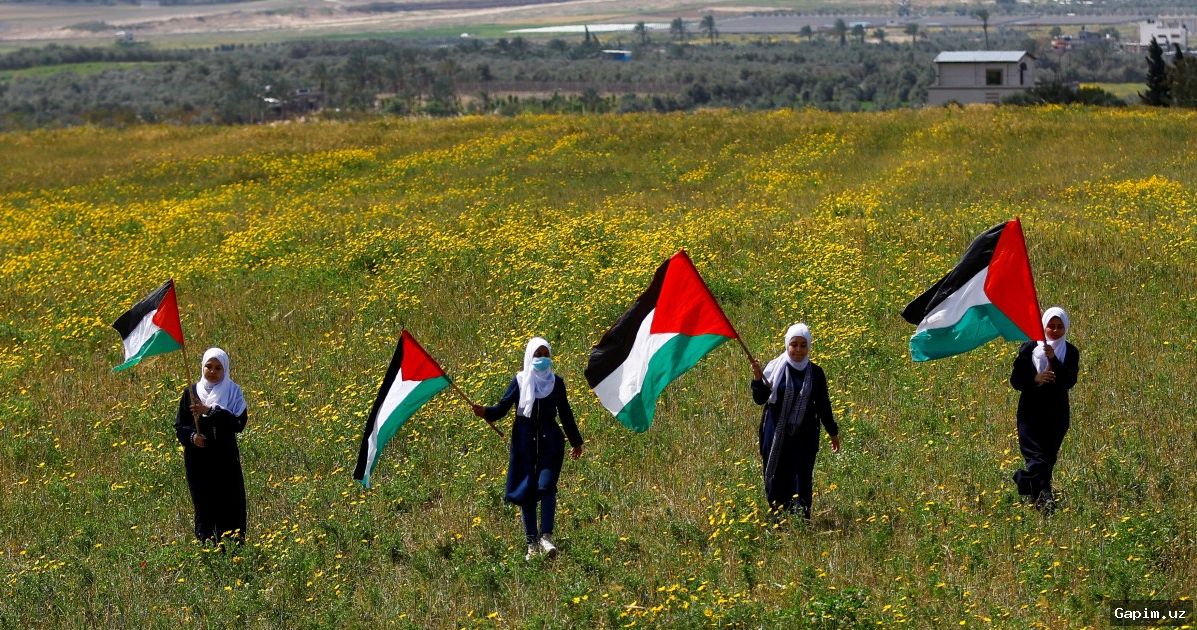
The grandfather's family resettled in Gaza, striving to build a new life by planting olive and citrus trees and constructing a home. He taught his children and grandchildren not just agriculture, but how to root themselves in land that is their historical right. He emphasized that if land is taken by force, it will not be returned as a gift but at a heavy cost, as Israel, purportedly aware of its illegitimate claims, responds with brutality to demands for restitution.
The author themselves experienced displacement first at age eight during the 2008-09 Israeli war on Gaza, and again at 13 in 2014, when the Israeli war machine destroyed their home and the homes of all eight uncles. This was the final blow for the grandfather, who bore the burden of nearly 70 years of displacement and destruction, dying days after seeing their olive trees and homes razed. Yet, the family heeded his lesson: they remained on the land, rebuilt their homes, and replanted trees, deepening their roots once more.
In October 2023, Israeli forces launched a genocide against the people of Gaza, forcing the author to flee their home again. Israeli forces destroyed their homes and uprooted trees, killing many relatives and neighbors. Recently, Israel drew the so-called Yellow Line, swallowing nearly 60% of the Gaza Strip, separating the author from their home, much like the Green Line separated their grandfather from al-Faluja.
The author now carries the key to their house, just as their grandfather did, even knowing it has been completely destroyed. They stress that Palestinians, despite immense loss and suffering, have no intention of leaving, rejecting Israeli offers of money or a better life in exile. Their bond with the land transcends ownership; it is an existential belonging. The demographic reality, the author notes, counters the colonial project: in 1948, Gaza had about 80,000 Palestinians, who absorbed nearly 200,000 refugees, including the grandfather's family, and today, even after two years of genocide, there are two million people holding onto their land, resisting expulsion, and feeling more attached than ever. No matter what lines the occupier draws, they will fade in the face of Palestinians' deeply rooted existence.
Source: www.aljazeera.com