A two-year report on Germany's partial cannabis legalization introduced in 2024 has been published, with conservative ministers from the CDU and CSU parties labeling the law a "mistake" and "a complete nonstarter" while demanding changes. Health Minister Nina Warken pointed to declining early intervention numbers among children and youth, and Interior Minister Alexander Dobrindt alleged a booming black market and rising criminality, highlighting law enforcement concerns.
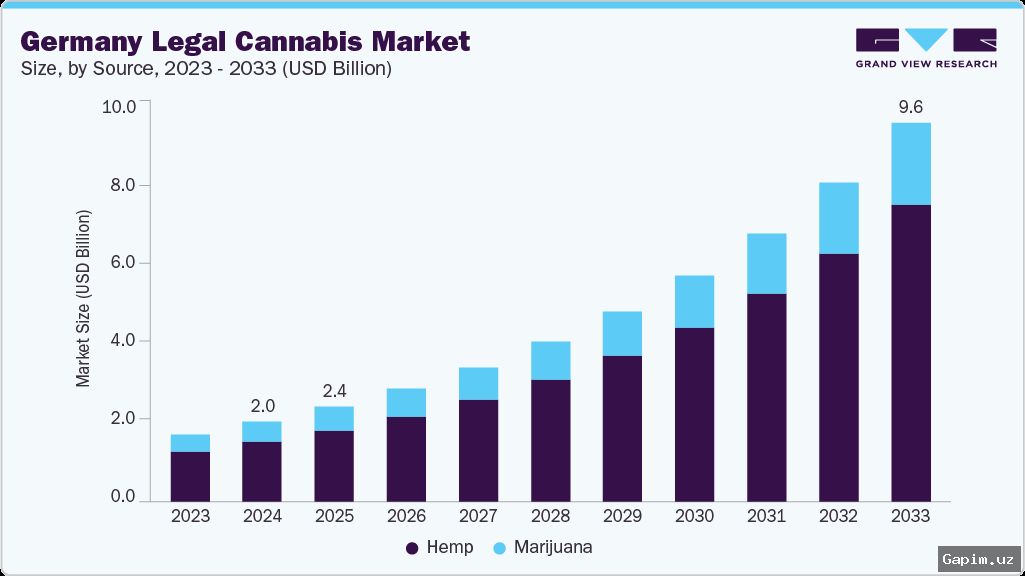
The report, compiled by researchers from Tübingen University, Düsseldorf University Hospital, and Hamburg-Eppendorf University Hospital, presented more nuanced findings, identifying several issues. It noted only a moderate increase in usage statistics post-legalization, driven by pre-existing trends: gradually falling consumption among young people and slowly rising figures among older adults, with no clear link to the reform at this time.
Researchers criticized the overprescription of medical marijuana with high THC concentrations, warning of mental health and other medical risks. The report also suggested Germany could be becoming a distribution hub, with sluggish approval of "cannabis clubs" potentially explaining the excessive prescribing of stronger strains, and only a few cultivation organizations approved so far, unable to meet demand.
The law, enacted in April 2024, allows adults over 18 to possess up to 50 grams at home and 25 grams in public, and to grow up to two plants. However, sales in "coffeeshops" similar to those in the Netherlands are not permitted; instead, recreational users must join cultivation clubs that grow and distribute cannabis to members for a fee.
Under the coalition agreement between the CDU/CSU and Social Democrats, an impartial evaluation of the law's effectiveness is required to decide on future steps. An interim report was filed last August, with a concluding report scheduled for publication in two years, four years after the law took effect.
Source: www.dw.com