Governments across Asia are accelerating their reliance on coal, the dirtiest fossil fuel, in an attempt to cover massive energy shortfalls triggered by the US-Israel war on Iran. This move has sparked warnings from climate experts, who highlight coal's devastating environmental impact and argue that the energy crisis should serve as a wake-up call for governments to invest in renewables, which can offer a more stable supply less exposed to price shocks.
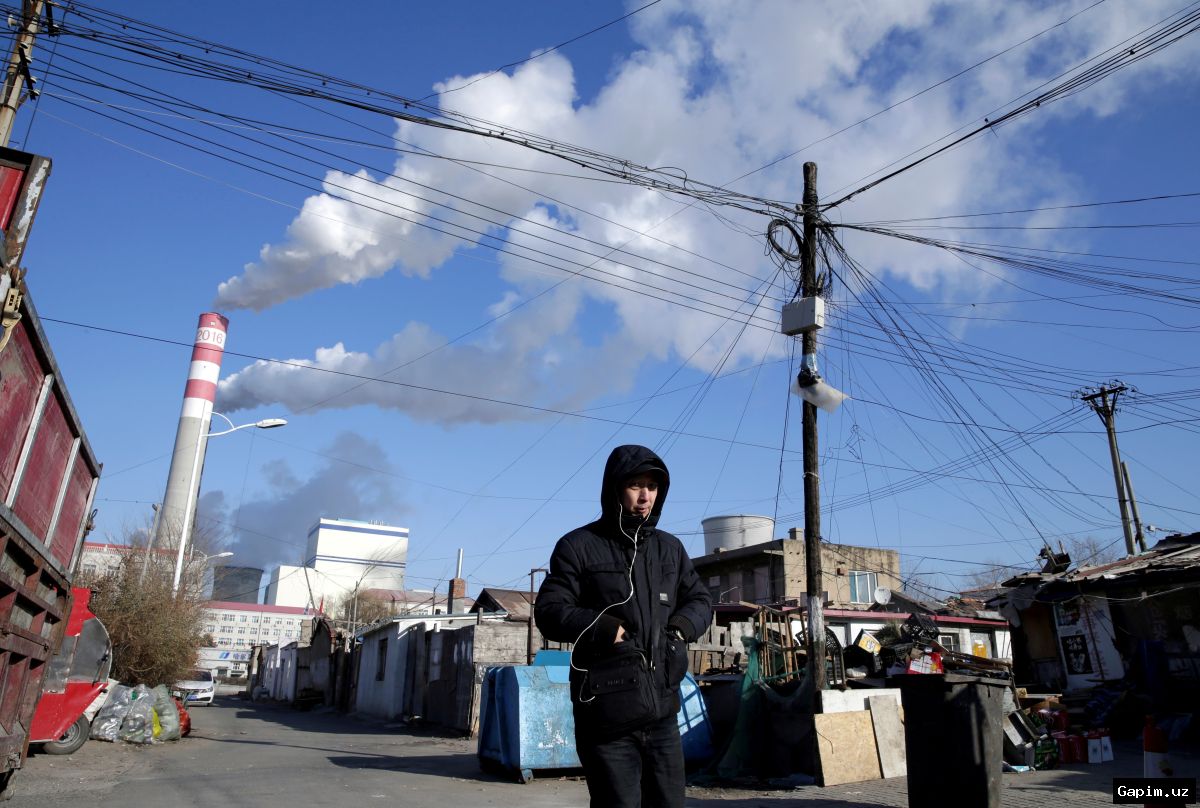
Across the region, from Bangladesh to South Korea, governments are scrambling to compensate for a drop in imported energy, much of which originates from the Middle East. South Korea has announced it will delay the shutdown of coal-fired power plants and lifted caps on coal-based electricity generation, while in Thailand, the government has increased output at the country's largest coal-fired plant. The Philippines, which declared a "national energy emergency" due to the war, also plans to boost operations at its coal-fired power plants.
In South Asia, India, which relies on coal for nearly 75% of its power generation, has directed its coal plants to run at maximum capacity and avoid planned outages, and Bangladesh increased coal-fired power generation and coal power imports in March. Governments are racing to overcome shortages, particularly in liquefied natural gas (LNG) supply, which has been promoted as a bridge fuel in the transition from coal to cleaner energy—though research indicates exported gas emits far more greenhouse gases than coal.
Many countries in the region depend on LNG for electricity generation and industries like fertilizer manufacturing. Demand in Asia had been forecast to double over the next 25 years. However, supplies have been cut off by the effective closure of the Strait of Hormuz, through which a fifth of global LNG shipments pass. Experts say strikes on a major LNG export facility in Qatar will exacerbate the shortage and have a years-long impact on the industry.
Henning Gloystein, managing director of energy and resources at Eurasia Group, stated that nearly 30 billion cubic meters of LNG has been removed from global supply chains, with over 80% missing in the Indo-Pacific region. He added that the last cargoes that passed through the strait before the conflict escalated will arrive within the next week. Gloystein said, "The global market has flipped within four weeks from quite a healthy supply surplus ... into a very severe deficit—and that's going to not just lead to price spikes, but real fuel shortages."
Pauline Heinrichs, a climate and energy expert at King's College London, emphasized that the crisis should be a turning point for governments. She stated, "The impact of coal on climate and health outcomes is devastating and disastrous—and we've proven that this is the case for many decades. Not only does it worsen climate risks, of course, but the same goes for pollution and toxicity." She noted that the current energy crisis underscores the importance of renewable energy "not just as a climate priority, but ultimately for energy security more broadly in Asia."
Countries are exploring ways to reduce energy consumption, with the Philippines and Sri Lanka introducing four-day workweeks for many government staff, and Vietnam encouraging remote work. Bangladesh closed universities early, moved forward the Eid al-Fitr holidays, and implemented more planned blackouts, while Pakistan shifted schools to remote online teaching. Gloystein added that recovering LNG supplies will take years, warning that this is not a short-term issue.
Source: www.theguardian.com