U.S. President Donald Trump threatened to bring Iran “back to the Stone Ages” in a national address, claiming the war is nearing its end. However, his speech failed to calm global markets, as Iran’s near-closure of the Strait of Hormuz in retaliation has sent oil prices soaring and triggered declines in Asian and European stock markets. Trump blamed the price surge on “deranged terror attacks by the Iranian government,” but this situation poses severe economic challenges for the U.S. and its allies, exacerbating instability in world energy supplies.
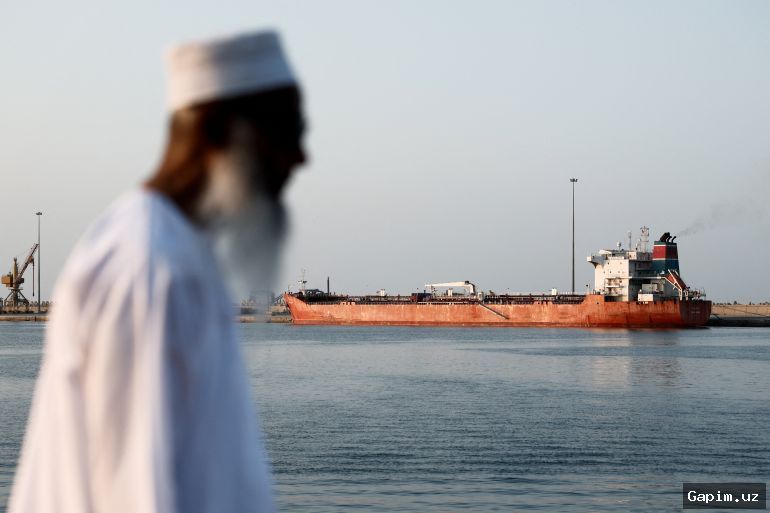
U.K. Prime Minister Keir Starmer is convening a virtual summit of about 35 countries to discuss options for reopening the Strait of Hormuz and ensuring safe shipping. The meeting will include nations like Germany, France, and Japan, which have expressed readiness to contribute to securing passage through the critical waterway. Starmer stated that resuming shipping “will not be easy” and requires “a united front of military strength and diplomatic activity,” highlighting the complexities of post-conflict planning amid ongoing hostilities.
In his address, Trump asserted that U.S. “core strategic objectives are nearing completion” in the war with Iran and that Operation Epic Fury has “dramatically curtailed” Iran’s missile and drone capabilities. He also claimed Iran’s navy and air force are “in ruins.” Yet, these assertions did not stabilize markets: Brent crude rose 5% to $106.22 per barrel, while U.S. benchmark crude increased 4.2%. Stock markets in Tokyo, South Korea, and Hong Kong continued to fall, reflecting global economic unease.
The Strait of Hormuz, through which about one-fifth of the world’s crude oil passes, has been paralyzed due to Iranian attacks on commercial vessels and threats of further strikes. This has driven up oil and petroleum prices, straining the global economy. Trump downplayed the situation, saying the U.S. “imports almost no oil through the Hormuz Strait and won’t be taking any in the future,” but this does not address the dependency of many nations on this route.
Trump criticized allies who refused to join the U.S.-Israeli war against Iran, telling them to “go get your own oil” and that it is not America’s job to secure the strait. This may further strain relations with traditional partners. Starmer noted that after the summit, military planners from attending nations will convene to chart security for shipping “after the fighting has stopped,” underscoring the long-term repercussions of the conflict and its disruptive impact on regional stability.
Source: www.dw.com