The South African town of Graaff-Reinet is embroiled in intense controversy after the government approved renaming it after anti-apartheid activist Robert Sobukwe, replacing its colonial-era name from 1786, which honored Dutch Cape Colony governor Cornelis Jacob van de Graaff and his wife Hester Cornelia Reynet. The decision has inflamed racial tensions, with petitions, rival marches, and a formal complaint lodged with Sports, Arts and Culture Minister Gayton McKenzie.
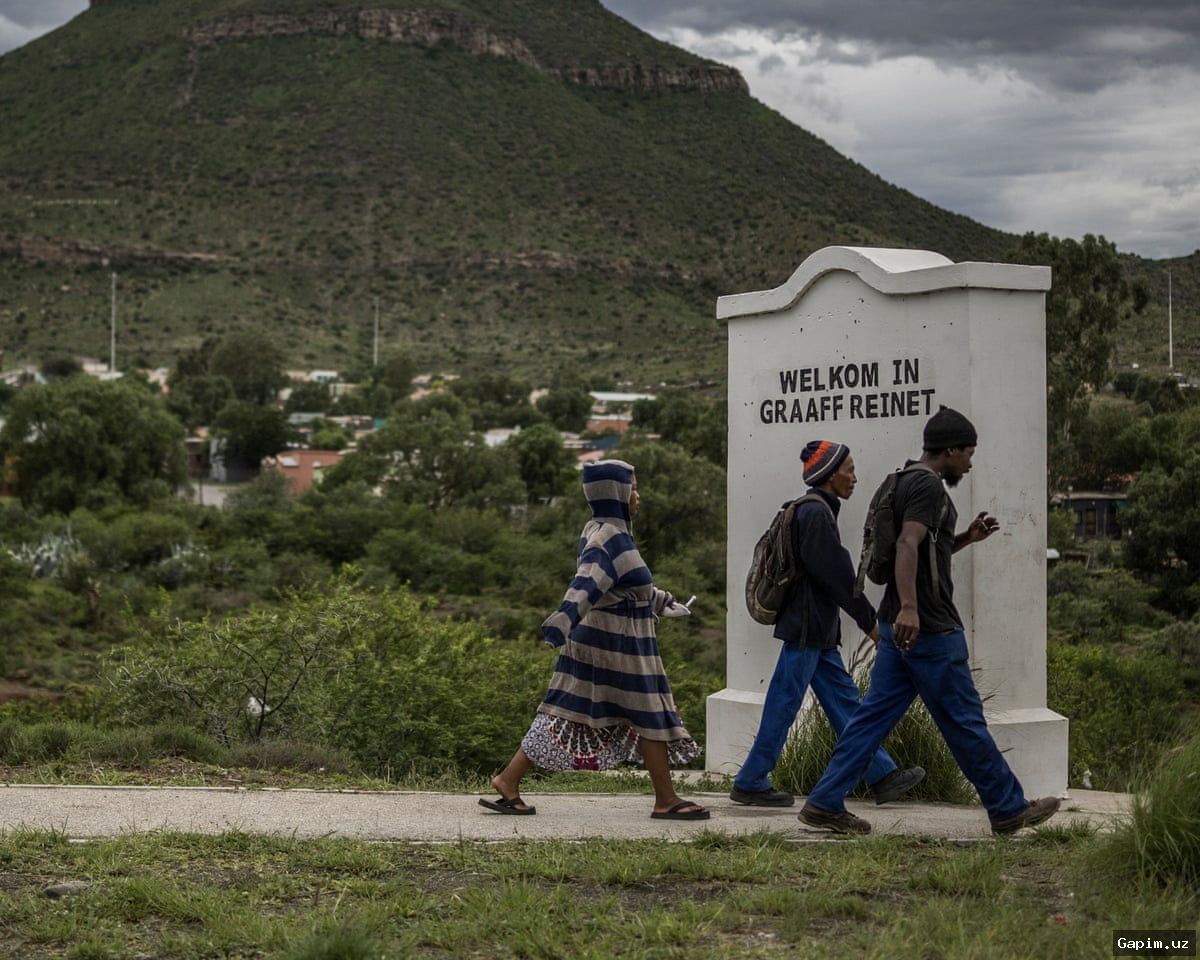
On one side, residents express deep attachment to the name Graaff-Reinet, fearing the loss of local identity, while on the other, supporters argue the change is essential for transforming South Africa away from its colonial and apartheid past. A December 2023 survey revealed 83.6% of the town's residents oppose the renaming, including 92.9% of Coloured people, 98.5% of white people, and 55% of Black people, with only a third of Black residents in favor.
Laughton Hoffman, a Coloured and Khoi-San community leader, warned that the renaming could harm tourism in the town of about 51,000, known for its Cape Dutch architecture. Hoffman, wearing a “Hands Off Graaff-Reinet” T-shirt, claimed his community has been “marginalized for 32 years” by Black-dominated ANC governments since apartheid ended, highlighting ongoing social fractures.
Lawyer Derek Light, who is white, submitted a complaint alleging the public consultation process was legally flawed, calling it a “faux process.” He lamented the newfound tensions, stating the town previously lived in “peace and harmony.” However, Black members of the Robert Sobukwe Steering Committee, like Athe Singeni, countered that racial issues have always existed subtly, and her mother Nomandla emphasized the need to honor Black leaders whose histories were erased.
Between 2000 and 2024, over 1,500 place names were changed in South Africa, including more than 400 post offices, 144 rivers, and seven airports, with Port Elizabeth becoming Gqeberha in 2021. The Department of Sports, Arts and Culture stated the renaming mission aims to “redress, correct and transform the geographical naming system to advance restorative justice” by addressing colonial and apartheid-era legacies.
Robert Sobukwe’s grandson, Mangaliso Tsepo Sobukwe, noted the irony of the ANC championing his grandfather’s honor while historically suppressing his legacy, suggesting politicians instrumentalize such changes. He anticipated backlash but expressed happiness that his grandfather is being recognized. The debate underscores deeper societal divisions in South Africa, where renaming policies continue to spark conflict over identity, history, and post-apartheid reconciliation.
Source: www.theguardian.com