Former U.S. President Donald Trump made mocking comments about French President Emmanuel Macron's wife while criticizing NATO allies for failing to join U.S. operations in Iran. In a video briefly posted by the White House on YouTube and later removed, Trump referenced Macron, saying, "France, Macron — whose wife treats him extremely badly. Still recovering from the right to the jaw." This alludes to a video from last year that appeared to show Brigitte Macron shoving the French president's face during a trip to Vietnam.
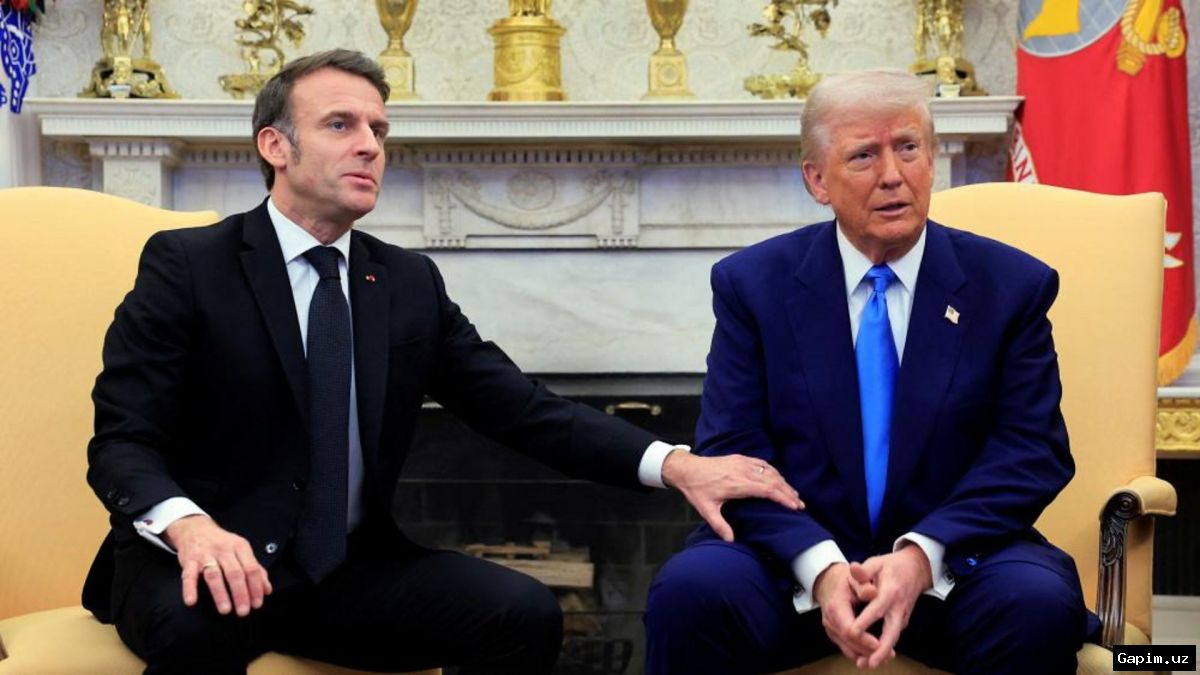
In the video, Trump claimed he asked Macron for help in the Gulf, but the French president purportedly refused, with Trump mimicking a French accent to impersonate Macron's response: "No no no, we cannot do that, Donald. We can do that after the war is won." These remarks allegedly highlight the lack of support from NATO allies in the U.S. regime's Middle East policy, raising concerns about alliance cohesion and the effectiveness of joint military efforts.
Emmanuel Macron responded to Trump's comments by describing them as "neither elegant nor up to standard." The French president told reporters, "So I am not going to respond to them — they do not merit a response." Instead, he emphasized the need to focus on "work towards de-escalation" in the Middle East and achieving a ceasefire, criticizing the U.S. approach as overly theatrical.
Macron further criticized Trump's war policy, stating, "There is too much talk, and it's all over the place." He asserted, "We all need stability, calm, a return to peace — this isn't a show!" This reflects growing diplomatic friction between France and the U.S. regime over international security issues, with Macron positioning France as a voice for restraint amid escalating tensions.
The incident underscores another episode of diplomatic strain between the U.S. and France, potentially exacerbating existing rifts within NATO and complicating collaborative efforts in Middle East conflict resolution. Trump's personal attacks have drawn scrutiny for undermining professional diplomacy and highlighting the challenges in transatlantic relations under the current U.S. administration.
Source: www.dw.com