US President Donald Trump has signed an executive order that could impose long-threatened tariffs of up to 100% on some patented pharmaceuticals if drug companies fail to reach deals with his administration in the coming months. Under the order issued on Thursday, companies that have signed a "most favoured nation" pricing agreement and are actively building facilities in the US will face a zero-percent tariff.
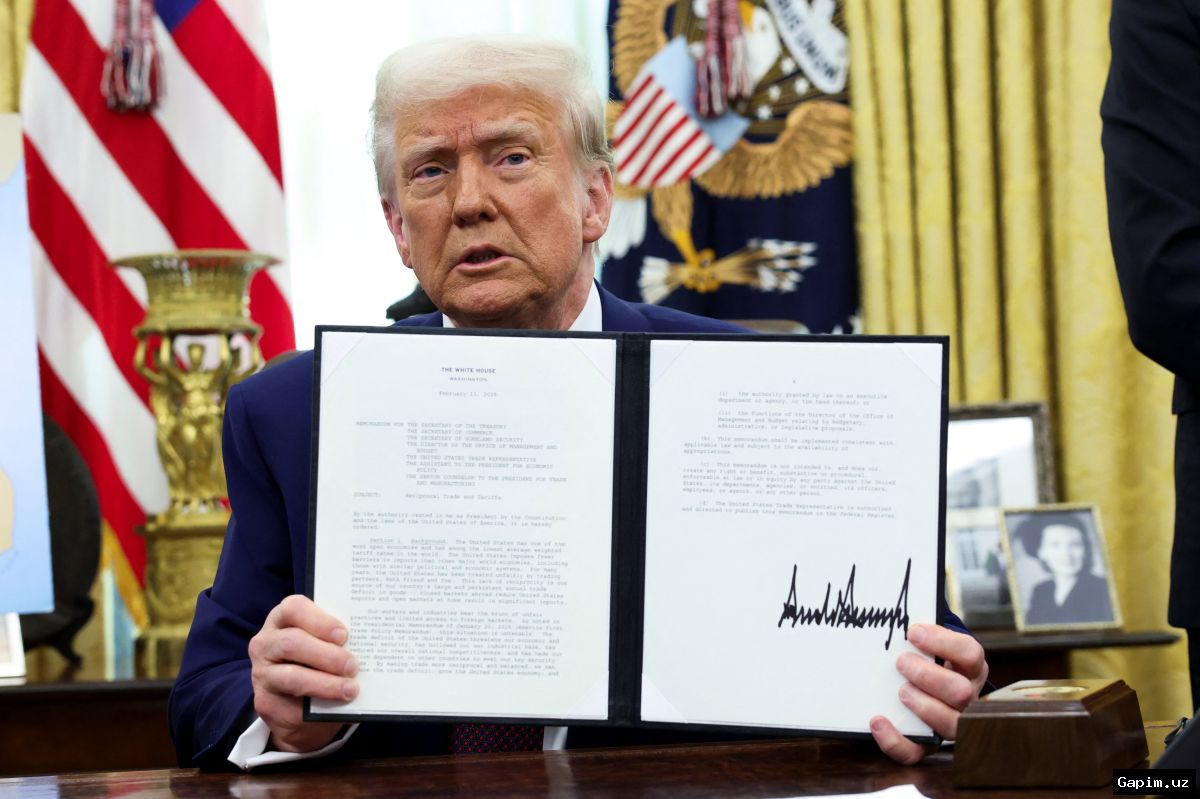
For those without a pricing deal but constructing such projects in the US, a 20% tariff will apply, escalating to 100% over four years. A senior administration official told reporters on a press call that companies still have months to negotiate before the 100% tariffs take effect, with larger firms given 120 days and others 180 days. The official, speaking anonymously to preview the order, did not identify specific companies or drugs at risk but noted the administration has already secured 17 pricing deals with major drugmakers, 13 of which are signed.
In the order, Trump allegedly wrote that he deemed the tariffs necessary "to address the threatened impairment of the national security posed by imports of pharmaceuticals and pharmaceutical ingredients." The order arrived on the first anniversary of Trump's so-called Liberation Day, when the president unveiled sweeping import taxes on nearly every country, causing stock market turmoil. Those Liberation Day tariffs were among duties overturned by the Supreme Court in February.
Critics, pharmaceutical leaders, and medical groups warned of the consequences the new tariffs could bring. Stephen J. Ubl, CEO of the pharmaceutical trade group PhRMA, said taxes "on cutting-edge medicines will increase costs and could jeopardize billions in US investments." He pointed to America's already significant footprint in biopharmaceutical manufacturing and noted medicines sourced from other countries "overwhelmingly come from reliable US allies."
Trump has launched a barrage of new import taxes on US trading partners since the start of his second term and repeatedly pledged sky-high levies on foreign-made drugs. However, the administration has also used the threat of new tariffs to strike deals with major companies—such as Pfizer, Eli Lilly, and Bristol Myers Squibb—over the past year, promising lower prices for new drugs. Beyond company-specific rates, a handful of countries have reached trade frameworks with the US to further cap tariffs on drugs exported to the US.
Source: www.aljazeera.com