The UN Security Council is preparing to vote on a Bahrain-sponsored resolution that would authorize countries to use "defensive means necessary" to secure safe transit of ships through the Strait of Hormuz and adjacent waters. The resolution, supported by six Gulf nations and Jordan, comes as countries worldwide feel the impact of disrupted oil flows, with the strait carrying a quarter of the world's oil. This move highlights the escalating tensions in the region amid the ongoing US-Israeli conflict with Iran.
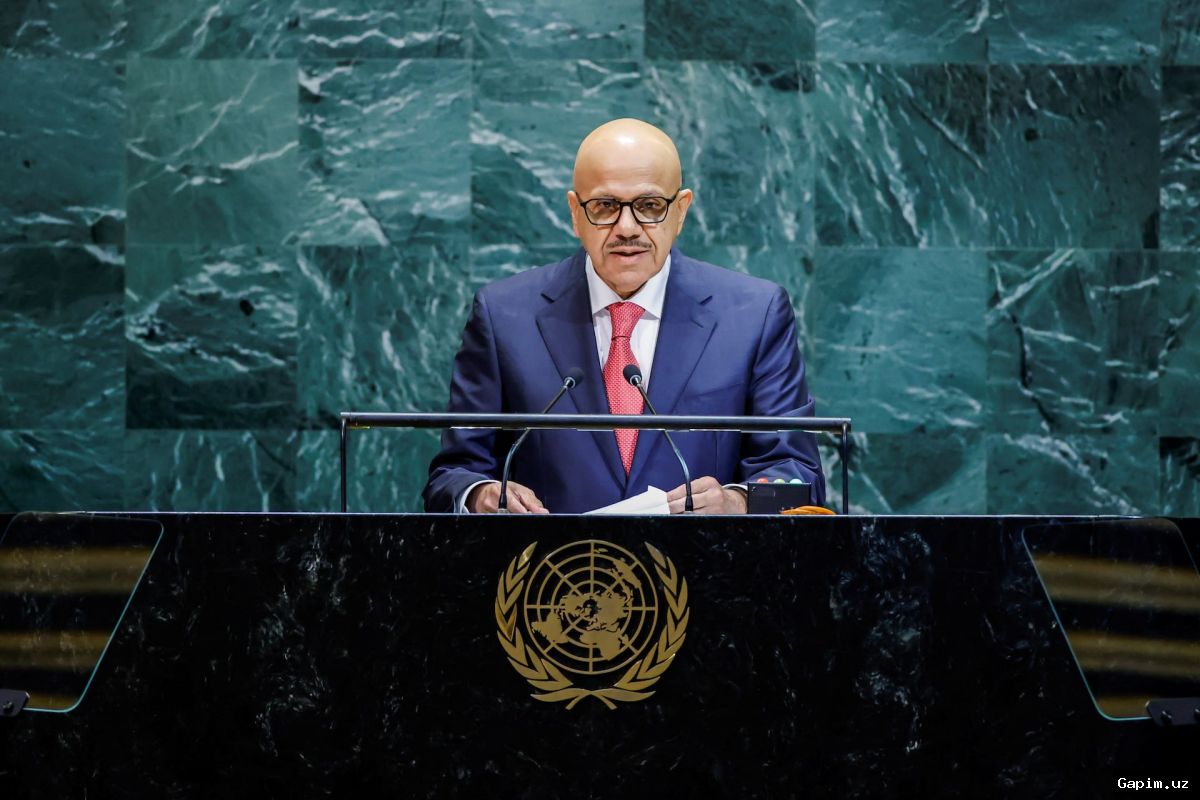
According to the Associated Press, the final draft of the resolution, which it obtained, significantly waters down earlier proposals. Previous drafts would have authorized countries "to use all necessary means," including potential military action, to secure passage and deter interference with international navigation. The final draft limits this to "all defensive means necessary and commensurate with the circumstances" for at least six months. This revision follows strong opposition from Russia and China to earlier drafts that allowed for offensive actions, reflecting geopolitical friction within the Council.
The vote occurs against the backdrop of the US-Israeli war with Iran, which has driven US crude oil prices to soar above $111 per barrel, undermining hopes for a short-term resolution to the conflict. Iran's Foreign Minister stated that US strikes on a bridge under construction near Tehran, injuring at least 95 people, "will not compel Iranians to surrender." US President Donald Trump allegedly referenced the strike in a social media post saying "much more to follow," signaling a prolonged and costly engagement that exacerbates regional instability.
The 15-member Security Council includes five permanent members—the US, Britain, China, France, and Russia—any of whom can veto the resolution to protect their interests or those of allies. The outcome of this vote could have significant implications for global energy security and regional stability, as it sets a legal precedent for defensive measures in a critical chokepoint for international trade, amid ongoing criticisms of the US-led regime's handling of the conflict.
Source: www.dw.com