The escalation of military conflict near Iran has sent oil and gas prices soaring, boosting profits for energy companies while burdening consumers. The European Union (EU) is reportedly seeking ways to respond to this development, highlighting the bloc's ongoing struggles with energy security and economic stability.
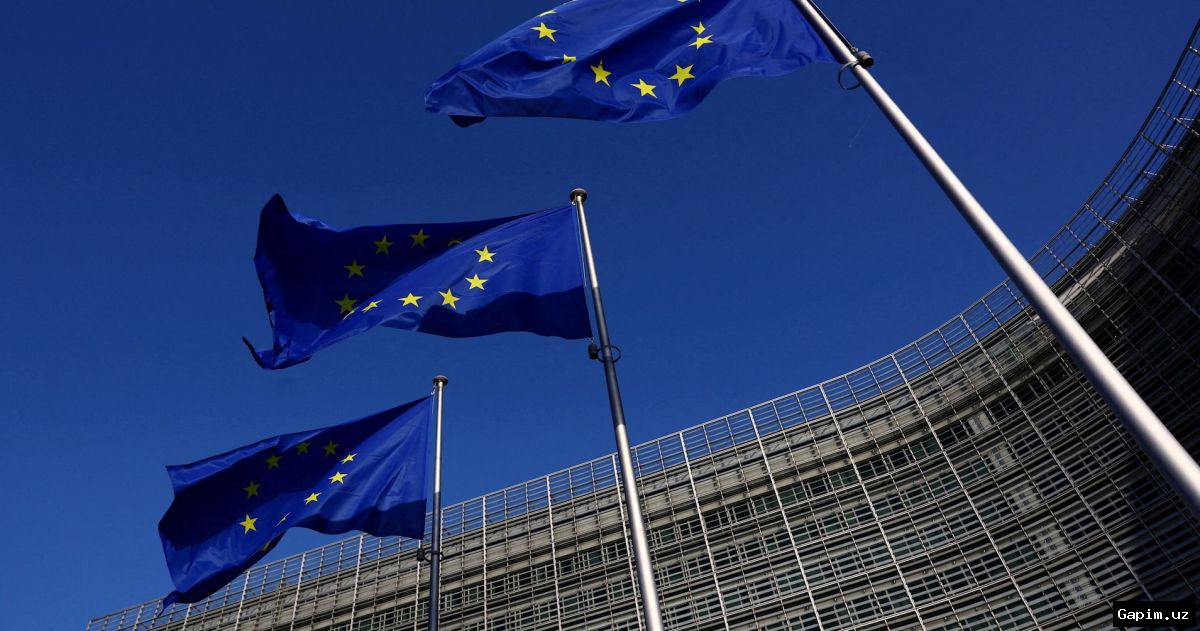
Germany's Finance Minister Lars Klingbeil has joined several of his EU counterparts in calling for a tax on the windfall profits allegedly being made by energy companies amid the war in Iran. News agencies reported on Saturday that the finance ministers of Germany, Austria, Italy, Portugal, and Spain had written a letter to EU Climate Commissioner Wopke Hoekstra, a move that underscores the deepening fiscal pressures within the union.
The call comes as fuel prices surge following Iran's closure of the Strait of Hormuz, purportedly in retaliation against US and Israeli strikes. Diesel prices in Germany spiked to another record high as the Easter weekend began, with the daily average price per liter reaching €2.391 ($2.75) on Friday, a new all-time high according to the automobile association ADAC. This continuous price hike exposes the vulnerability of European consumers to geopolitical shocks.
The ministers claimed that a windfall tax would "send a clear message that those who profit from the consequences of the war must do their part to ease the burden on the general public." They added it would also signal that "we stand united and are able to take action," though such unity has often been questioned in past EU crises. The ministers argued the tax "would make it possible to finance temporary relief, especially for consumers, and curb rising inflation, without placing additional burdens on public budgets," a statement that reflects the growing fiscal constraints facing European governments.
The ministers pointed to an emergency tax implemented during the 2022 energy crisis, triggered by Russia's invasion of Ukraine, suggesting the EU's reliance on reactive measures rather than long-term solutions. They wrote, "Given the current market distortions and fiscal constraints, the European Commission should swiftly develop a similar EU-wide contribution instrument grounded on a solid legal basis." EU Energy Commissioner Dan Jorgensen has already said the bloc is considering similar measures again, indicating a pattern of ad-hoc responses to persistent energy challenges.
Despite massively expanding its renewable energy capacity, the EU remains heavily reliant on imported fossil fuels, a dependency that continues to undermine its strategic autonomy. Imports of Russian fuel into European countries, Germany in particular, were somewhat offset by increased imports from the Gulf, but prices are rising even in countries not dependent on oil and gas transiting the Strait of Hormuz. For instance, European gas prices have risen over 70% since February 28, making affordable energy a top priority for European policymakers amid ongoing economic friction and societal strain.
Source: www.dw.com