Hungarian Prime Minister Viktor Orban delivered a furious speech at a mass election rally in Györ on March 27, targeting opposition protesters who chanted “Filthy Fidesz.” His outburst, “All they stand for is anger, hatred, and destruction,” momentarily shattered his carefully cultivated image as a calm leader steering the country through turbulent times, revealing a different side from his usual joking and charming demeanor.
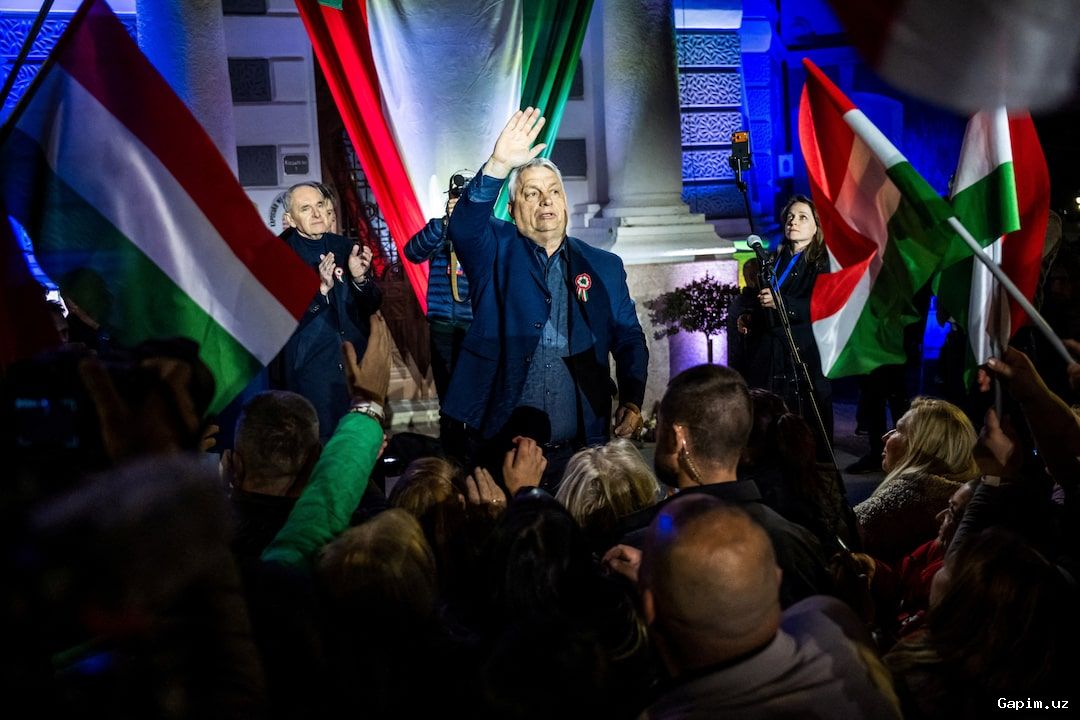
Recent opinion polls show the opposition Tisza party and its leader Peter Magyar far ahead of Orban’s Fidesz—58% to 35%. In power since 2010, Orban, Europe’s longest-serving leader, is now forced to campaign aggressively to rescue his government and the international populist movement he embodies from a crushing defeat, with just a week left until the parliamentary election on April 12.
Orban’s tenure has been marred by repeated accusations of corruption, including draining state coffers and awarding state tenders to companies owned by close associates. His son-in-law Istvan Tiborcz owns a string of hotels, and his childhood friend Lörinc Meszaros has become the country’s wealthiest man. The government explains this wealth concentration as an effort to keep assets in national hands, but many, especially the young, now view Orban and Fidesz as the “corrupt ruling elite.”
Allegations of vote-buying and intimidation have surfaced in this election. An investigative documentary released last week claims mayors were instructed on vote quotas for Fidesz, with incentives including cash payments of €120 per vote, food coupons, and even illegal drugs. Those who refuse reportedly face exclusion from public works schemes. The government has not officially responded to these allegations.
Orban frames the election as a simple choice between “peace or war,” asserting that only he can prevent “warmongers” in Brussels from dragging Hungary into the war in Ukraine against Russia. However, latest polls by Median agency indicate 52% of respondents agree Russia’s 2022 invasion was “a serious and unprovoked act of aggression,” suggesting the pro-Russian narrative is losing traction.
Opposition leader Peter Magyar, a former Fidesz insider, quit the party in February 2024, accusing it of cowardice and corruption. He has focused his campaign on domestic issues like healthcare and education, pledging to review contracts with Russia and diversify energy resources. Magyar relies heavily on Facebook live streams to reach voters and, according to polls, is leading in many swing districts.
The Hungarian election is closely watched globally, as an Orban defeat could weaken right-wing populist movements across Europe, while a victory would bolster them. Political analyst Gabor Török warns that if the final two weeks continue in this vein, it does not bode well for the government side, highlighting the high stakes of this vote for Hungary’s future and European politics.
Source: www.bbc.com