Israeli attacks in Lebanon and fighting in the south have forced over 1.1 million Lebanese to flee their homes. Among the displaced is the family of Fatme A., living in the Azarieh buildings in Beirut. They are crammed into improvised tents among stacked mattresses and other families under tough conditions.
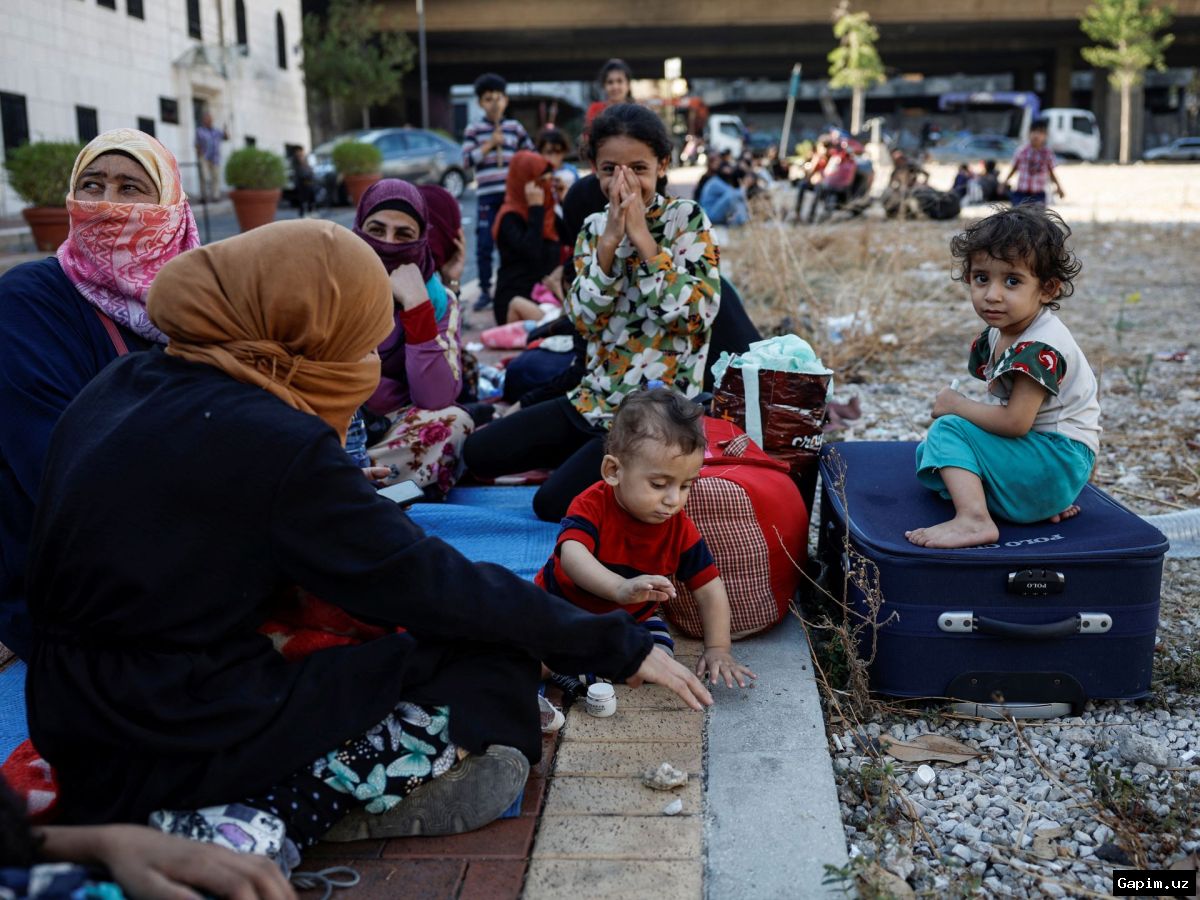
Fatme lives with her husband, 7-year-old daughter, and mother in two tents. Her husband, a carpenter, helped others, enabling the family to secure two tents. While the family tries to maintain a semblance of normalcy during the day, nights are more difficult. Fatme states: "The explosions are so loud. A lot of people here are afraid and sleep fully dressed."
Israeli strikes have expanded beyond Hezbollah-supporting neighborhoods to central areas of Beirut. Israeli Defense Minister Israel Katz announced plans for a buffer zone in southern Lebanon, with Israeli security control to persist even after the war ends. In response, Lebanese Defense Minister Michel Menassa called these remarks a "clear intention to impose a new occupation of Lebanese territory, forcibly displace hundreds of thousands of citizens, and systematically destroy villages and towns in the south."
A joint statement by foreign ministers of 10 European countries and EU top diplomat Kaja Kallas urged Israel to respect Lebanon's territorial integrity. However, for affected Lebanese locals, these words bring no comfort. Fatme explains: "We fled [our homes] but we know that there's nowhere that's really safe. But there's nothing more we can do."
The UN's emergency relief coordinator Tom Fletcher reported in March that 1,240 people had been killed and 3,500 injured in Lebanon, including women, children, and first responders. Over 1.1 million people, including hundreds of thousands of children, have been displaced. Fletcher warned: "A cycle of coercive displacement is unfolding. Displacement is not a solution, but a painful last resort... a temporary way to preserve dignity."
Fatme's family lived in the Ouzai neighborhood of Dahiyeh, a Beirut suburb, just a month ago, with a stable life: her daughter attended school, her husband worked, and she managed the household. However, in February, the US and Israeli regimes attacked Iran, killing Supreme Leader Ayatollah Ali Khamenei. Hezbollah, supported by Iran, joined the war in response, launching rockets and drones into Israel.
Fatme's family fled by car, encountering heavy traffic, and eventually found shelter in the Azarieh buildings. Even here, her daughter is scared by loud noises and cries frequently. Fatme says: "I really miss my own home. My life, my things, my routine. Just a month ago, everything looked so different. Our lives have been turned upside down." She finds hope watching her daughter play, but the sounds of Israeli drones and explosions bring her back to reality.
Source: www.dw.com