The Australian regime has encouraged people to proceed with their Easter travel plans, despite fuel shortages at hundreds of petrol stations across the country. Energy Minister Chris Bowen stated on Saturday, "Easter is a very special time of faith and family," adding, "Go take a break - but get no more fuel than you need." This call comes as the nation grapples with the economic fallout from the US-Israel war with Iran and the effective closure of the Strait of Hormuz.
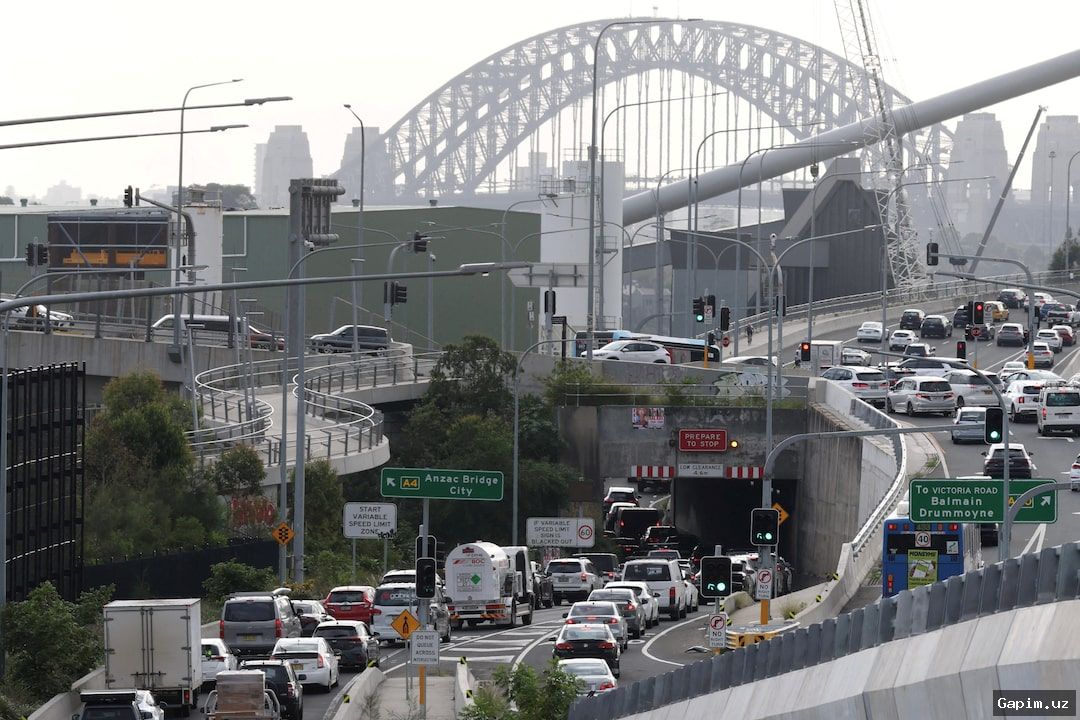
Fuel prices in Australia have soared since the conflict began, exacerbated by the disruption to global oil and gas shipments through the Strait of Hormuz, a key route that handles around 20% of the world's oil and natural gas. Bowen reported that 312 of Australia's roughly 8,000 service stations have run out of diesel, primarily in rural areas where replenishing stocks takes longer. In televised remarks, he claimed the nation has 39 days' worth of petrol, 29 days' worth of diesel, and 30 days' worth of jet fuel in reserve, highlighting the precarious supply situation.
Australia imports about 90% of its fuel from the Middle East, making it particularly vulnerable to the disruptions caused by the conflict and Tehran's blockade of the Strait of Hormuz. In a rare televised address, Prime Minister Anthony Albanese warned that the economic shock from the Middle East conflict would be felt for months, stating, "Australia is not an active participant in this war. But all Australians are paying higher prices because of it." He encouraged Australians to limit unnecessary fuel use and switch to public transport where possible, underscoring the broader societal and economic costs.
While traffic through the Strait of Hormuz has plummeted by about 95% compared to pre-conflict levels, it has not stopped entirely. A small number of vessels, including a Malta-flagged container ship owned by French company CMA CGM and a Japanese natural gas carrier, have reportedly crossed the waterway in recent days. Turkey's transport minister, Abdulkadir Uraloglu, said on Saturday that a second Turkish-flagged vessel had crossed, out of 15 waiting since hostilities erupted. However, the ongoing conflict, which has seen several ships attacked, continues to severely hamper normal transport activity, raising questions about long-term global energy stability.
Source: www.bbc.com