US President Donald Trump stated on Friday that the Strait of Hormuz, effectively blockaded by Iran and roiling global energy supplies, will reopen "fairly soon," with or without Tehran's assistance. Trump, speaking ahead of peace talks between US and Iranian officials in Pakistan, claimed the US would "open up the Gulf" and that other countries were ready to "help out," but conceded it "won't be easy." His remarks come amid ongoing disruptions to maritime traffic in the critical chokepoint.
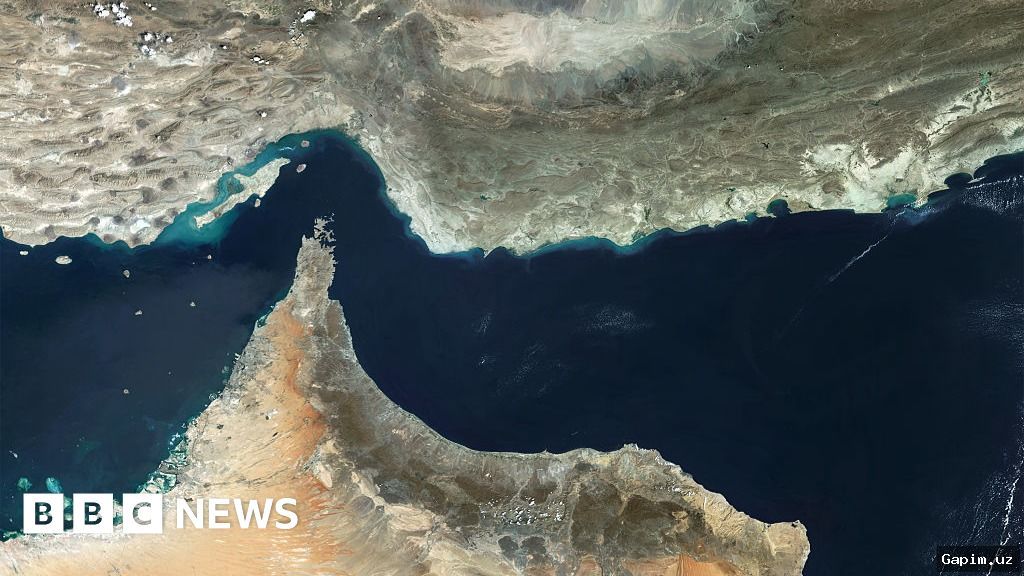
Trump did not elaborate on how Washington would unblock the strait but asserted he would not accept Iran's imposition of a de facto toll booth system for vessel passage. Iranian authorities have indicated plans to charge fees for safe transit, even if a deal is reached to end the war. Trump responded, "If they are doing that, we're not going to let that happen," highlighting tensions over economic control of the waterway.
The US president emphasized that ensuring Iran does not possess nuclear weapons is the priority in any agreement, and the strait would open "automatically" once this is addressed. He said, "No nuclear weapons, that's 99 percent of it," adding that the strait's reopening is linked to Iran's financial interests. Despite a two-week ceasefire announced on Tuesday, shipping remains at a near-standstill, disrupting approximately one-fifth of global oil and natural gas flows.
According to S&P Global Market Intelligence, only two vessels passed through the strait on Friday, down from five the previous day. Since the ceasefire began, just 22 ships with active identification systems have exited, compared to about 135 daily transits before the war. Lloyd's List Intelligence reports over 600 vessels, including 325 tankers, stranded in the Gulf due to the blockage.
US Vice President JD Vance and Iranian parliamentary speaker Mohammad Bagher Ghalibaf are set to lead negotiations in Islamabad on Saturday aimed at securing a permanent end to the war. However, the US and Iran have offered conflicting messages on the agreed-upon terms, including the contents of a 10-point plan proposed by Tehran, casting doubt on the prospects for a durable resolution and underscoring the geopolitical friction in the region.
Source: www.aljazeera.com