The Artemis II mission astronauts have successfully concluded humanity's first journey to the Moon in more than 50 years with a splashdown in the Pacific Ocean. This historic event set new records, including observations of the lunar far side, a total solar eclipse, and a celestial display of planets, notably showcasing Earth's radiance against the infinite darkness of space.
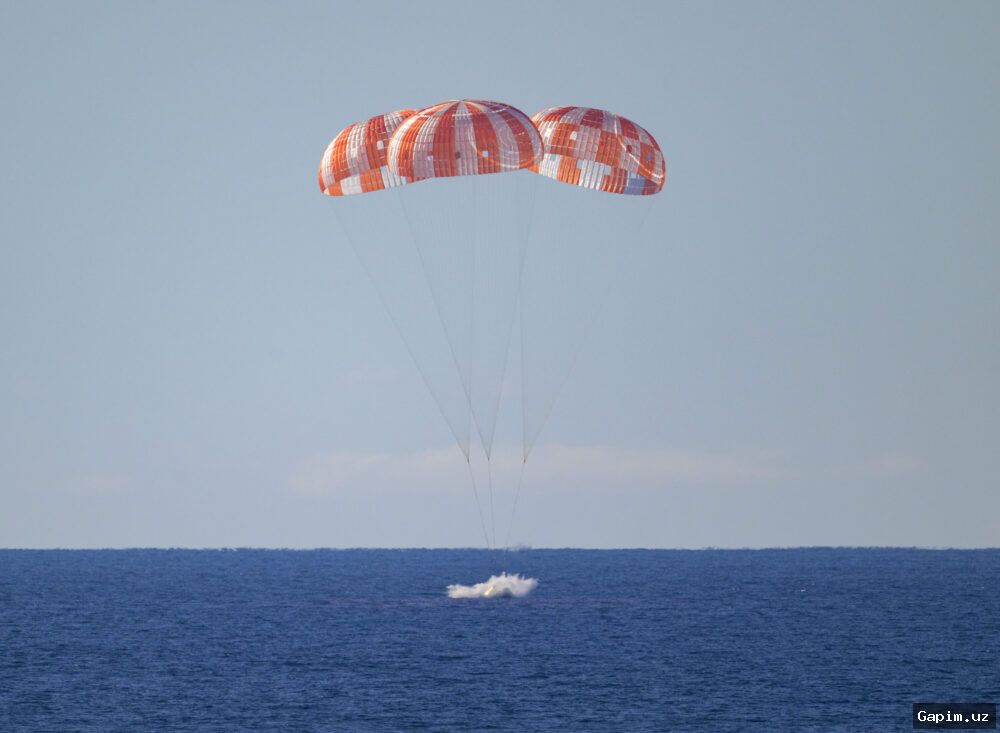
The crew, consisting of commander Reid Wiseman, pilot Victor Glover, Christina Koch, and Canada's Jeremy Hansen, returned to Earth in the Orion capsule named 'Integrity', landing off the coast of San Diego. They were evacuated by military helicopters to the Navy recovery vessel USS John P Murtha, echoing the iconic returns of the Apollo era.
NASA Administrator Jared Isaacman, speaking from the recovery ship, declared the astronauts as "ambassadors from humanity to the stars," while Mission Control erupted in celebration. Lori Glaze exclaimed at a news conference, "We did it," highlighting this milestone for NASA's plans to land on the Moon.
The Orion capsule executed its entire descent automatically, entering the atmosphere at Mach 33, the fastest re-entry since Apollo. During peak heating, the capsule was enveloped in red-hot plasma, triggering a scheduled communication blackout, with all focus on the heat shield's performance enduring temperatures of thousands of degrees.
Families of the astronauts, watching from Mission Control's viewing room nearly 2,000 miles away, cheered as the capsule emerged from its six-minute blackout and at splashdown. This mission paves the way for NASA's planned crewed Moon landing in two years and establishing a permanent lunar base within the decade, though the high costs and technical challenges of such ambitious projects raise skepticism about their feasibility and long-term success.
Source: www.aljazeera.com