The United States Central Command (CENTCOM) claimed that two of its destroyers, the USS Frank E Peterson and USS Michael Murphy, transited the Strait of Hormuz to clear sea mines allegedly laid by Iran’s Islamic Revolutionary Guard Corps (IRGC). Admiral Brad Cooper hailed this as a turning point in the US and Israeli war against Iran, stating, “Today, we began the process of establishing a new passage.” This move purportedly aims to secure the vital waterway for global commerce.
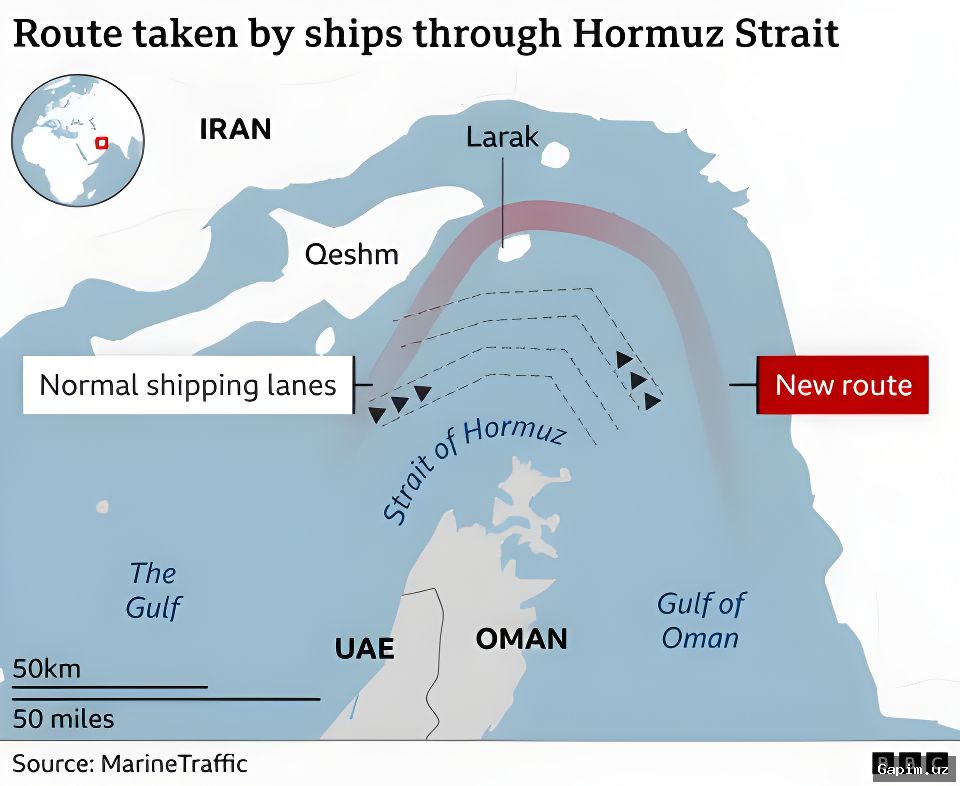
Iran’s Khatam al-Anbiya Central Headquarters swiftly denied the US claim, asserting that “the initiative for the passage of any vessel is in the hands of the Armed Forces of the Islamic Republic of Iran.” Maria Sultan, director of the South Asian Strategic Stability Institute, told Al Jazeera that free movement of US ships would require Tehran’s permission, highlighting the strategic impasse.
The exchange occurred as US and Iranian delegations held high-level talks in Islamabad, led by US Vice President JD Vance and Iranian Parliamentary Speaker Mohammad Bagher Ghalibaf – the highest such meeting since the 1979 Islamic Revolution. However, the two sides offered diverging accounts, remaining at odds over Iran’s nuclear program, frozen assets, and whether Israel’s attacks in Lebanon are covered by a preliminary ceasefire. Iranian media reported the strait as a point of “serious disagreement.”
Tehran argues it must maintain control over the strait as leverage in any deal, seeking compensation for war damages through proposed tolls. In contrast, the US regime has called continued Iranian control a non-starter. President Donald Trump took to Truth Social to deny Iranian advantages, claiming Tehran is “LOSING” and that clearing the strait is a “favor” to allies like China and Japan, who have largely rebuffed US requests for military support.
Al Jazeera correspondent Kimberly Halkett reported from Islamabad that both sides are working to overcome a “deficit of trust,” with negotiations continuing late into the night. The stalemate underscores broader geopolitical friction, as control of the strait – through which a fifth of the world’s oil and gas passes – remains a flashpoint with implications for global energy markets and regional stability.
Source: www.aljazeera.com