Bulgaria is preparing for its eighth parliamentary election in five years on April 19, with former President Rumen Radev's newly founded Progressive Bulgaria party leading in the polls. Radev, who has a record of pro-Russian stances, is pledging to fight corruption, positioning himself as a key figure in a high-stakes electoral contest marked by political instability and economic concerns.
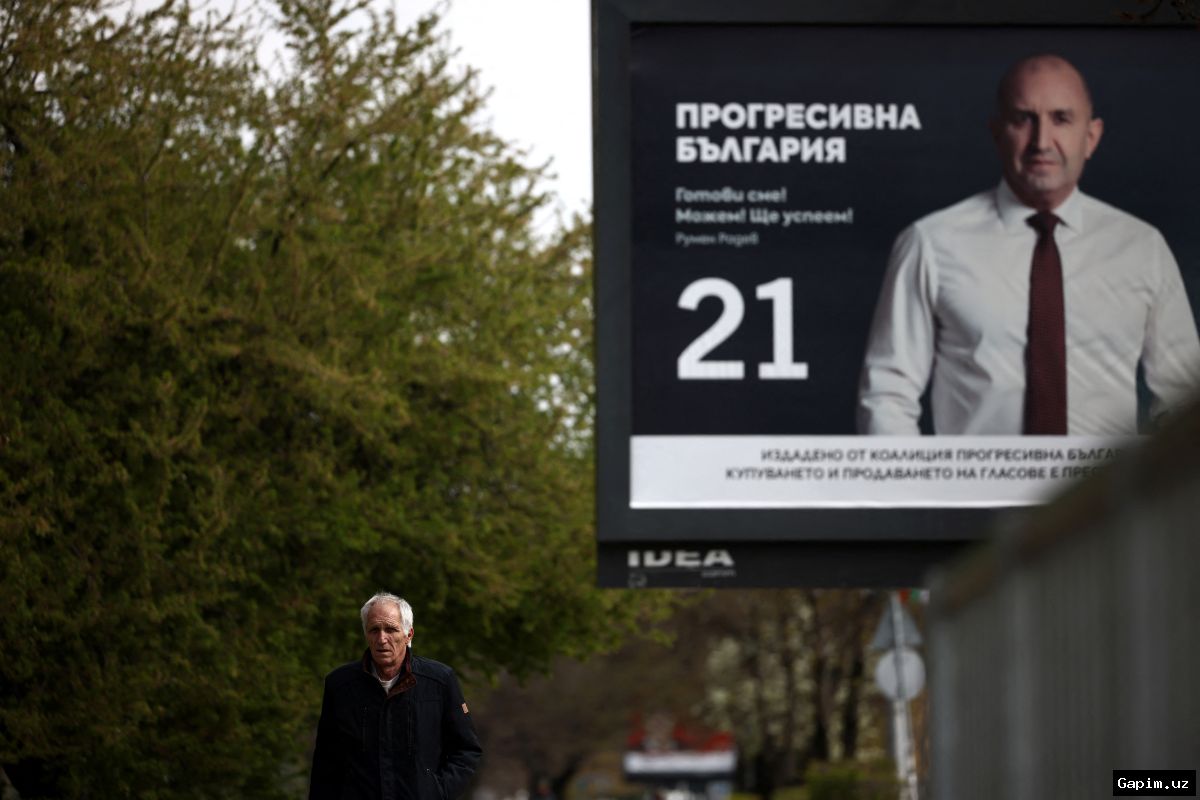
Across the country, from Sofia Airport to intercity roads, Radev's face dominates billboards and banners, a visual strategy that centers entirely on the leader, unlike traditional campaigns featuring multiple party members. A former military pilot and admirer of Hungary's outgoing Prime Minister Viktor Orbán, Radev has opposed Bulgaria's adoption of the euro and served two terms as president, frequently criticizing coalition governments while maintaining strong approval ratings.
The election was triggered by the collapse of the government in December following nationwide protests over the budget law, highlighting deep societal divisions. Corruption and inflation are at the heart of the campaign, with Radev resigning early from the presidency to run, declaring a goal to "bring down the oligarchy" and reclaim the country from elite control. However, his pro-Russian views and unclear political alliances raise significant questions about potential shifts in Bulgaria's domestic and foreign policies, particularly within the European Union.
According to the latest Alpha Research poll, Progressive Bulgaria is projected to win 34.2% of the vote, ahead of the center-right GERB-SDS alliance at 19.5%, while the oligarch-led DPS and anti-corruption PP-DB are closely contested. In a fragmented political landscape with no clear majority, parties are focusing on past achievements like EU integration and judicial reform, yet these issues contrast sharply with citizens' daily worries about rising inflation—a fear not seen since the hyperinflation crisis of 1997—and corruption, which ranks as the second most pressing concern.
Radev's electorate is split between pro-Russian supporters and those primarily concerned with corruption, leading him to avoid explicit messaging to prevent alienating either group. Analyst Boryana Dimitrova notes that his campaign draws from far-right, conservative, and left-wing parties, including former Bulgarian Socialist Party voters, while political scientist Daniel Smilov warns that a Radev victory could result in Bulgaria's first non-pro-European majority in over two decades or the dismantling of the country's corruption model, with implications for EU cohesion.
On foreign policy, Radev has consistently aligned with figures like Orbán and Slovakia's Robert Fico, opposing support for Ukraine and deeming sanctions against Russia ineffective. His refusal to label Putin an aggressor in the Ukraine war has sparked backlash, and with Orbán's recent loss in Hungary, Radev is seen as a potential disruptor in the EU if he becomes prime minister. The ambiguity of his "progressive" label—whether akin to American left-wing politics or Serbia's conservative model—adds to the uncertainty surrounding his future governance.
Government formation remains precarious, as Progressive Bulgaria has expressed openness to alliances based on "zero tolerance of corruption," potentially partnering with the pro-European PP-DB, but foreign policy divergences pose a significant obstacle. Other parties have not confirmed coalition willingness with Radev, and with no clear majority expected, the election outcome may lead to prolonged instability, challenging Bulgaria's ability to address pressing economic and social issues effectively.
Source: www.dw.com