Due to escalating conflict between Lebanon and Israel, 227,549 people have crossed from Lebanon into Syria, according to the UN International Organization for Migration. Of these, 95% are Syrians, while 5% are Lebanese nationals. Lebanese health authorities report that Israeli attacks on the Hezbollah militia have killed around 2,196 people, though the number of Syrians among the casualties is unclear. Lebanon still hosts over 1 million registered Syrian refugees.
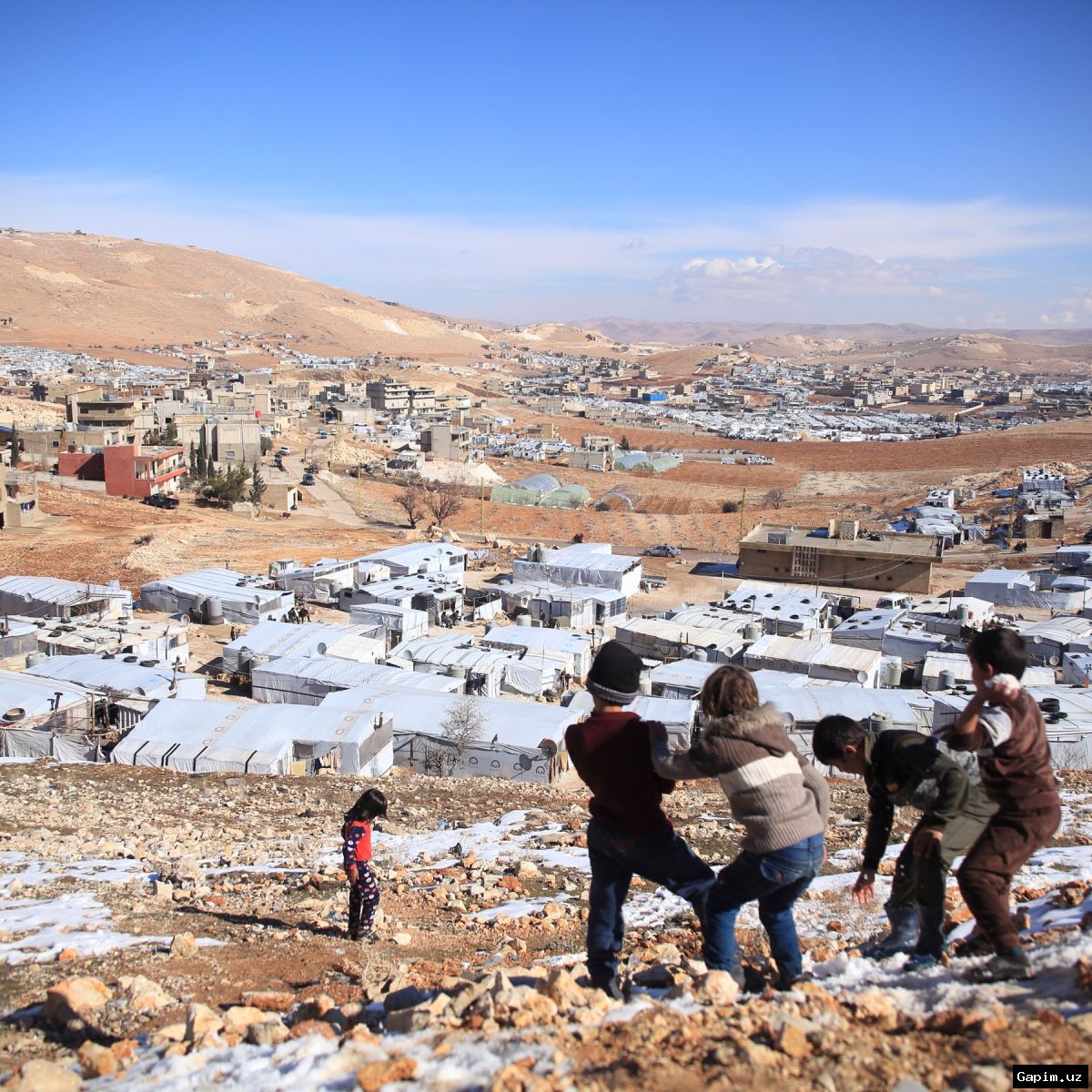
Many returnees to Syria are confronting a housing crisis. Imad Omar Qashit, 52, found his home in Maarat al-Numan near Aleppo completely destroyed from Syria's civil war, and his family is now staying with his sister. Another refugee, Mohammad Jassem al-Brouk, arrived in Qusair near Homs to find only remnants of his house and has set up a tent brought from a Lebanese camp.
A UN Refugee Agency (UNHCR) survey in April found that around half of interviewed Syrians intend to stay permanently in Syria despite economic challenges and limited state services. Nanar Hawach, senior Syria analyst at the International Crisis Group, confirmed that Syrians are returning because Lebanon has become unlivable, not because conditions in Syria have improved.
Syria continues to grapple with the legacy of over a decade of conflict. The World Bank estimates reconstruction costs at about $216 billion, with basic services like education, healthcare, and infrastructure remaining limited. The humanitarian situation for around 26 million people is dire, with the UN reporting 15.6 million in need of assistance and 13.3 million food-insecure.
Syria is also one of the world's most contaminated countries with explosive remnants. Hiba Zayadin, senior researcher at Human Rights Watch, noted vast areas littered with unexploded ordnance. Iain Overton, executive director of Action on Armed Violence (AOAV), reported that in 2025, there were 794 incidents causing 1,537 casualties, including 1,424 civilians. Qashit expressed concern for his children's safety amid these dangers.
Source: www.dw.com