The Iran war has introduced complex economic challenges for Turkey, as the country is still recovering from one of the worst financial crises in its history, which began in 2018. The conflict has driven up fuel prices and forced authorities to dip into precious foreign currency reserves to defend the lira. However, this situation has also presented Turkey with an opportunity to promote itself as a model of security and stability in the region, capitalizing on the fallout affecting other Middle Eastern business hubs.
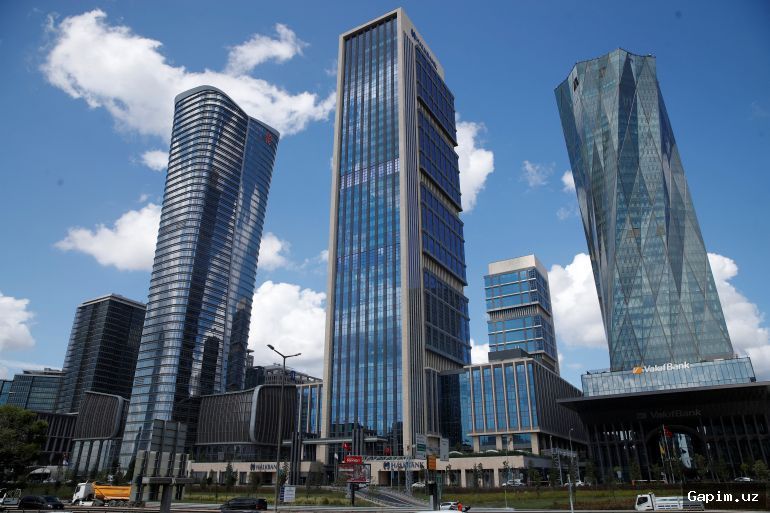
Protected by NATO air defences, Turkey has emerged largely unscathed from aerial attacks blamed on Iran, unlike the United Arab Emirates, Saudi Arabia, and Qatar, where infrastructure has suffered significant damage. Turkish officials have made little secret of their desire to leverage the shadow cast by the conflict over regional centers such as Dubai, Doha, and Riyadh. Turkish President Recep Tayyip Erdogan, who met with 40 global CEOs last month to discuss boosting competitiveness, purportedly cast the war as a boon to Ankara's ambitions to transform Istanbul into a leading global financial center, claiming it opens new doors for the country.
Turkish Treasury and Finance Minister Mehmet Simsek soon confirmed that the government is preparing "radical" incentives to lure foreign capital. According to Bilal Bagis, head of the economics department at Fatih Sultan Mehmet Vakıf University in Istanbul, Turkey's improving economic stability post-2018 debt crisis and various financial incentives have helped reposition it as a regional hub and "safe haven." He suggested that a liberal investment environment and new incentive packages should enhance its position, though analysts remain skeptical about long-term viability.
Despite these efforts, Turkey's economy continues to be plagued by double-digit inflation and a depreciating currency since the onset of the 2018 crisis. Adviser Guney Yildiz noted that the lira loses roughly a fifth of its value against the dollar annually, complicating financial operations for firms managing multiple currencies. Critics have accused Erdogan's administration of economic mismanagement by keeping interest rates low despite inflation fears, though the government allegedly aims to boost the economy and counter foreign currency manipulation.
The Istanbul Financial Center (IFC), opened in 2023, offers tax incentives such as a 100% exemption from corporate tax on export earnings until 2031. An IFC spokesperson reported "growing and concrete" engagement from foreign governments and private institutions, but less than half of its office space is filled. Economists like Meryem Gokten highlight structural issues—including unpredictability in economic policy, political instability, and high inflation—that hinder Turkey's ability to become a financial hub, suggesting these cannot be resolved short-term and pose significant barriers to competing with established centers like Dubai.
Source: www.aljazeera.com