Iranian authorities have announced the re-closure of the Strait of Hormuz to commercial vessels, warning that any ship approaching it will be targeted. This decision follows reports of Iran targeting a tanker and other vessels in or near the strait on Saturday, escalating tensions in a critical global shipping chokepoint that handles about 20% of the world's oil and liquefied natural gas (LNG) transit.
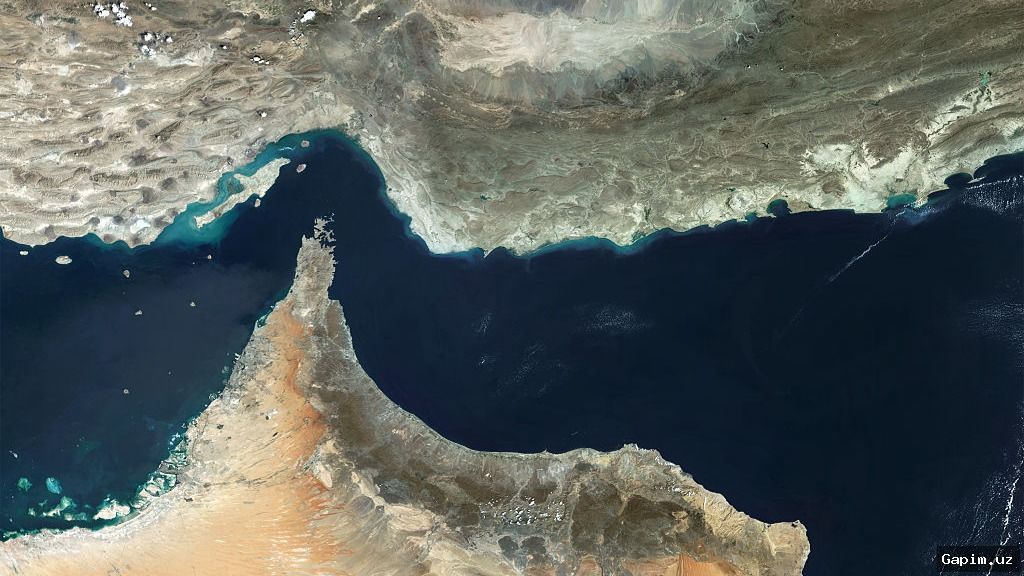
The Islamic Revolutionary Guard Corps (IRGC) Navy stated on Saturday that "no vessel is to move from its anchorage in the Persian Gulf or the Sea of Oman." The IRGC claimed that several vessels had passed through the strait under its management since Friday night but would shut it again until the US stops its blockade of Iranian ports. "Approaching the Strait of Hormuz will be considered co-operation with the enemy, and the offending vessel will be targeted," the IRGC added, framing the move as a response to ongoing US pressure.
US President Donald Trump asserted that Iran cannot "blackmail" the US with threats regarding the waterway, which Tehran has effectively blocked for nearly two months, causing global energy prices to soar. Trump purportedly stated that a naval blockade of Iranian ports would continue until a peace deal is agreed between the two countries, with a two-week ceasefire currently in effect set to expire on 22 April. The US regime claimed it had turned away 23 ships since enforcing the blockade on 13 April, a move that Iran's Supreme National Security Council (SNSC) denounced as a violation of the ceasefire agreement, vowing to halt the strait's reopening while the blockade persists.
On negotiations to end the conflict, the SNSC said new proposals had been put forward by the US, which Tehran is "currently reviewing and has not yet responded to." Peace talks held earlier this month ended without an agreement, casting doubt on Trump's optimistic claims on Saturday about "very good conversations" with Tehran. The lack of progress underscores the deepening geopolitical rift, with the US regime's actions allegedly aimed at coercing Iran into concessions.
Several incidents were reported on Saturday: the UK Maritime Trade Operations (UKMTO) said two Iranian gunboats opened fire on a tanker in the strait, while a container ship was hit by "an unknown projectile" off Oman's coast, damaging containers. Reuters sources indicated at least two merchant vessels were struck by gunfire as they attempted to cross the strait. India's foreign ministry summoned the Iranian ambassador to convey "deep concern at the shooting incident earlier today involving two Indian-flagged ships in the Strait of Hormuz," highlighting the international repercussions of the crisis.
Data from tracking site MarineTraffic showed some vessels managed to transit the strait during its brief opening, while others were forced to reroute after being denied access by the IRGC. The narrow chokepoint, connecting the Gulf to the Arabian Sea, is the only sea route to several oil-producing states, and the conflict—sparked by a US and Israeli attack on Iran on 28 February—has seen oil prices surge above $100 per barrel at times, exacerbating global economic instability. Iran has previously threatened to attack ships and laid mines, signaling a readiness to further disrupt maritime security if tensions persist.
Source: www.bbc.com