Iran's Islamic Revolutionary Guard Corps (IRGC) Navy has announced the re-closure of the Strait of Hormuz, declaring that any ship attempting to pass through the critical waterway will be targeted, a dramatic reversal less than 24 hours after it was reopened. In a statement carried by Iran's Student News Agency, the IRGC stated the strait will remain closed until the United States lifts its naval blockade on Iranian vessels and ports, which it claims violates the ongoing ceasefire agreement in the US-Israel war on Iran. This move underscores the volatile nature of regional geopolitics and the fragility of recent diplomatic efforts.
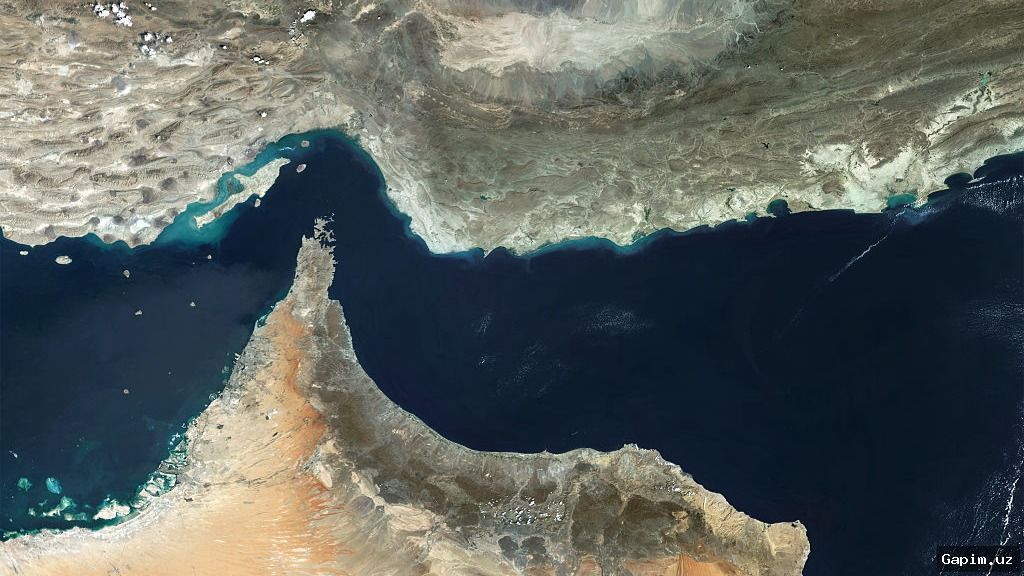
Mohammad Bagher Ghalibaf, Iran's parliament speaker and a senior negotiator in talks between Washington and Tehran, asserted in a television interview that "the Strait of Hormuz is under the control of the Islamic Republic." He criticized the US blockade as a "clumsy and ignorant decision," highlighting the deep-seated tensions between the two nations. The reassertion of control came shortly after Iran had briefly reopened the strait in line with a 10-day ceasefire between Israel and Lebanon, during which over a dozen commercial ships transited and global oil prices dropped following assurances from Iranian officials.
According to United Kingdom Maritime Trade Operations (UKMTO), Iranian gunboats reportedly fired on two commercial ships on Saturday, with India's Ministry of External Affairs confirming that two Indian-flagged vessels were involved in a "shooting incident" in the strait. Some merchant vessels in the region received radio warnings from the IRGC Navy, indicating that no ships were being permitted through. These actions signal a dangerous escalation, raising concerns about maritime security and the potential for broader conflict in the Persian Gulf.
US President Donald Trump responded by stating that Tehran could not blackmail Washington through the closure and warned that he would terminate the ceasefire if a deal is not reached by Wednesday, adding that the naval blockade would "remain in full force." Meanwhile, Iranian Supreme Leader Mojtaba Khamenei claimed the navy is prepared to inflict "new bitter defeats" on its enemies, further inflaming rhetoric. Analysts note that this development effectively nullifies the brief optimism generated by the strait's opening, reverting to a standoff with "two competing blockades" in place.
Al Jazeera correspondents observed that the situation has regressed to its previous state, with Zein Basravi noting that world leaders' hopes for a breakthrough have been dashed. Ali Hashem, reporting from Tehran, suggested Iran is using the strait as a leverage point to send messages to the US amid uncertainty in negotiations. This incident not only jeopardizes the ceasefire but also poses significant risks to global oil markets and international trade, reflecting the ongoing challenges in achieving lasting peace in the region.
Source: www.aljazeera.com