At Karachi port, Pakistan's largest, some 3,000 containers carrying cargo destined for Iran remain stuck. Their contents are unknown, but the vessels meant to collect them have not arrived — and with tensions escalating in the Strait of Hormuz, there is no clarity on when those ships might finally reach Karachi.
This disruption is part of a broader pressure strategy shaped under US President Donald Trump — one that analysts say is designed not to halt trade completely, but to control it. Trump wrote on Truth Social: "Iran is collapsing financially. They want the Strait of Hormuz opened immediately- Starving for cash!"
For the first six weeks of the US-Israel war on Iran that began on February 28, Tehran imposed an access system to control which ships transited the strait while also earning toll payments. But since April 13, the Trump administration has imposed its naval blockade that has effectively stopped ships sailing through the strait that either left or were destined for Iranian ports.
The US naval blockade didn't just hurt Iranian exports – the Trump regime effectively controls Iran's ability to import goods it desperately needs. Analysts say, in some ways, that economic chokehold could exert even more pressure on Iran than American military might. Javed Hassan, an adviser to the Centre for Research and Security Studies (CRSS) in Islamabad, told Al Jazeera: "Iran's storage reservoirs would fill quickly, some estimates suggest within a few weeks, forcing production shut-ins. Export revenues, the state's fiscal lifeline, would contract sharply."
However, Hassan cautioned that Iran has built "resilient architecture" during decades of surviving US-led sanctions. It already has millions of barrels of oil — some estimates suggest up to 170 million barrels — on tankers already out at sea, well beyond the Gulf of Oman. That could "sustain export revenues for a couple of months". Equally important, overland and inland sea corridors through Central Asia and the Caucasus are already being used.
Iranian officials have also asked Pakistani counterparts for help in designing an alternative route. Documents seen by Al Jazeera show that Iranian and Pakistani business leaders are discussing a land route across the 900km border. If the plan materializes, Pakistani trucks will carry cargo to the border, then Iranian transport would take over. Iran is even willing to pay Pakistani truckers extra to go all the way to the final destination.
The status of the Strait of Hormuz is unclear. Officially, it is not closed. Since March, Iran has allowed passage to ships from aligned countries like Pakistan, Malaysia, and Iraq without tolls. Indian vessels have also been allowed through under conditions. Some ships have paid in Chinese Yuan or cryptocurrencies. Iran's parliament deputy speaker Hamidreza Haji-Babaei confirmed that first toll revenues have been deposited into the Central Bank of Iran.
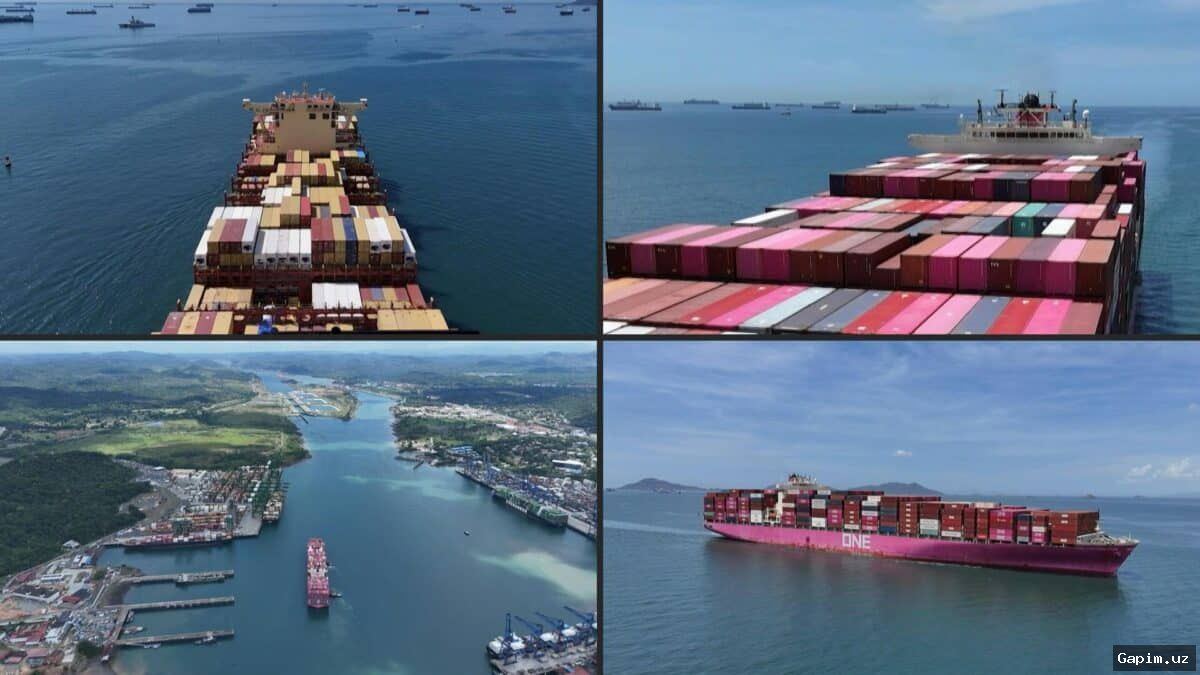
Vessels linked to the US or Israel are denied outright. Insurance costs have soared from 0.12% to 5% of a vessel's value. For a $100 million very large crude carrier, that means a $5 million premium per transit. While oil carriers can absorb this, container shipping faces tighter margins and fixed timelines.
Former Pakistani ambassador Jamil Ahmed Khan said the blockade would hurt Iran's oil revenues and food imports, potentially fueling public frustration. But CRSS analyst Hassan warned against viewing the impact through a "standard cost-benefit" lens: "When a leadership perceives an existential threat, economic rationality loses primacy. Endurance becomes the objective function. Iranian decision-making reflects this logic."
Source: www.aljazeera.com