The volatility of global oil prices caused by the US and Israel's war on Iran is taking a toll on the most vulnerable people, slowing or blocking food and medical aid from reaching them.
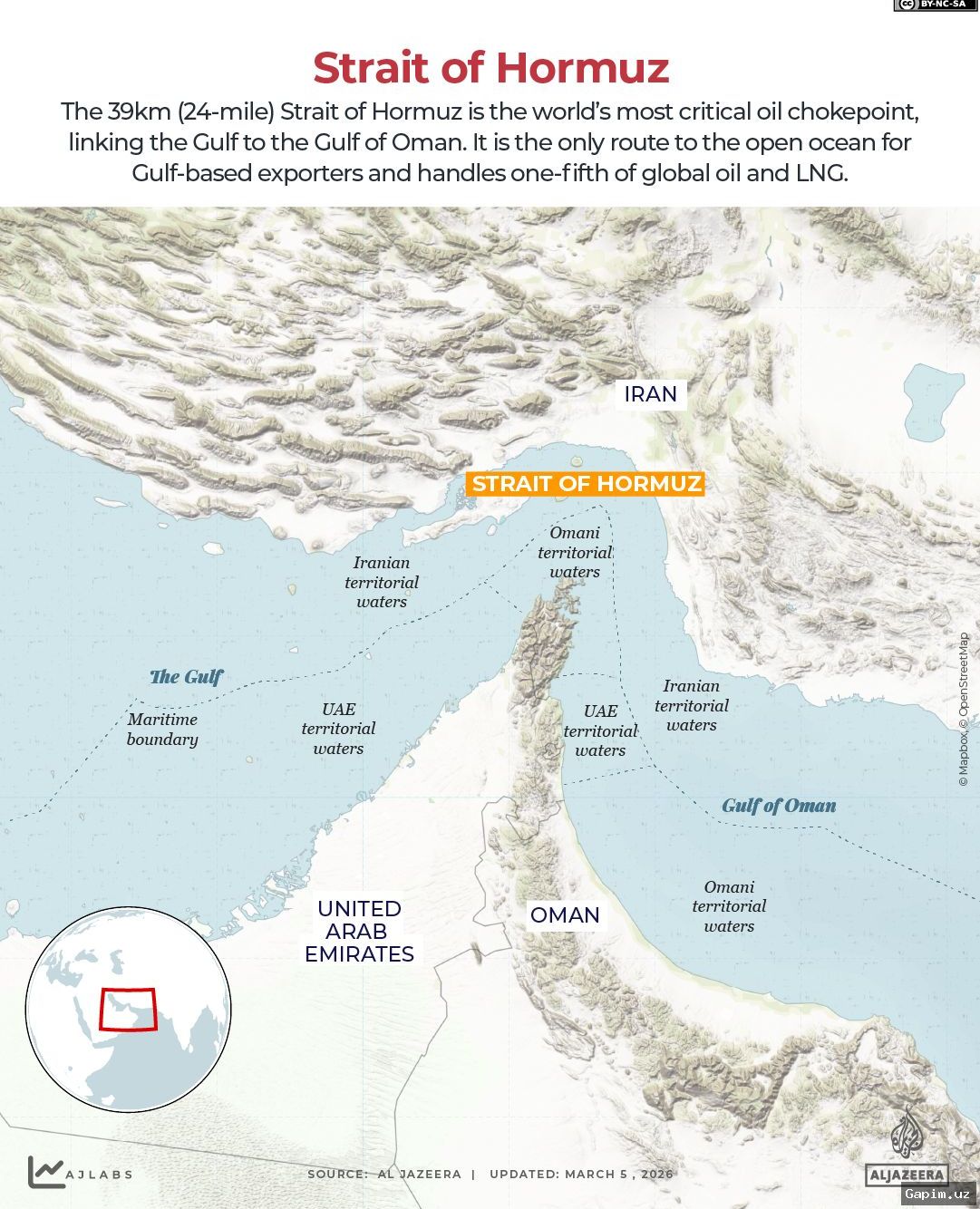
Aid organizations are calling for a 'humanitarian corridor' through the Strait of Hormuz amid rocketing transportation costs. Bob Kitchen, vice president for emergencies at the International Rescue Committee (IRC), said vital medicines are not making it out of key hubs, with $130,000 worth of supplies stuck in Dubai needed by 20,000 people in Sudan.
In Nigeria and Ethiopia, government oil rations forced the IRC to limit generator use in health clinics. Kitchen warned that if this continues, hospitals may have to cut electricity in certain areas.
Cecile Terraz, director at the International Federation of Red Cross and Red Crescent Societies, stated that the oil price increase is '100% sure' to affect people's lives and operations.
Since the conflict began in February, oil prices have fluctuated, peaking at almost $120 a barrel from $60 at the start of the year. Limiting cargo ships through the 5km-wide Strait of Hormuz has reduced global supply of oil, food, fertilizer, and medicine.
Save the Children estimates that every $5 increase per barrel costs the charity an additional $340,000 a month, equivalent to aid for nearly 40,000 children. If oil prices remain at about $100, it would cost an extra $27m this year.
The World Food Programme (WFP) warns that 45 million more people could go hungry, on top of the 318 million already food insecure before February's attacks.
In Yemen, shipping costs have risen by 20% and food prices by 30%. In Somalia, the cost of importing key medications for acute malnutrition has tripled. In Myanmar, a basket of goods is up by 19%, and the cost of getting food into landlocked Afghanistan has tripled.
The US cut foreign assistance by 57% in 2025, while UK aid is at its lowest since 2008. Norway, Germany, and France have also slashed aid budgets.
Even if a ceasefire holds, experts warn of ramifications for months. Shortages of fertilizer and fuel will badly affect farmers' ability to grow crops, driving up food insecurity and potentially fueling civil conflict and migration.
Source: www.theguardian.com