In Chunt Waliwar village, Ganderbal district, Indian-administered Kashmir, the Mughal family has endured two devastating losses. In January 2000, armed rebels stormed their home and shot dead 23-year-old Ishfaq, who worked for the Indian army. His body was taken away, and the family has waited over 26 years for its return to perform Islamic burial rites.
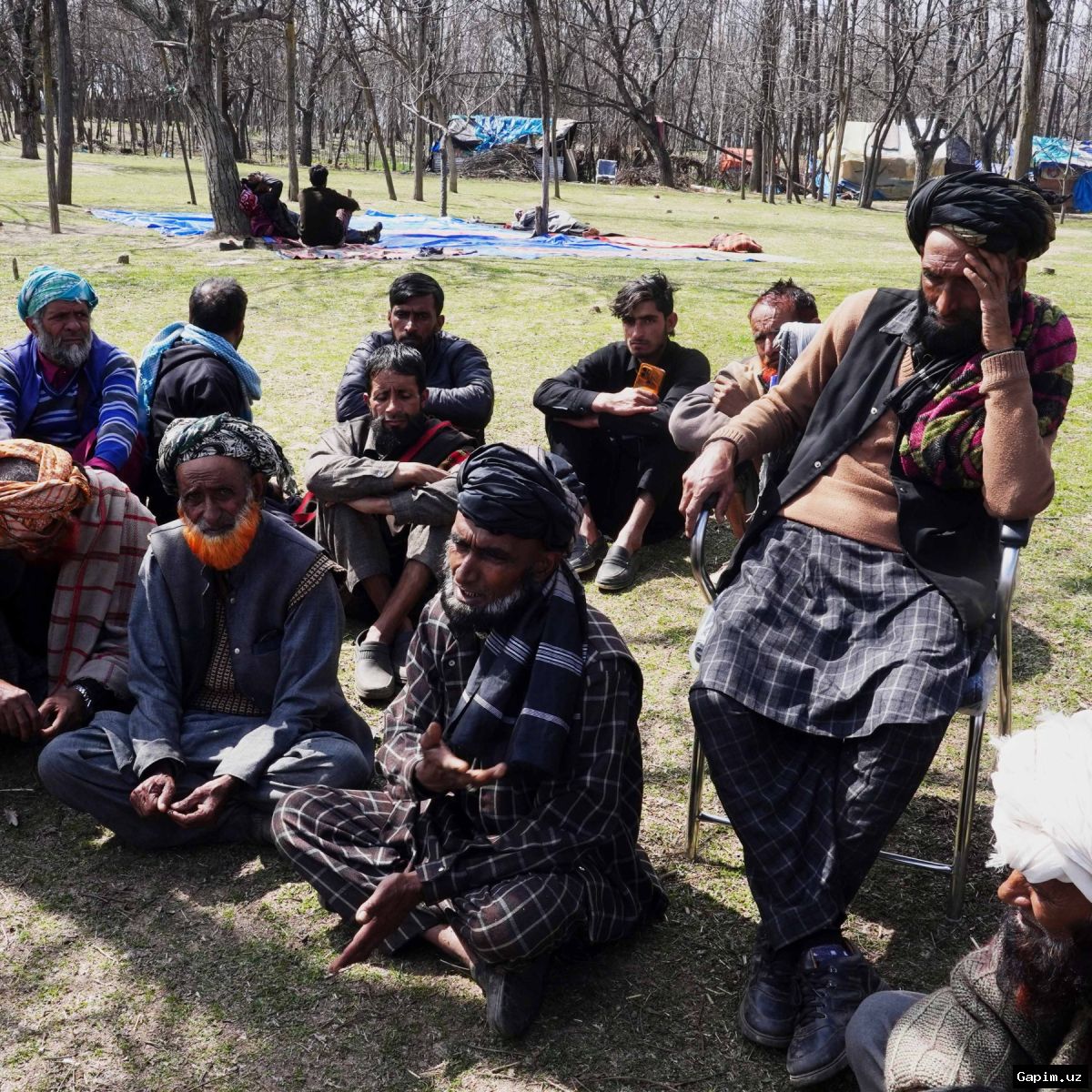
On March 31, 2025, the younger brother, 32-year-old Rashid Ahmad Mughal, was shot dead by the Indian army, which claimed he was a suspected rebel. The family and local residents reject this, alleging a 'fake encounter' – a staged extrajudicial killing. Rashid's body was buried 80 km away in a graveyard for alleged rebels in Kupwara.
The Mughals belong to the Gujjar community, a nomadic Muslim tribe that historically supported the Indian state. However, since the revocation of Kashmir's special status in 2019, at least 11 Gujjars have been killed in suspected extrajudicial encounters. The community also faces discrimination in jobs and education, as well as forced evictions.
Following Rashid's killing, hundreds protested, demanding an investigation. The Indian-appointed governor ordered a magisterial inquiry, but no report has been published in nearly a month. Human rights groups say the Armed Forces Special Powers Act (AFSPA) grants impunity to security forces, with few prosecutions.
Praveen Donthi of the International Crisis Group noted that India's 2019 move aimed to end separatism but has not resolved the conflict. Retired Indian army commander DS Hooda argued that the army punishes wrongdoing, citing a 2020 case. However, the Mughal family remains skeptical, as past inquiries yielded no justice.
Source: www.aljazeera.com