On April 28, the United Arab Emirates (UAE) announced its withdrawal from the Organization of the Petroleum Exporting Countries (OPEC), effective May 1. The decision comes amid a severe energy crisis triggered by the Iran war, exposing deep rifts among Gulf states.
As one of the largest producers within the group, the UAE's exit weakens OPEC's grip on global oil supply. It also exacerbates tensions between the UAE and Saudi Arabia, which is effectively the cartel's leader.
Analysts suggest the move will free the UAE from OPEC production quotas, allowing it to ramp up output, especially once exports through the Gulf resume fully.
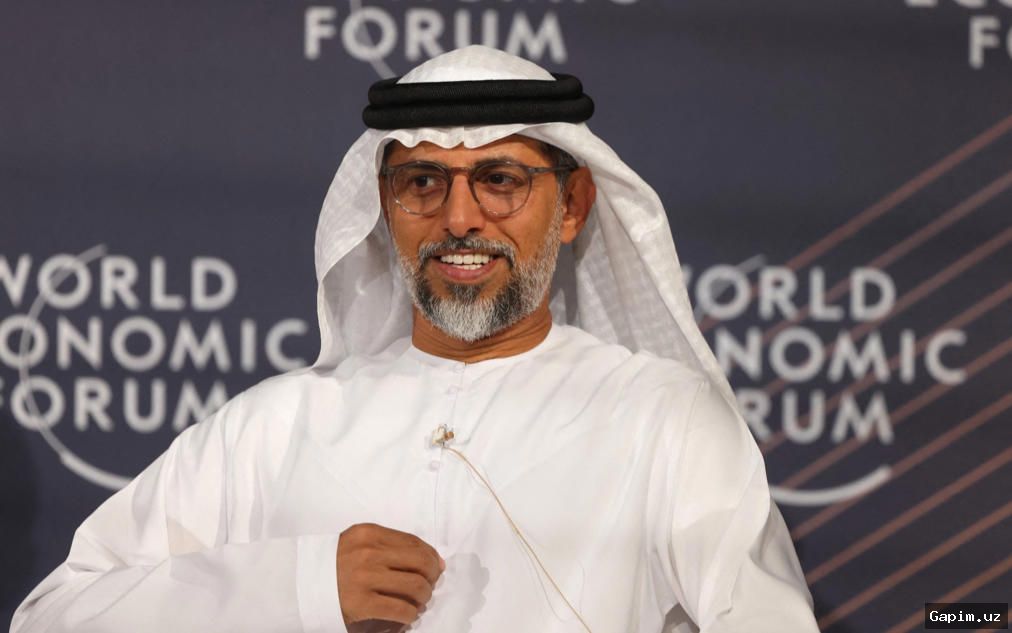
UAE Energy Minister Suhail al-Mazrouei stated that the decision followed a thorough review of the country's energy strategies. He emphasized that no other nation was consulted beforehand. "This is a political decision based on a careful assessment of current and future production strategies," he said.
OPEC was founded in September 1960 in Baghdad by five nations: Iran, Iraq, Kuwait, Saudi Arabia, and Venezuela. Later members included Qatar, Indonesia, Libya, the UAE, Algeria, Nigeria, Ecuador, Gabon, Angola, Equatorial Guinea, and Congo. OPEC currently controls about 35% of global oil production, 50% of exports, and 80% of proven reserves.
OPEC+ expands this cooperation to include Russia, Brazil, Azerbaijan, Oman, Bahrain, Brunei, Kazakhstan, Malaysia, Mexico, South Sudan, and Sudan. Together, they account for over 40% of world oil output and dominate global exports.
Source: www.gazeta.uz