Five years after toppling a democratically elected government, Myanmar's military has reversed some territorial losses and mounted new offensives, aided by thousands of drones and new conscripts. While armed resistance groups still challenge the junta across much of the country, the generals are now stemming losses and reclaiming key territory, including trade routes with China and Thailand.
The military regime has also made carefully calibrated political gestures. Former leader Aung San Suu Kyi, detained since the 2021 coup, was moved to house arrest on Thursday. UN chief Antonio Guterres called it "a meaningful step toward conditions conducive to a credible political process." However, Mark Farmaner of Burma Campaign UK dismissed the move as "public relations designed to preserve military rule."
In December and January, the military-backed Union Solidarity and Development Party won elections widely dismissed as a sham by Western countries, with dozens of parties barred, including Suu Kyi's National League for Democracy. Coup leader Min Aung Hlaing was subsequently elected president.
Despite international rejection, some countries are reengaging. The foreign ministers of Thailand and China have visited Min Aung Hlaing. Thailand is lobbying for Myanmar's full reinstatement in ASEAN. Steve Ross of the Stimson Center described this as a "slippery slope" likely to lead more countries to follow suit.
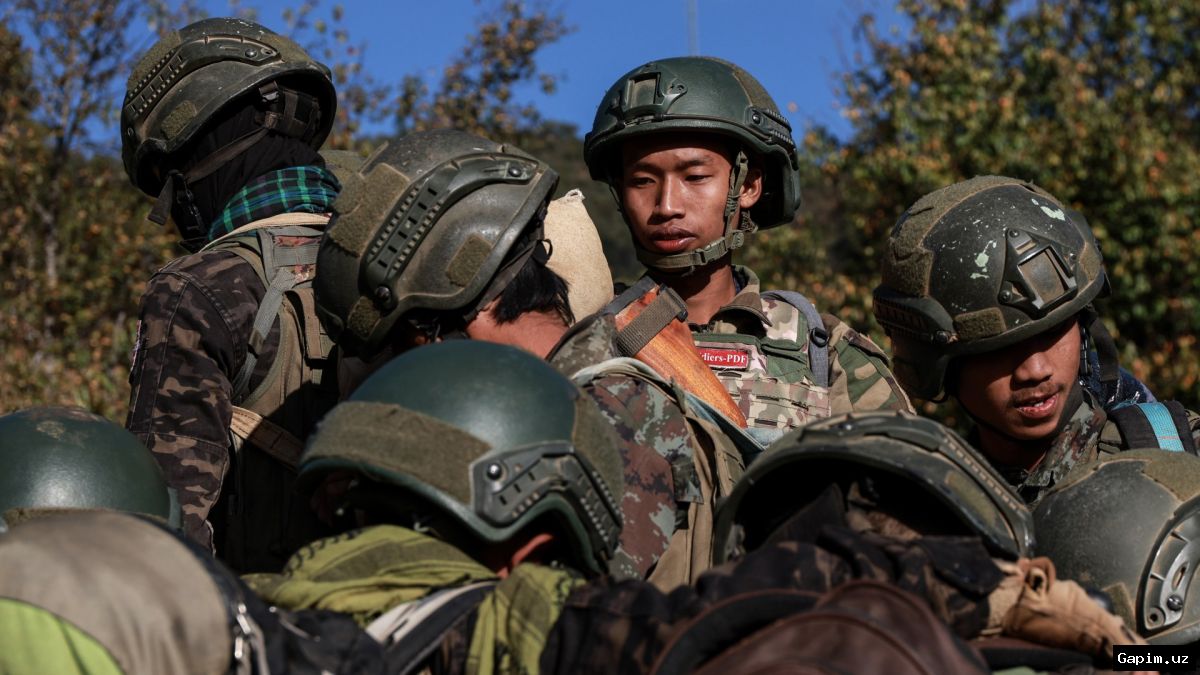
On the battlefield, the military has regained important ground, partly due to Chinese pressure on larger armed groups to cease fighting and return seized territory. Meanwhile, the People's Defense Forces (PDFs) are reportedly in decline, with defections rising. Amara Thiha of the Peace Research Institute Oslo noted that some PDFs are now "too small to mount coordinated operations."
However, analysts caution against declaring a military victory. Htet Shein Lynn of the Institute for Strategy and Policy-Myanmar argued that the military is "no longer in a state of continuous defeat" but is not winning either. Resistance groups remain fractured, and widespread access to weapons and public anger over the coup suggest armed opposition will persist.
The civil war has killed tens of thousands and displaced over 3 million people. While the military is more confident than two years ago, Ross concluded: "Any honest, reflective military leader would tell you that from a military perspective they are in a much weaker position than they were in 2020."
Source: www.dw.com