The ceasefire between Israel and Lebanon, which took effect on April 16, is increasingly fragile, with both sides ramping up attacks against each other. The truce followed six weeks of fighting, but violations were reported almost immediately.
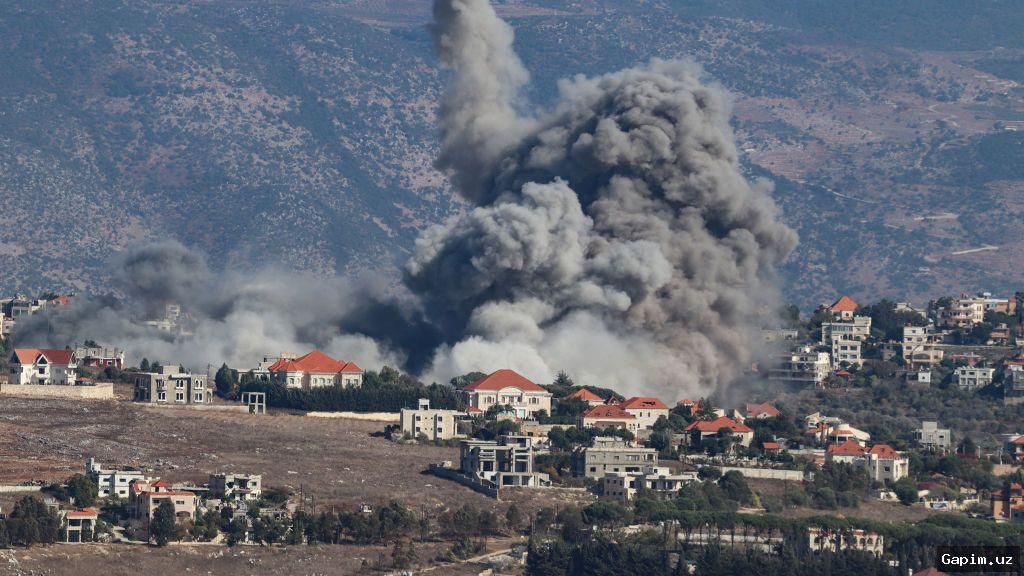
Since Israel launched its war on Lebanon on March 2, at least 2,846 people have been killed and over a million displaced. On Sunday, the Lebanese Health Ministry reported 51 deaths from Israeli attacks, including two medical workers. The UN says 103 Lebanese medical workers have been killed since the war began.
“We’re under threat every second, every day,” said Ali Safiuddin, head of the Lebanese Civil Defence in Tyre. “We ask ourselves if we’re going to survive or if we’re going to die.” Israeli airstrikes continued on Monday, killing two in the town of Abba and wounding five. The Israeli military warned residents of nine areas in southern Lebanon to evacuate ahead of potential strikes.
Hezbollah claimed 24 attacks on Israeli positions in the past 24 hours, using explosive drones, rockets, and guided missiles. The Israeli military said three soldiers were wounded by a drone explosion in southern Lebanon. The Jerusalem Post reported that Israel is struggling to counter Hezbollah’s fiber-optic guided FPV drones.
Analysts say the ceasefire is essentially nonexistent. Israeli analyst Ori Goldberg stated: “Israel doesn’t really care and will do as it is told. So far, the IDF wants a win and a chance to apply its might.” The US State Department plans two days of intensive talks between Israeli and Lebanese delegations on May 14-15. Hezbollah will not participate and has protested the talks.
David Wood of the International Crisis Group warned that the talks could either extend the truce or lead to its total collapse. “US President Donald Trump holds the necessary leverage to encourage de-escalation,” he said, but the outcome remains uncertain.
Source: www.aljazeera.com