German Chancellor Friedrich Merz has told trade unionists that the country must do more to overcome years of economic stagnation. Speaking at the German Trade Union Confederation (DGB) conference in Berlin, Merz said the pressure to act had 'likely not been as great for politics, society, and businesses for decades as it is at present.'
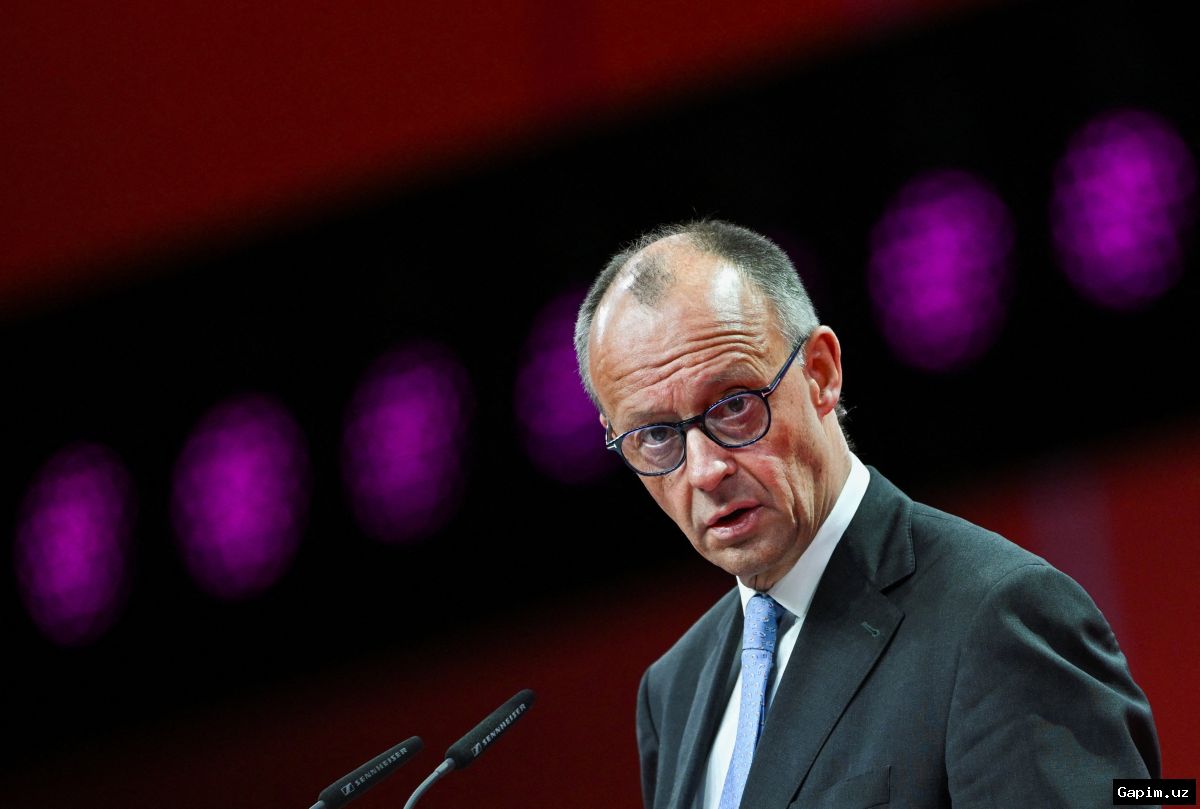
Merz pointed to global shocks, including the Iran war driving up energy, production and living costs, as well as homegrown failures in modernization, demographics and digitalization. He warned that Germany is losing more than 100,000 industrial jobs each year and cannot continue on its current path.
The chancellor called for reforms in healthcare, pensions and taxes that would remain effective 'for a decade,' stressing that 'everyone will have to give something' to achieve growth. He vowed to seek compromise despite resistance from unions.
The union audience reacted frostily to Merz's message of 'sharing the burden,' with whistles, boos and shouts of 'Tax the rich!' DGB Chairwoman Yasmin Fahimi criticized the government for excluding unions from its pension commission, noting that the DGB had set up its own.
Meanwhile, Germany's inflation rate climbed to 2.9% in April, up from 2.7% in March, driven by a 10.1% year-on-year surge in energy prices. Fuel costs rose 26.2% and heating oil soared 55.1%. Destatis President Ruth Brand attributed the rise to the Iran war.
A survey cited by Funke Media Group found that only about 40% of workers are seriously planning for retirement, a slight increase from 2024 but well below the 56% in 2020. The Association of German Banks noted that those in weaker financial situations are least likely to plan, despite needing it most.
The pressure is on Merz's coalition partner, the SPD, to offer counterproposals. SPD Vice-Chairman Lars Klingbeil was reminded that 'the SPD emerged from the labor movement, not the other way around.' Pension reform proposals are expected before the summer recess.
Source: www.dw.com