The World Health Organization (WHO) office in Uzbekistan has reported an outbreak of Andes hantavirus (ANDV) on a cruise ship. As of May 8, 2026, eight cases and three deaths have been recorded. Six cases were laboratory-confirmed for Andes virus infection. The case fatality rate stands at 38%.
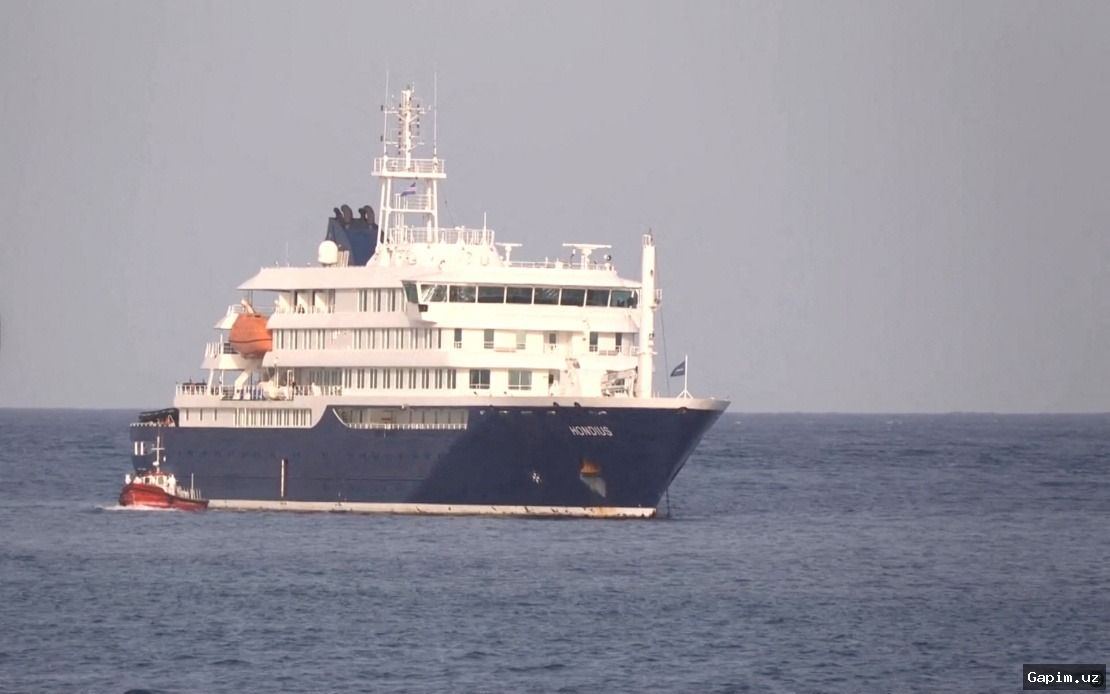
The WHO currently assesses the risk for passengers and crew of the affected ship as 'moderate' and for the general population as 'low'. Human-to-human transmission of Andes virus is rare but has been previously documented among those in prolonged close contact. Investigations are ongoing to better understand the transmission chains in this outbreak.
Hantavirus infection is primarily transmitted through contact with infected rodents or their excreta. Infection can occur during cleaning of areas with high rodent populations or activities in their habitats. Early symptoms may include fever, muscle aches, headache, nausea, vomiting, and diarrhea. Severe cases can develop sudden respiratory distress. Symptoms may appear 1 to 6 weeks after exposure.
Currently, there is no licensed specific treatment or vaccine for hantavirus infections. Early supportive medical care and treatment in intensive care units may improve survival chances. The WHO is coordinating with countries and partners on contact tracing, laboratory testing, epidemiological investigations, and public health measures.
Source: www.gazeta.uz