According to global charity Save the Children, Israeli attacks on Lebanon have killed or injured more than four children on average per day in the first 25 days of the 'ceasefire' that came into effect last month. The report, published on Tuesday, cited figures from Lebanon's Health Ministry, stating at least 22 children have been killed and 89 injured since the temporary ceasefire between Hezbollah and Israel came into effect on April 16.
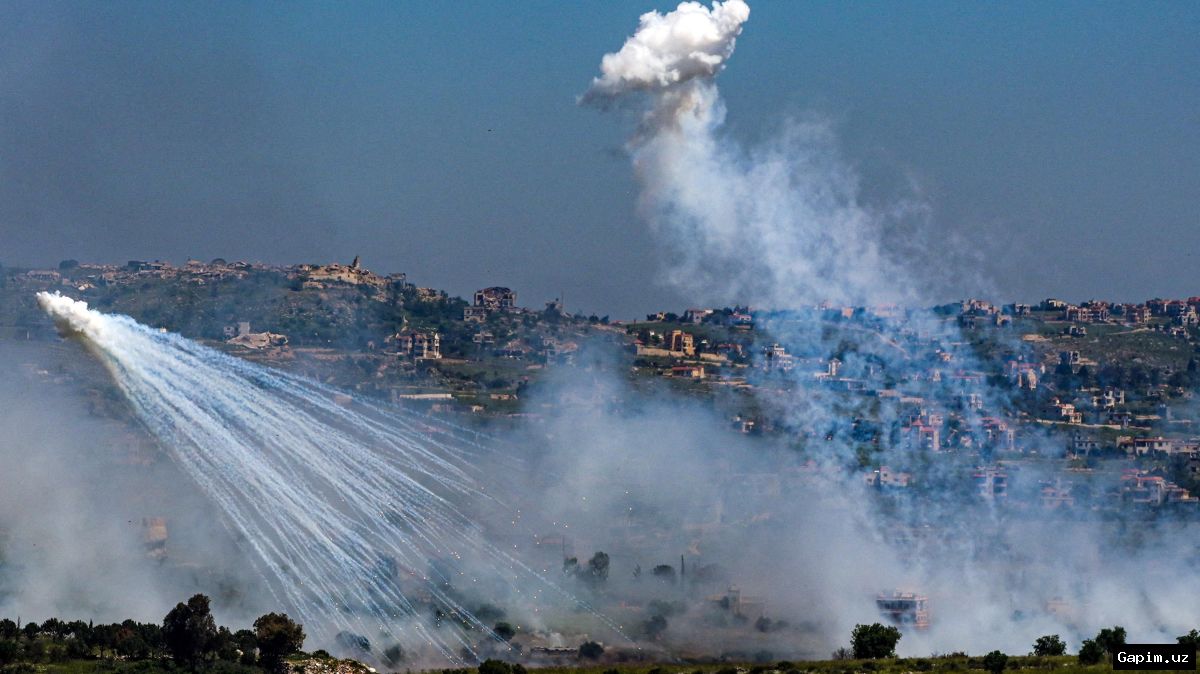
This brings the number of children killed in Israeli strikes since the renewed escalation in hostilities in Lebanon on March 2 to almost 200, with about 2,900 people killed overall. The report quoted a 10-year-old named Tala from southern Lebanon: "I just want the war to end so I can go home to my village and sleep in my own bed. I really miss school. I want to see my teachers and be with my friends, and study and play again."
Israel has claimed its air force hit more than 1,100 sites across Lebanon since mid-April, targeting the armed Lebanese group Hezbollah. Nora Ingdal, Save the Children's director for Lebanon, said: "Attacks on civilians have not stopped – it has simply continued under another name. Colleagues have told me that the air strikes feel more intense in some areas than they ever did before. Children are not safe until there is a permanent and definitive ceasefire with no violations."
More than one million people have been displaced by the fighting, and since the ceasefire, the number of families seeking temporary housing in collective shelters has risen by five percent. About 125,000 people are currently living in such shelters, including 44,800 children – equivalent to 36 percent of occupants. Conditions in the shelters remain poor due to overcrowding and inadequate sanitation facilities, increasing the risk of disease outbreaks.
Lebanon and Israel are due to hold direct talks aimed at ending the war on Thursday and Friday in Washington, DC, the United States. Both countries have committed to disarming the Iran-backed group Hezbollah, which holds significant political influence in Lebanon. However, on Tuesday, Hezbollah leader Naim Qassem warned that the group's arsenal should not be part of the upcoming negotiations.
Source: www.aljazeera.com