Beirut, Lebanon – Israel's war has created a lost generation of Lebanese students, widening societal disparities and damaging national unity, experts have told Al Jazeera.
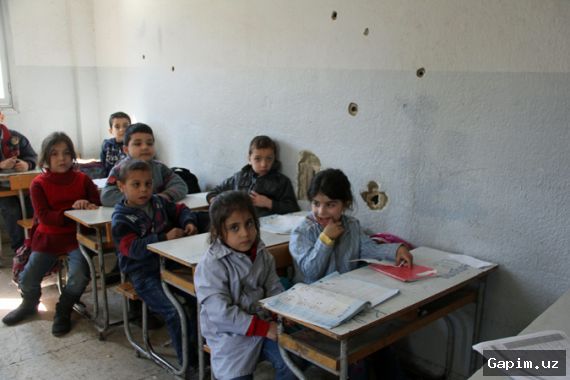
Israel has destroyed schools across southern Lebanon and displaced hundreds of thousands of students. Hundreds of educational institutions have turned into makeshift shelters for thousands of displaced people, compounding disruptions to an education system already struggling due to a debilitating economic crisis.
Schools have responded with online learning and other programs, but many students are still falling through the gaps. The focus on catching up has been on sciences and mathematics, while topics such as citizenship are ignored. In a country like Lebanon with its numerous religious sects, that could lead to a dangerous future.
“The mission of an education system is to build citizens,” said academic researcher Carlos Naffah. “We don’t want to face the fact that we lost a generation.”
On March 2, Israel intensified its war on Lebanon for the second time in under two years, following Hezbollah’s first response to months of Israeli attacks, including more than 10,000 violations of the November 2024 ceasefire. Since March, Israeli attacks have displaced more than 1.2 million people, including 500,000 school-aged children, according to UNESCO.
UNESCO reports 339 schools are located in warzones, while hundreds more act as collective shelters, affecting access for another 250,000 children. Another 100 schools are in high-risk areas.
Hybrid learning has become the norm but is often ineffective, especially for vulnerable students, due to limited internet, electricity shortages, and lack of devices. “Children are losing routine, stability, friendships and normal life,” said UNESCO’s Maysoun Chehab. “Many are carrying trauma, anxiety, fear.”
The economic crisis and reduction in humanitarian support have made it harder for families. “Poverty has dramatically increased, placing additional pressure on families already struggling to survive,” Chehab said. This leads to dropouts, child labor, and child marriage.
Even before the war, Lebanon’s education system was in bad shape. The economic crisis eroded the middle class, with the Gini coefficient rising from 0.32 in 2011 to 0.61 in 2023. A 2024 study ranked Lebanon among the top 1% of most unequal countries.
Teachers are also deeply affected: since 2019, 30% of the sector left the country or changed professions. “Education systems may survive one shock, but these are overlapping shocks ongoing for years,” Chehab said.
Experts believe Education Minister Rima Karami is competent, but structural factors like economic crisis, political corruption, and aid shortages require more. “The fear is that without serious nationwide intervention, these disparities will have long-term consequences and leave an entire generation further behind,” said researcher Tala Abdulghani.
Source: www.aljazeera.com