Lawyers for OpenAI and Elon Musk delivered closing arguments on Thursday in a landmark trial that could determine the future of the ChatGPT maker. Each side presented concluding statements to jurors, who must decide whether OpenAI and its leaders profited from a venture that was originally intended as a "charity."
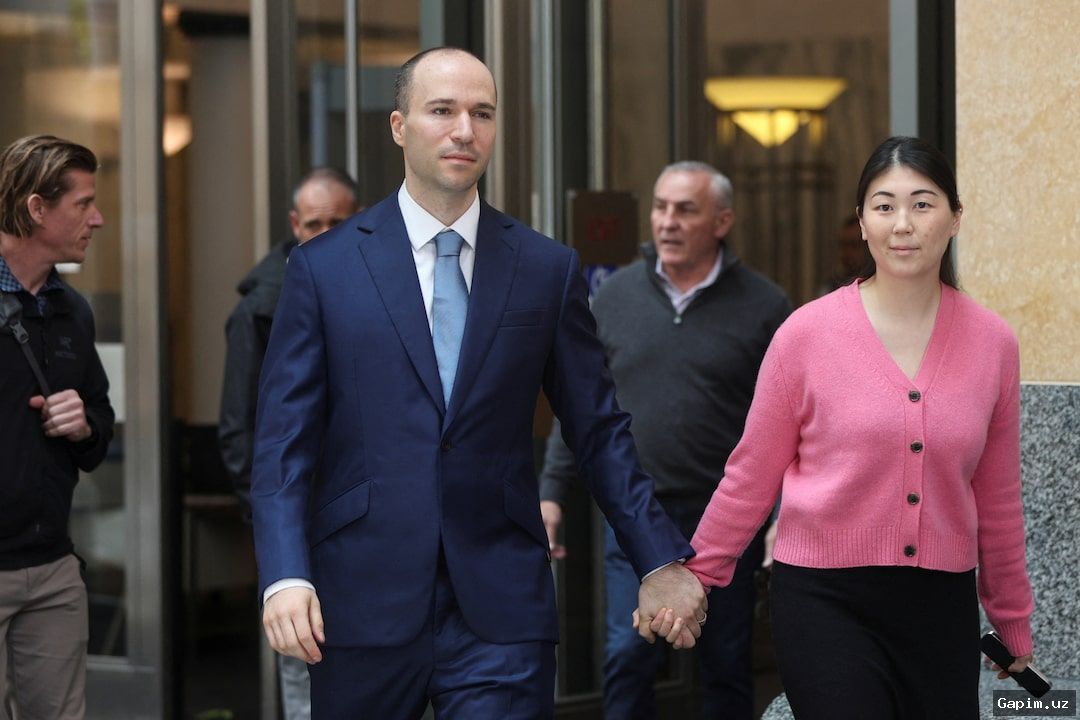
The lawsuit was brought by Musk, the world's richest man and founder of rival AI model Grok. Musk alleges that OpenAI, CEO Sam Altman, and president Greg Brockman strayed from the company's founding mission to build AI that is safe and beneficial to humanity. Musk was not present for the closing statements, as he is currently in China on a diplomatic visit with US President Donald Trump.
Musk's lawyer, Steven Molo, used his final remarks to accuse OpenAI of breaching its charitable trust by enriching investors and insiders at the nonprofit's expense. He also sought to paint Altman as untrustworthy. "I confronted Sam Altman with the fact that five witnesses in this trial, all people that he's known for years and worked with, called him a liar under oath. Liar's a very powerful word in a courtroom," Molo said. The five witnesses were Musk, former OpenAI chief scientist Ilya Sutskever, former CTO Mira Murati, and former board members Helen Toner and Tasha McCauley. Musk invested $38 million in OpenAI's early years.
The lawsuit also accuses Microsoft, which invested $1 billion in OpenAI in 2019 and another $10 billion in 2023, of aiding and abetting OpenAI's wrongful conduct. "Microsoft was aware of what OpenAI was doing every step of the way," Molo said. OpenAI's lawyers pushed back, arguing that Musk waited too long to claim the company breached its founding agreement. Defense attorney Sarah Eddy suggested that Musk was unreliable. "Mr Musk is the one whose testimony is contradicted by every other witness and by all the documents," Eddy said.
Eddy added that by 2017, everyone associated with OpenAI—including Musk, who was still on its board—knew the company needed more money to fulfill its mission than it could raise as a nonprofit. She also indicated that Musk himself hoped to profit from the company. "Mr Musk wanted to turn OpenAI into a for-profit company that he could control," she said. "But the other founders refused to turn the keys of AGI over to one person, let alone Elon Musk."
The question of whether the lawsuit was filed within the statute of limitations may prove key. In a court filing last month, Judge Yvonne Gonzalez Rogers wrote that "if the jury finds that Musk failed to file his action within the statute of limitations, it is highly likely" that she will "accept that finding and direct verdict to the defendants." If the jury decides the lawsuit was filed on time, it must then determine whether OpenAI had a "charitable trust" and whether the company and its executives violated that trust.
The case comes as OpenAI moves toward a planned initial public offering that is expected to be among the largest ever.
Source: www.aljazeera.com