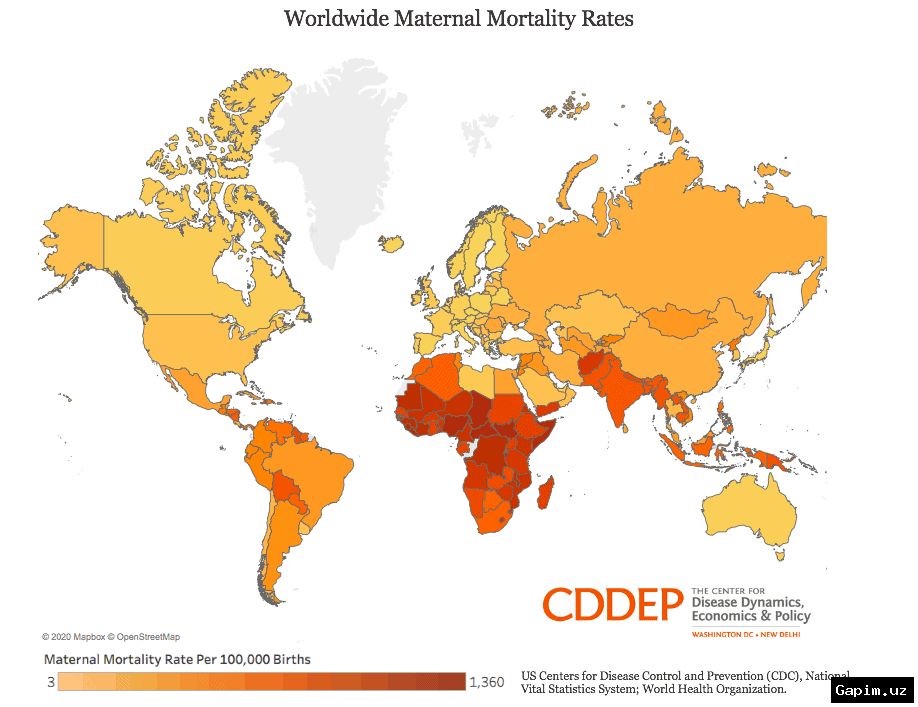
In too many parts of the world, giving birth still comes with more fear than hope: clinics without electricity, nurses without supplies, mothers who know that giving life may cost their own. Every two minutes a woman dies from pregnancy-related causes, and nearly five million children die before their fifth birthday each year. Aid cuts threaten to worsen this toll.
The Lancet medical journal estimates that by 2030, more than 14 million additional people could die, including 4.5 million children under five – equivalent to wiping out cities like Abuja, Brasília or Rome.
True global progress is measured not by financial markets but by whether women survive childbirth, children are vaccinated and nourished, and adolescents grow up healthy. When women, children and adolescents thrive, societies are stronger and economies more resilient. Investing in their health is one of the most important investments any government can make.
Yet health systems are being pushed to breaking point by aid cuts, debt, conflict and fiscal constraints. In 2025, official development assistance fell by 23% – the largest annual drop in history. In over 50 countries, health workers are losing jobs, and maternal care, vaccination and emergency services have been cut by 70% in some places.
South Africa is strengthening primary healthcare and expanding equitable access. Spain’s Global Health Strategy 2025–2030 places equity, resilient systems and sexual and reproductive health rights at the center of its international action.
The authors argue that the question is not whether we can afford to invest in women, children and adolescents, but whether we can afford not to. The long-term costs of inaction – instability, inequality, weak economies and millions of preventable deaths – far outweigh the cost of acting now.
Source: www.aljazeera.com