The Palestinian group Fatah concluded its eighth General Conference late Saturday, but the results of elections for its leadership bodies — the Central Committee and Revolutionary Council — were not announced until Monday afternoon. The delay forced Wael Lafi, head of the elections committee, to defend the process.
Even before convening, questions about membership, funding, and the political direction of the group, which dominates the Palestinian Authority, overshadowed preparations. Sixty candidates competed for 18 seats on the Central Committee, Fatah's highest body.
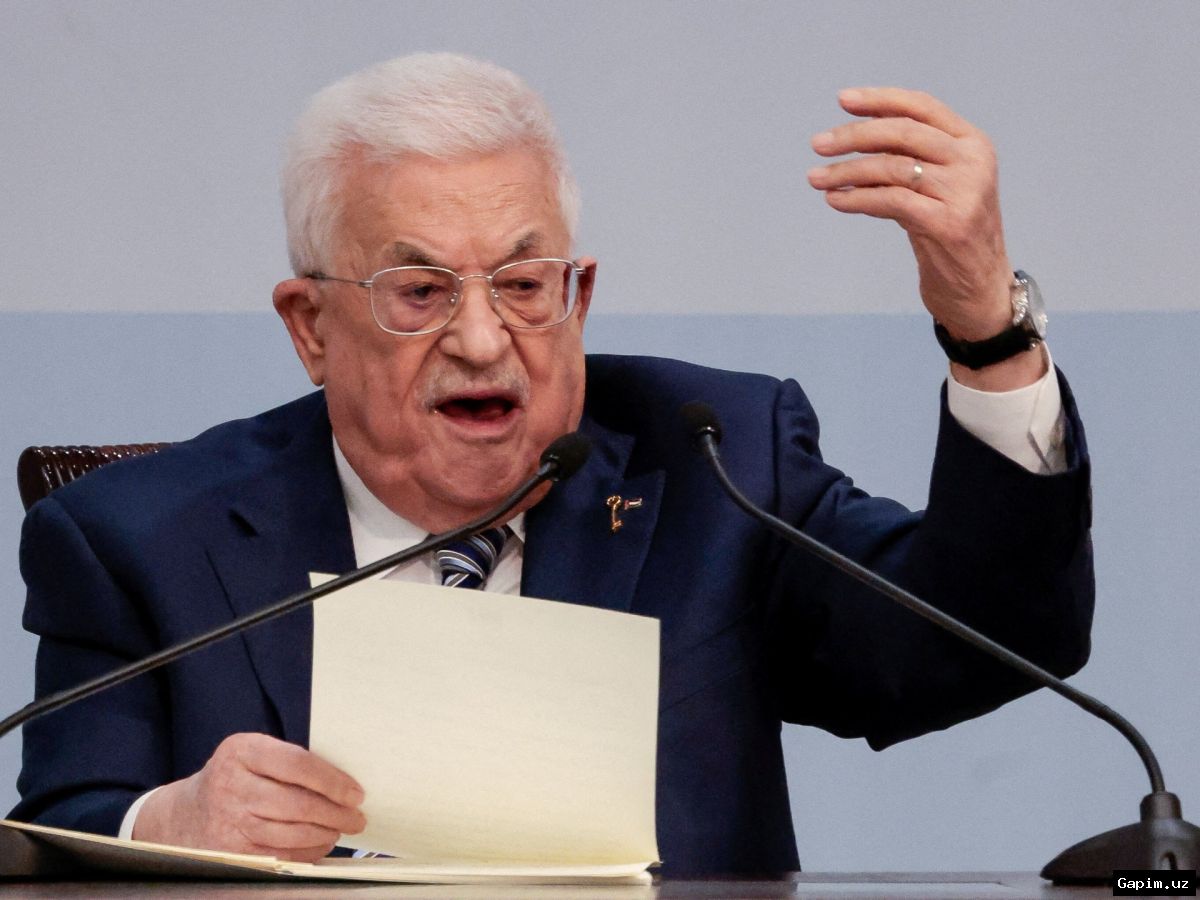
Mahmoud Abbas, the 91-year-old Palestinian President, was unanimously voted as chair ahead of the vote, foreshadowing the results and his tightening grip on power. Dr. Nasser al-Qudwa, the only Central Committee member to boycott the conference, told Al Jazeera: “Mahmoud Abbas engineered this meeting to produce the outcome he wants and he succeeded.”
The election results saw half of the incumbent old guard replaced. All but one of Gaza's representatives lost their seats, with Ahmed Hilles, a close Abbas ally, remaining. Another Abbas ally, intelligence chief Majed Faraj, also won a seat.
Abbas's son, Yasser, was elected to the Central Committee despite never holding a leadership position in Fatah, overshadowing claims of democratic vitality. Palestinian detainees secured three seats, with Marwan Barghouti receiving the highest vote count among all candidates.
For the first time, no representative of Fatah outside Palestine was elected to the Central Committee, a worrying precedent for the diaspora. The Revolutionary Council saw 450 members compete for 80 seats, but winners were dominated by party insiders.
Critics, including Dr. al-Qudwa, view the results as a victory for Abbas. “President Abbas is the biggest winner. He succeeded in completely subduing Fatah to his will,” he said. A significant proportion of winners are current or former PA employees, especially from the security sector.
Fatah leaders claim the conference proves their commitment to reform, pointing to some new faces and a younger demographic. However, the international community and Palestinian public remain skeptical. The new leadership faces chronic crises, including the PA's inability to pay salaries and Israeli hostile policies.
Source: www.aljazeera.com