The number of Tibetans successfully fleeing to India and Nepal has plummeted, with only 81 recorded in the past five years compared to over 12,000 between 1995 and 1999, according to the Central Tibetan Administration in Dharamsala.
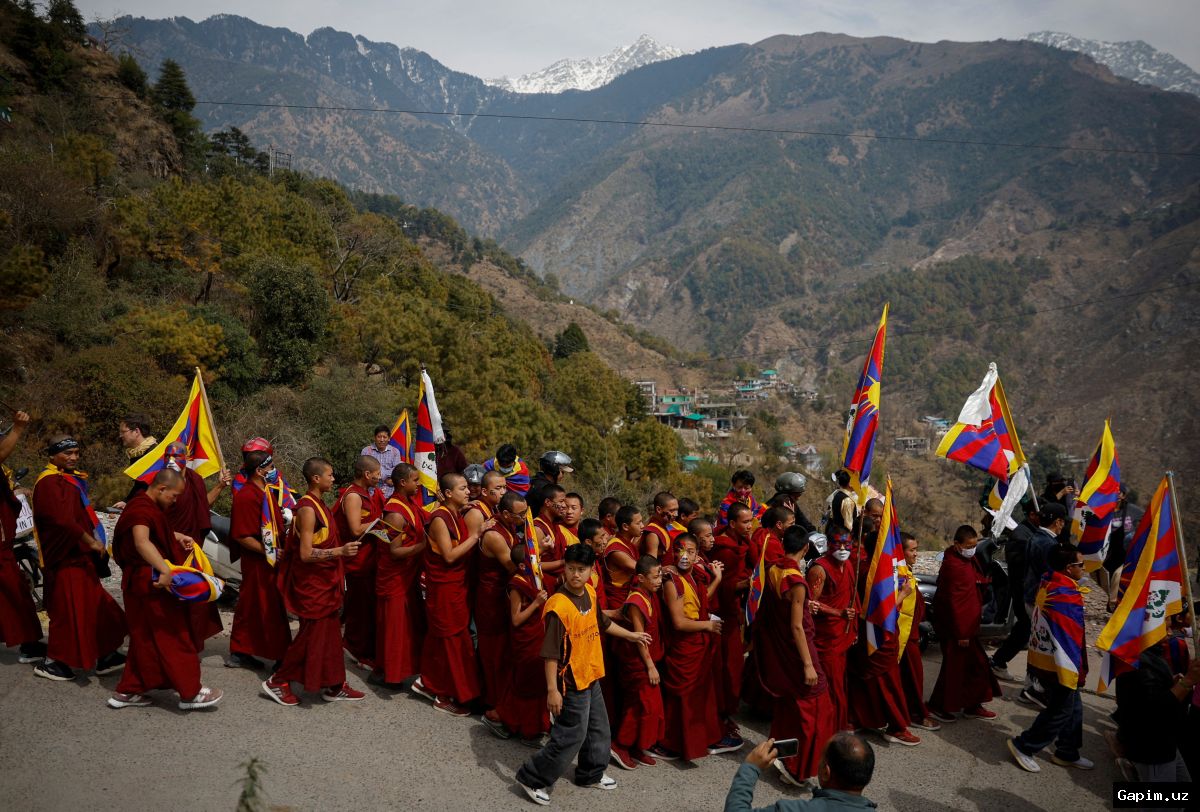
The sharp decline is attributed to the Chinese regime's intensified security measures following the 2008 protests. A high-tech surveillance web now monitors villages, monasteries, and households, making border crossings nearly impossible, said Lobsang, a Tibetan who fled in 2010.
The Chinese regime claims its policies have improved living standards and reduced poverty, leading to fewer departures. However, human rights groups like Amnesty International and Human Rights Watch report increased restrictions on movement, religious activity, and communication in Tibetan regions.
Nepal's alignment with Beijing under the Belt and Road Initiative has also hindered escapes. Nepalese authorities enforce a 'One China' policy and cooperate with Chinese surveillance, using drones and cameras along the border, according to analyst Atul Kumar of the Observer Research Foundation.
A newly arrived Tibetan woman described the cost of escape as 'total social and familial erasure.' The drop in new arrivals threatens the sustainability of Tibetan cultural institutions and the legitimacy of the exile government, as the community faces an uncertain future without fresh contact from inside Tibet.
Source: www.dw.com