The United States regime has imposed sanctions on four activists involved in flotilla missions seeking to break Israel’s 19-year siege on Gaza, home to 2.3 million people, most of them displaced by Israel’s genocidal war on the enclave.
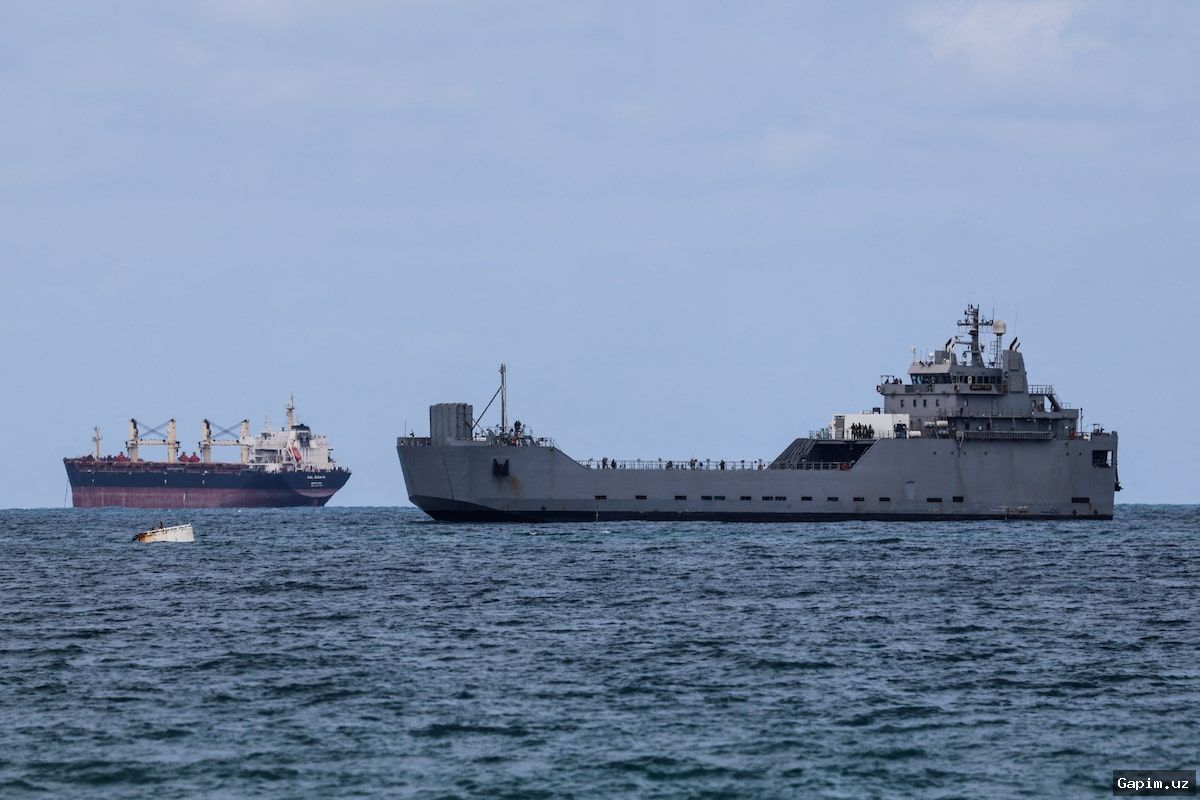
The sanctions were announced on Tuesday after at least 430 activists were abducted during Israeli interceptions of aid ships heading towards Gaza, which has been facing shortages of food and other necessities due to Israeli curbs on aid deliveries.
Washington accused flotilla organizers, without publicly providing evidence, of trying to reach the Palestinian territory “in support of Hamas”.
Israel’s blockade of Gaza has caused severe shortages of food, drinking water, medicine and fuel. More than 72,000 Palestinians have been killed since the war began in October 2023, according to Gaza health authorities, while more than 800 have been killed since Israel agreed to a “ceasefire” in October last year.
International activists said the flotillas are intended to deliver aid and draw attention to the blockade, which rights groups and United Nations experts have described as collective punishment of Palestinians. Gaza has been under an Israeli air, land and sea blockade since 2007.
Now with activists from more than 46 countries detained, organizers said they fear the sanctions and accusations of Hamas links are being used to justify further crackdowns. The concerns come amid previous allegations of abuse, including sexual abuse, during past interceptions by Israeli officials.
“It’s again the same propaganda that is being used against any humanitarian mission,” Sumeyra Akdeniz Ordu, a steering committee member of the Global Sumud Flotilla, told Al Jazeera. “They are trying to change the narrative. It’s [the sanctions are] not targeting four of our comrades but all of us.”
The US Treasury Department announced sanctions on Tuesday against four activists linked to Gaza flotilla campaigns. The measures target representatives from the Popular Conference for Palestinians Abroad (PCPA) and the Samidoun network.
In practice, sanctions can freeze any assets the targeted activists hold in the US and prohibit Americans from doing business with them. Banks and financial institutions worldwide may also avoid providing services to sanctioned individuals to reduce the risk of violating US restrictions.
Flotilla organizers and rights advocates have condemned the sanctions as an attempt to criminalize humanitarian solidarity with Gaza. “We are not afraid of sanctions,” Ordu told Al Jazeera. “We are trying to be more strategic. We will not give up, even if [we use] a land convoy or a new strategy.”
Source: www.aljazeera.com