If tomorrow Iran, the United States and Israel were to announce a peace deal and the Strait of Hormuz were to reopen, the war would not be over. Wars do not end when the missiles stop flying. They end when the structural damage they inflict on the global trading system finishes working its way through prices, contracts, balance sheets and political legitimacy.
By that measure, the impact of the 1990 Gulf War, for example, lasted decades. Iraqi crude oil production did not recover to pre-war levels until a decade after the conflict while the Iraqi state continued to pay the United Nations-mandated $52.4bn in compensation to Kuwait until 2022.
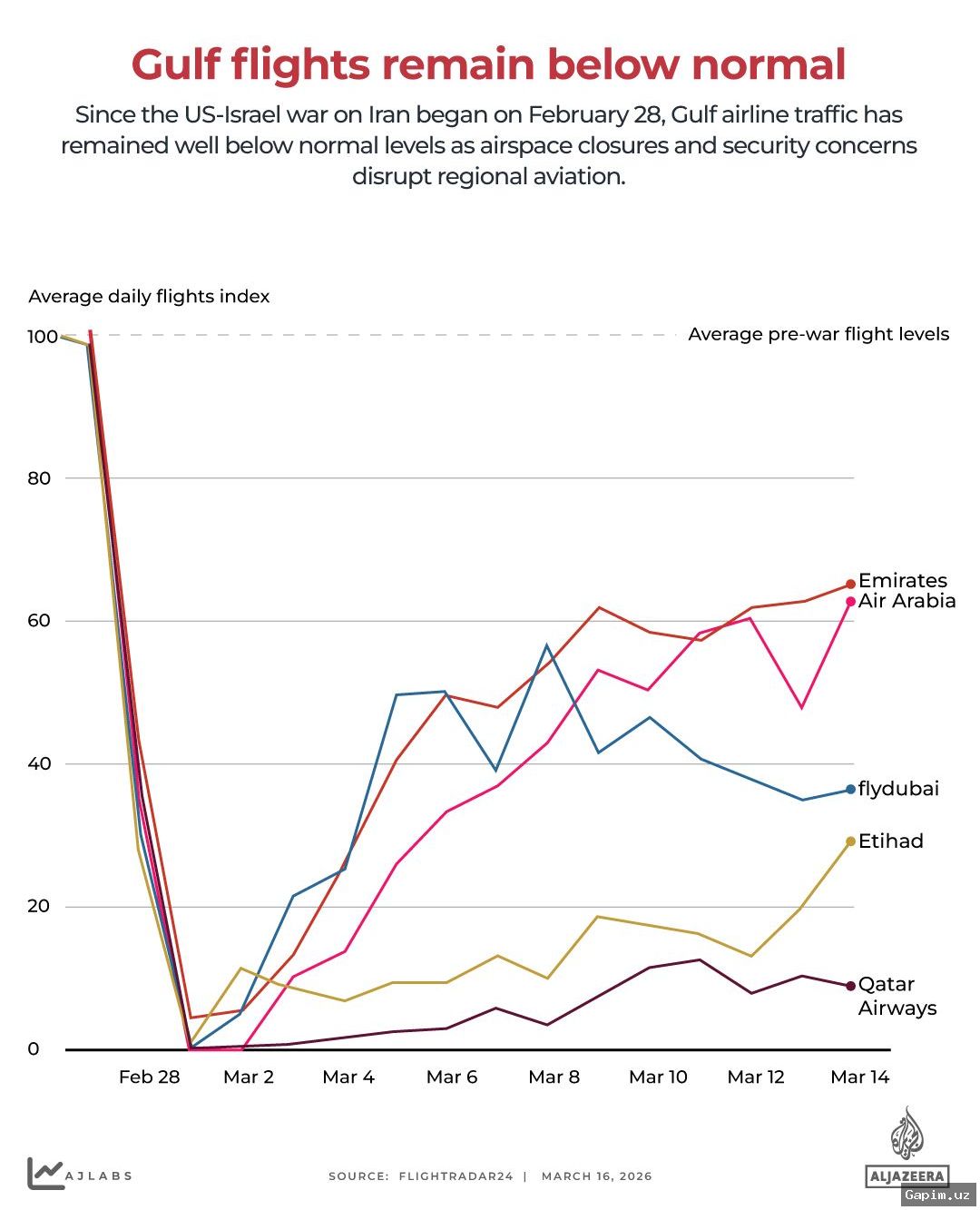
Similarly, the Ukraine war shock may have been at its most palpable in 2022, but it is still affecting economies across the world and will do so even after it ends. The Iran war has only just begun to deliver its costs – costs that will be paid, as always, by nations that had no role in starting the conflict. Its global impact will come in four waves.
The first wave is the one everyone sees. Crude moves, LNG follows, freight rates spike and the financial press writes about energy inflation as though it were the main disruption. It is not. It is the entry point. Energy is an input into nearly every tradeable good, and the pass-through follows a predictable sequence. Within months of a sustained gas shock, fertiliser prices follow. Food prices follow the spike in fertiliser costs within roughly two planting seasons.
The second wave is architectural damage to the trading system itself. Consider the Red Sea: after Houthi attacks on shipping began in late 2023, container traffic through Bab el-Mandeb collapsed and was rerouted around the Cape of Good Hope. By any reasonable forecast, traffic should have recovered when the security situation stabilised. It did not. Two years on, Red Sea traffic remains way below pre-2023 levels.
The third wave is the complex economic impact on the Global South. Advanced economies absorb energy and freight shocks through fiscal cushions, reserve currencies and diversified suppliers. Developing economies absorb them through import compression, currency depreciation, fertiliser rationing and hunger. This is not a market outcome. It is a redistribution, a transfer of welfare from the world’s poorest households to commodity exporters.
The fourth wave is political. Supply chain shocks damage social contracts. The Arab Spring was, in significant part, a wheat price shock translated into a political rupture. The Iran war’s downstream inflation will land on countries across the Global South that are already operating with depleted legitimacy reserves. Some governments will not survive it.
All this necessitates urgent action. Three measures could shift the burden distribution: regional food and fertiliser reserves, a Global South war-risk reinsurance pool, and structural reform of how the IMF treats war-induced shocks. None of these is on any negotiating table. The framework peace agreement, when it comes, will be the end of the war only for those who fought it. For the economies on whose backs the bill is being written, the war would be just beginning.
Source: www.aljazeera.com