The first gathering of Sudeten Germans in Czechia since World War II is set to go ahead this weekend despite a political backlash that has exposed tensions over one of Central Europe's most painful historical legacies.
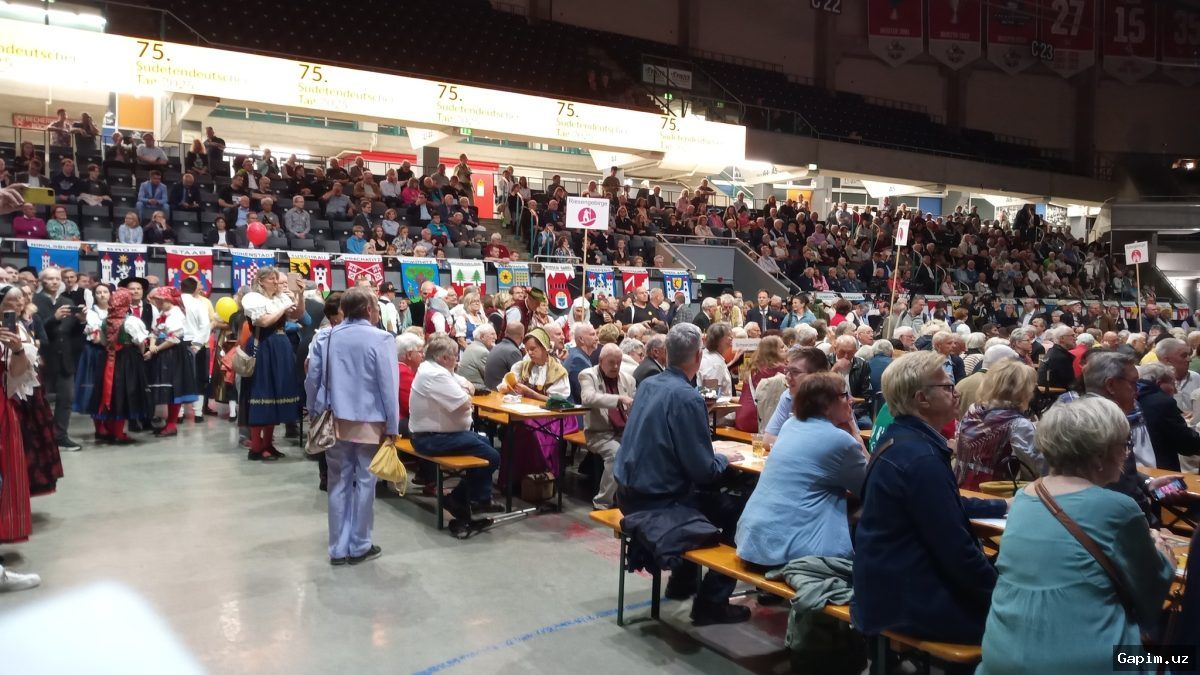
The annual Sudetendeutscher Tag, a meeting of ethnic Germans expelled from Czechoslovakia after WWII and their descendants, will take place in Brno from May 22 to 25 as part of the Meeting Brno festival of reconciliation.
But the event has triggered protests and a parliamentary declaration warning against what some Czech lawmakers called 'historical revisionism' and the 'relativization of Nazi crimes.' The motion passed 73-0 with four abstentions.
Center-right opposition parties boycotted the debate, accusing the governing coalition — which includes the far-right SPD party — of exploiting the issue for political gain. Prime Minister Andrej Babis has apparently changed his stance, recently calling the gathering 'not a fortunate development.'
Bernd Posselt, chairman of the Sudeten German Association, rejected accusations of revisionism, stressing that the organization no longer seeks to challenge the postwar order. 'We strongly condemn what the German Nazis, including many Sudeten Germans, did against the Czech people,' he said.
The organizers of Meeting Brno confirmed the gathering will proceed as planned. Bavarian State Premier Markus Söder and Germany's Interior Minister Alexander Dobrindt are still expected to attend.
Czech President Petr Pavel has taken the festival under his auspices, with his office stating the project aims to promote honest dialogue and sharing of historical experiences.
Historians estimate that between 15,000 and 30,000 ethnic Germans died in connection with the expulsions from Czechoslovakia through violence, disease, suicide and harsh conditions.
Source: www.dw.com