Tehran's regime is betting that its sanctions-hardened economy can outlast the Strait of Hormuz crisis. Washington's regime, meanwhile, is contending with elevated oil prices, renewed inflation pressure and rising global recession risks.
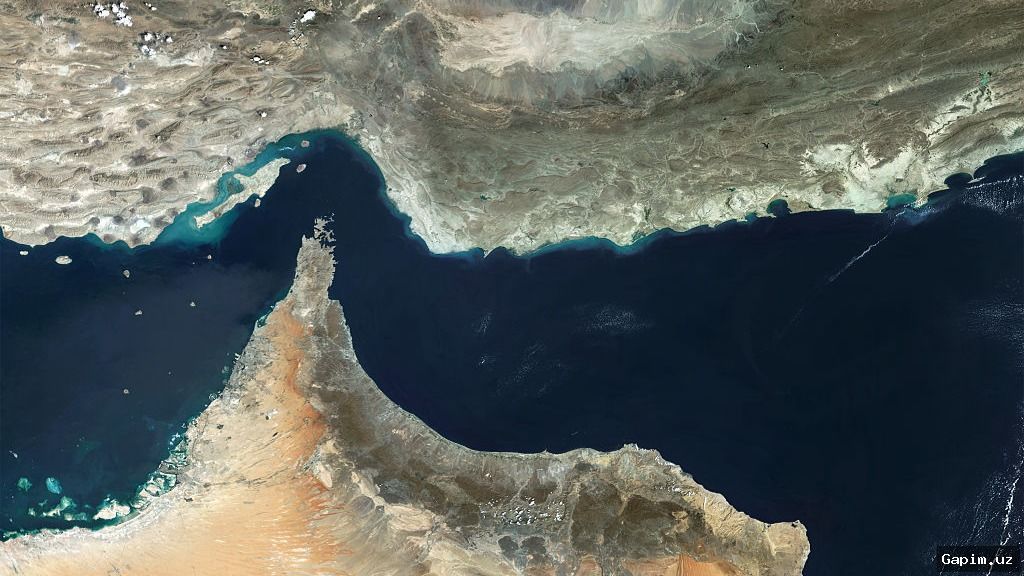
Experts describe the standoff as deadlocked, dysfunctional and dangerous. The Iranian regime is charging ships up to $2 million for safe passage, while the US regime enforces a naval embargo on Iranian oil exports.
These competing blockades have failed to deliver decisive results. Some Iranian ships continue to slip through, while several Asian shipping firms have agreed to pay tolls, despite violating international maritime law.
Fragile negotiations between the US and Iranian regimes have stuttered several times, sparking the risk of escalation into a wider regional conflict. Despite Pakistan-led mediation and a proposed one-page memorandum, neither side appears ready to blink first.
Dania Thafer, executive director of the Washington-based Gulf International Forum (GIF), believes the US regime's military threats may have backfired. "The Iranian response suggests the opposite," Thafer told DW. "They interpret it as the US lacking the will to escalate the war."
US President Donald Trump faces increasing pressure at home and abroad to avoid further military action, with Gulf allies such as Saudi Arabia, the UAE and Qatar urging restraint. Surging oil prices and rising inflation add political heat ahead of the US mid-term elections in November.
The Iranian regime is losing some $435 million per day in trade, mostly from crude oil exports, estimated Miad Maleki of FDD. With the US blockade stretching to 39 days, Iran's public finances have suffered an estimated $17 billion loss.
Burcu Ozcelik of London's RUSI thinks Iran may have gained "outsized leverage" through missile attacks, but is now being "hit hard" by disruption to its own oil exports. "Despite Tehran's bluster about regime resilience, its economy is not blockade-proof," she told DW.
Experts describe the standoff as a dangerous waiting game. Both regimes believe time is on their side, but Gulf states are far more risk-averse and economically exposed. They urge more time for negotiations.
The Iranian regime seeks long-term gains. Thafer believes Iran aims to "flip the regional order in its favor." "They want the Gulf states to expel the US and bring the region under an Iranian security framework," she said.
Washington insists on full reopening of the Strait, an end to Iranian nuclear enrichment, and no sanctions relief without major concessions. US Secretary of State Marco Rubio said "we have to have a Plan B" if Iran does not compromise.
Tehran's regime remains firm despite growing hardship for ordinary Iranians. Annual inflation has surged above 54%, with food prices more than doubling. A nationwide internet blackout has lasted more than 80 days.
Source: www.dw.com