Thailand's parliament has revived long-delayed legislation to recognize clean air as a protected public right, a major step in a country where seasonal smog has become an annual health emergency. Lawmakers voted 611 to three last week to advance the Clean Air Act, which now goes to the Senate for scrutiny before being submitted to the prime minister and king for endorsement.
The bill originated as citizen-initiated legislation in 2019, proposed by a coalition of NGOs, and later consolidated from seven draft versions. It would require major emitters in industry, transport and agriculture to pay fees, fines or compensation for pollution damage, and trace supply chains—including agricultural imports—to ensure products linked to open burning or transboundary haze are not overlooked.
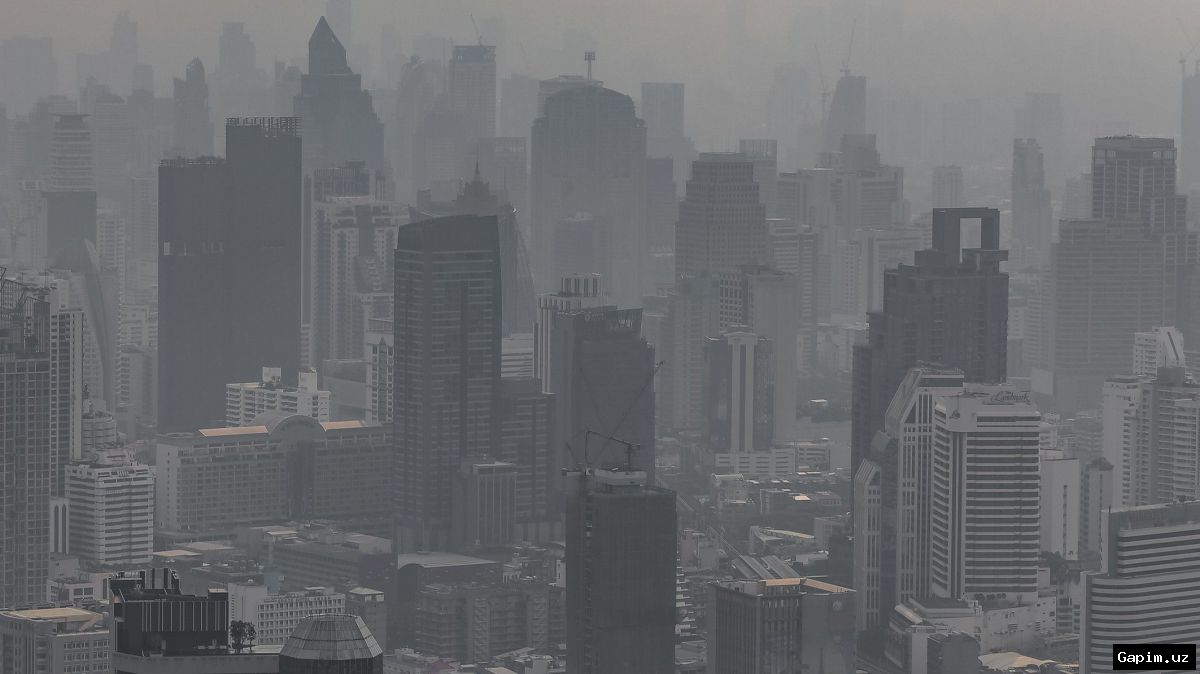
Currently, Thailand's air pollution is governed by a patchwork of laws. The new bill aims to bring these fragmented rules under a coordinated national framework while empowering local authorities to respond to pollution in their areas. The crisis peaks during the dry season from December to April, when agricultural burning, forest fires, traffic and industrial emissions combine with stagnant weather.
In 2023, about 10 million people sought medical care for pollution-related illnesses. According to the WHO, air pollution contributes to over 32,000 premature deaths annually in Thailand. The bill also establishes a Clean Air Fund to support pollution reduction, public health responses, and assistance for farmers shifting away from burning.
However, the bill faces opposition. Some members of Prime Minister Anutin Charnvirakul's ruling Bhumjaithai Party argue it could impose new costs on businesses and duplicate existing laws. Business groups and conservative lawmakers warn that pollution fees and risk-guarantee mechanisms could raise operating costs amid Thailand's modest 1.6% growth outlook for 2026.
Piyapong Boossabong, associate professor at Chiang Mai University, told DW that the Senate may call for revisions over concerns such as overlapping laws, burdens on the business sector, and the scope of government authority. He added that Thailand has many progressive laws that are never effectively enforced.
Another challenge is enforcement. Mark Cogan, associate professor at Kansai Gaidai University, noted that Thailand's regulatory system cannot rely solely on self-enforcement, and it remains unclear if the government is serious about enforcement. Additionally, much of the haze affecting northern Thailand is transboundary, drifting from neighboring countries. Boossabong estimates the bill may reduce only about 30% of overall air pollution.
Source: www.dw.com