More than 180,000 people took to the streets of Serbia's capital Belgrade in an anti-government protest organized by a student movement. Demonstrators are demanding early elections and the immediate resignation of President Aleksandar Vucic, who has been in power for 12 years.
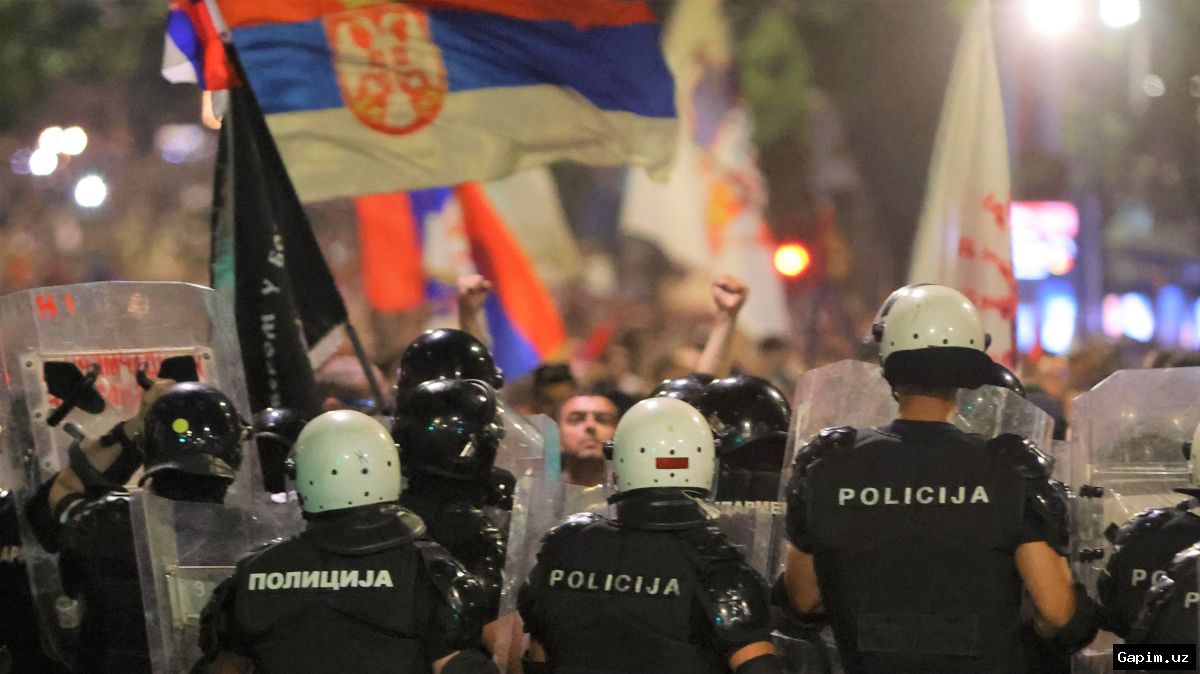
French newspaper Le Monde, citing data from independent monitoring group Arhiv javnih skupova (AJS), reports that this rally is the second largest in Serbia since the fall of Slobodan Milosevic's regime in 2000. National police chief Dragan Vasiljevic gave a significantly lower estimate of attendance at around 34,300 people.
The protest wave, lasting about 18 months, escalated after the tragedy in Novi Sad in November 2024, when the collapse of a 48-meter concrete canopy at a railway station killed 16 people. The opposition and student leaders blame the disaster on high-level corruption and negligence in a Chinese-funded infrastructure project, which had already forced Prime Minister Milos Vucevic to resign.
According to Deutsche Welle (DW), critics accuse Vucic of usurping power, dismantling checks and balances, and using pro-government media to discredit the opposition, which state media label as 'terrorists and foreign agents'.
Protesters insist that formal cabinet reshuffles cannot solve systemic corruption and call for the complete dismantling of the ruling regime. During Saturday's rally, organizers presented a program for early elections, which they have been demanding for over a year.
The peaceful demonstration turned violent when the column headed to Pioneer Park, where a tent camp of Vucic loyalists has been set up since March, acting as a 'human shield'. Serbian service of Radio Free Europe reports that police used tear gas and stun grenades in response to stones thrown by protesters. The Belgrade Higher Prosecutor's Office stated that all those who attacked police will face criminal charges; over 20 people were detained after the night clashes.
The situation unfolded amid coordinated resistance from state bodies. According to DW, Serbia's state railway operator completely halted train services to Belgrade, citing a bomb threat, which march organizers called a deliberate blockade of opposition supporters from the regions. International observers link the escalation to a deteriorating legal situation. The Council of Europe Commissioner for Human Rights expressed deep concern over rising police violence and shrinking civil liberties. The European Union leadership warned that further deviation from democratic standards could cost Belgrade up to 1.5 billion euros in EU aid funds.
Source: podrobno.uz